Hi folks!
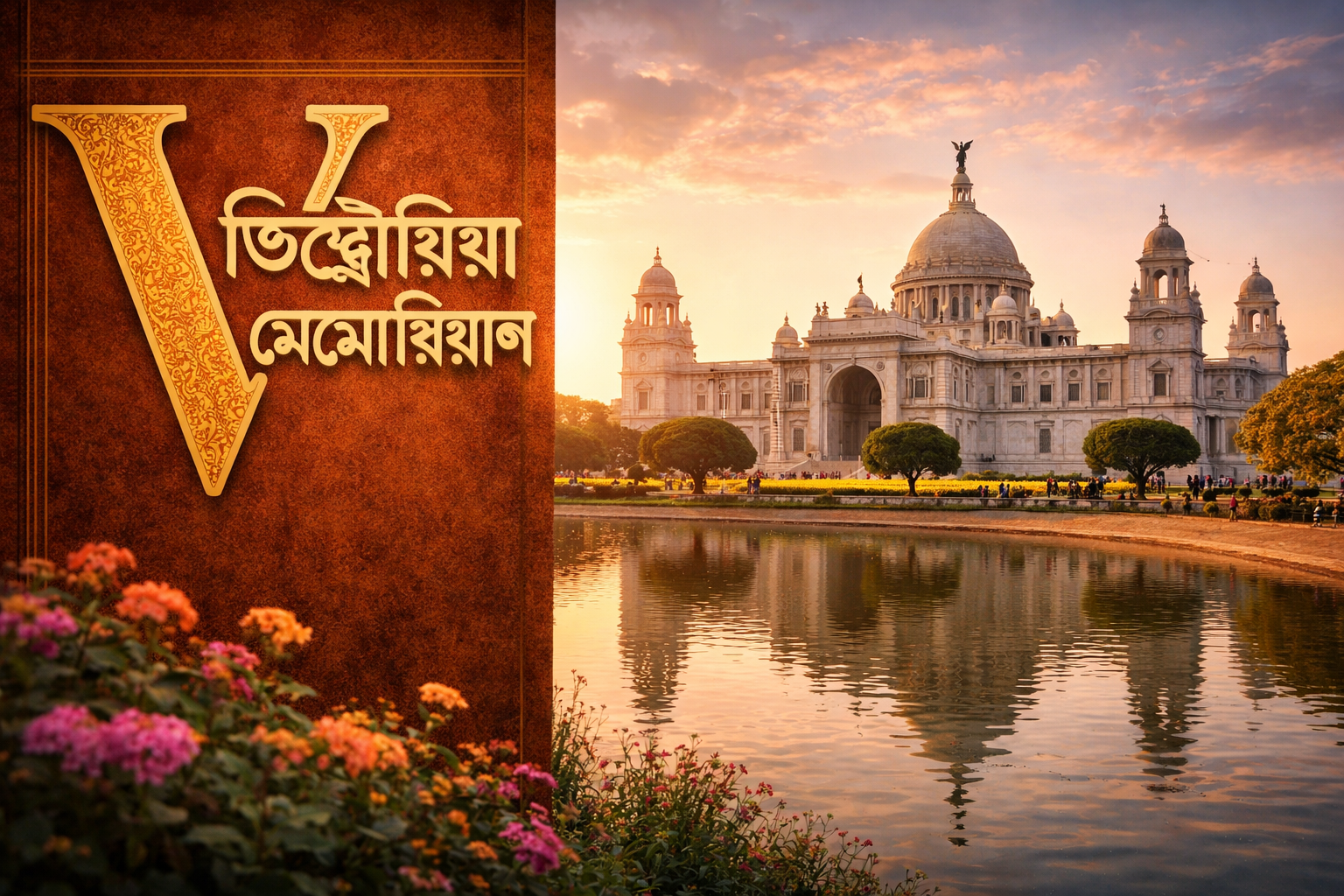
Delhi has the Qutb Minar, Mumbai has the Gateway of India, Agra has the Taj Mahal. Iconic edifices that define the skyline of a city. For Kolkata, that skyline defining building is the Victoria Memorial. Built between 1906 and 1921 to commemorate Queen Victoria, it is the largest monument dedicated to a monarch anywhere in the world. Sitting in the Maidan, it includes large gardens and a museum. It is not only the most recognisable monument of Kolkata but also a very popular hangout spot for the local population.
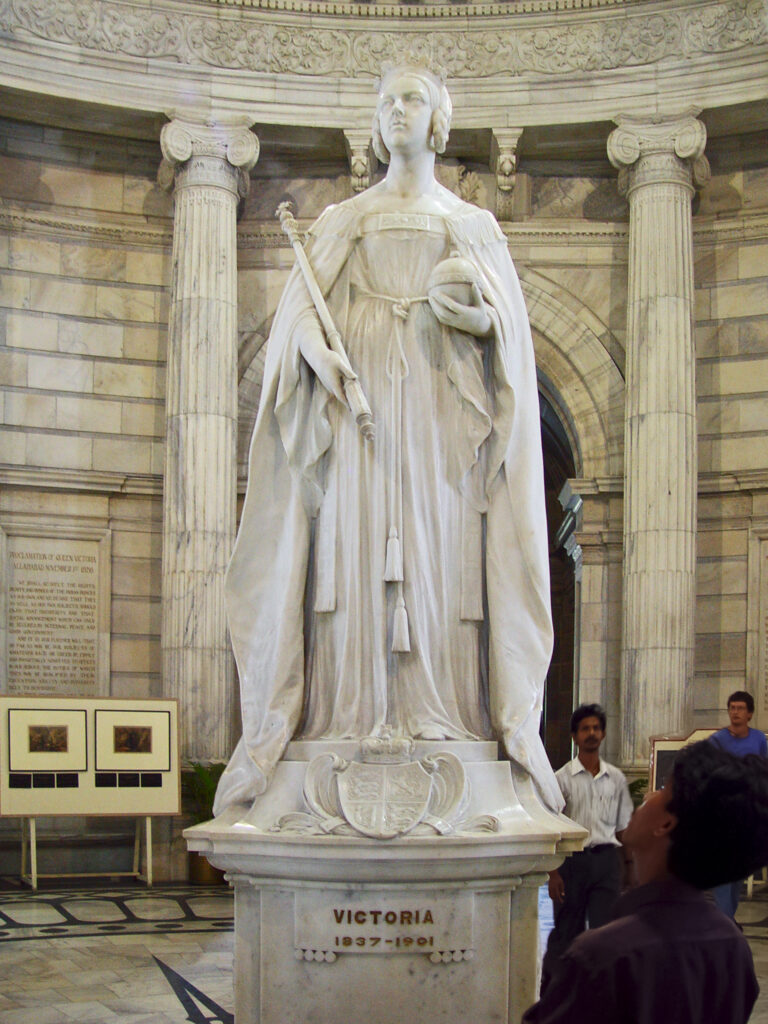
The plan for this monument was conceived by Lord Curzon, the then-viceroy, before the Queen’s passing in January. However, it was only after her death that he presented his plans to the British government as it provided him with an appropriate occasion for the monument. He appealed to government officials, princes, politicians, and common people for funds. His appeal was met with generous donations, which were enough to meet the construction cost of 1 crore 5 lakh rupees.
However, there were some teething troubles, including Curzon’s departure from India. Finally, the Prince of Wales laid the foundation stone in 1906, and work began in 1910. At the time, Calcutta was the capital of British India, so the enthusiasm for such a structure can be easily understood. Although in 1911 the capital moved to New Delhi, the construction of the Victoria Memorial was duly completed, and it was inaugurated in December 1921.
The Victoria Memorial was built to outshine the Taj Mahal and is often called the “Taj of the Raj”. Since this was part of Curzon’s agenda, the monument has many things in common with the Taj Mahal. First, the use of White Makrana Marble, which is the same material the Taj Mahal is built of. Its design, too, echoes the Taj Mahal with its central dome, four subsidiaries, octagonal domed chhatris, domed corner towers, etc.
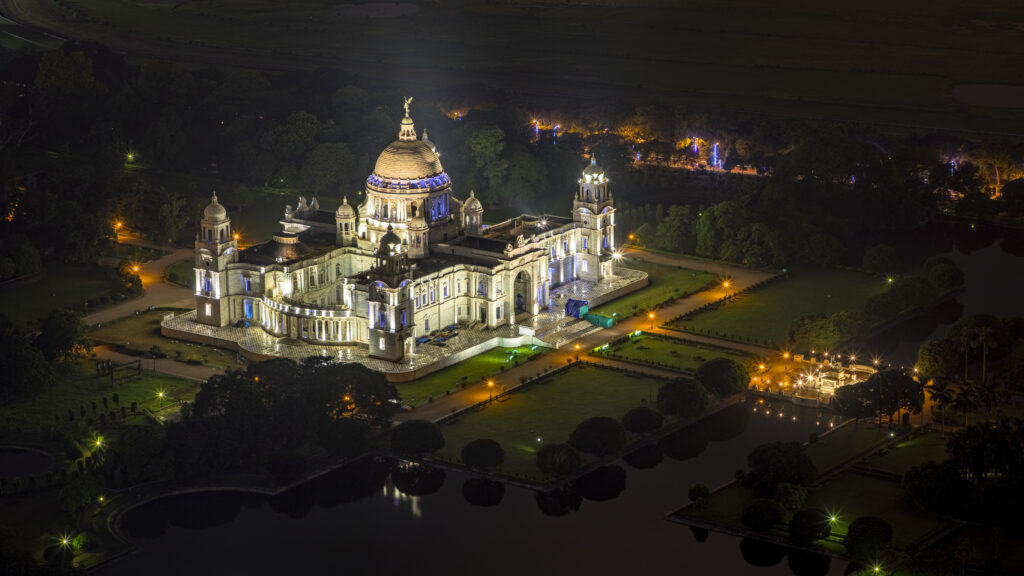
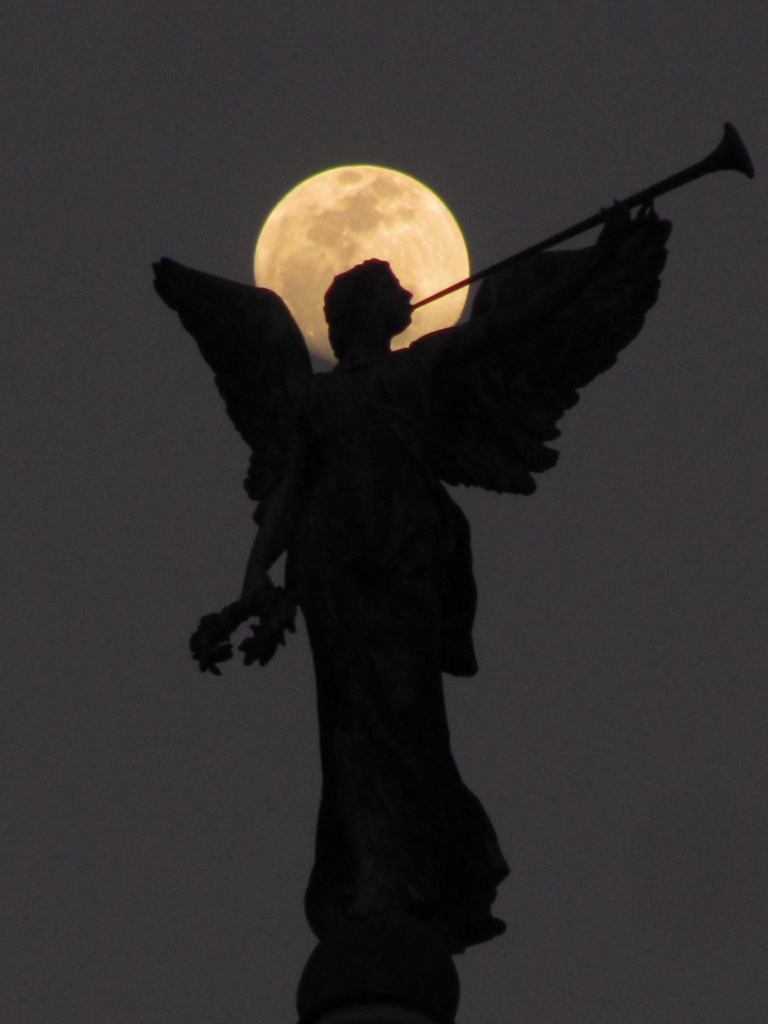
The central chamber was deliberately constructed to be slightly larger than the Taj Mahal. The style itself is called Indo-Saracenic, which is a mixture of British and Mughal elements with Venetian, Egyptian, and Deccani architectural elements. On top of the central dome stands the Angel of Victory, a large bronze cast statue that rotates with the wind.
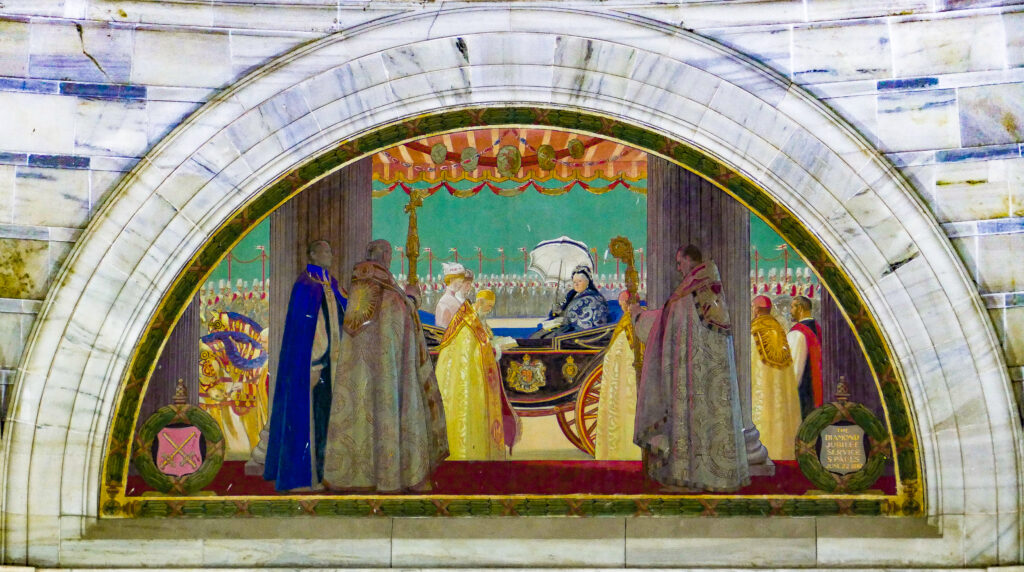
The Victoria Memorial has 25 galleries. Some of the more prominent ones include the Victoria Gallery, the Portrait Gallery, the Sculpture Gallery, the Central Hall, and the Kolkata Gallery. The Victoria Gallery contains several portraits of Queen Victoria and Prince Albert along with paintings about their lives. Some of these paintings are originals, while some are copies whose originals are in England. The Gallery also displays original furniture used by Queen Victoria.
The Kolkata Gallery was conceptualised in the 1970s to highlight the history of the city. It finally came into existence in 1992. It houses many wonderful oil paintings and colonial artefacts capturing the city’s history. It also has a life-size diorama of the Chitpur Road in the late 1800s. Another unique artefact here is the original deed signed between the Sabarna Roychoudhury family and Job Charnock selling him the three villages of Gobindapur, Sutanuti, and Kalikata. This fact was kindly brought to my notice by a commenter on my post about the origin and etymology of the city, for which I’m most grateful!
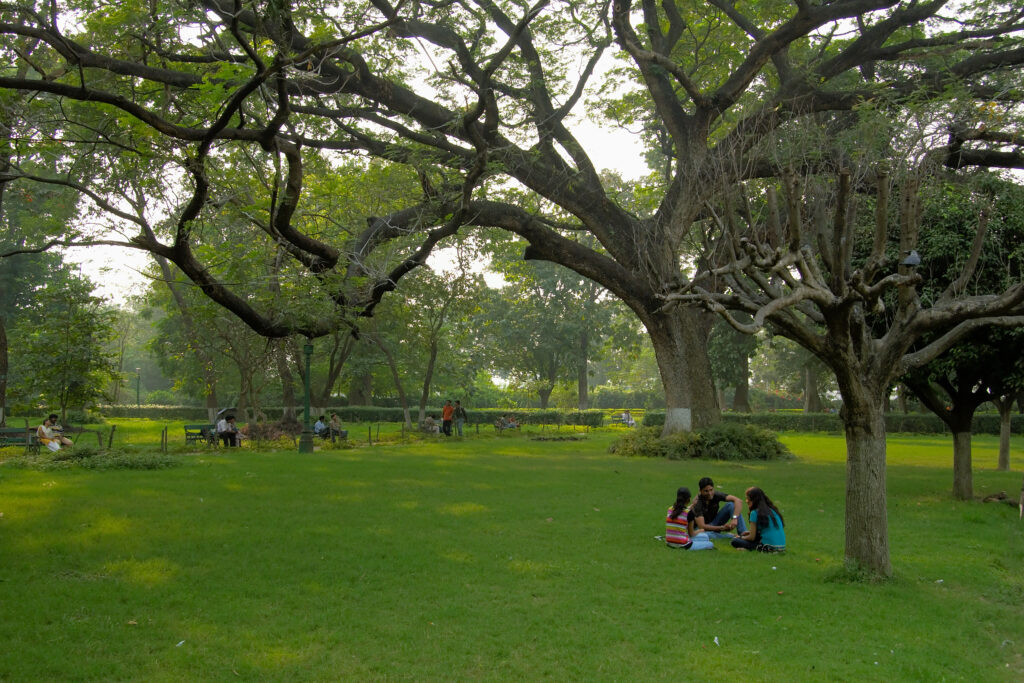
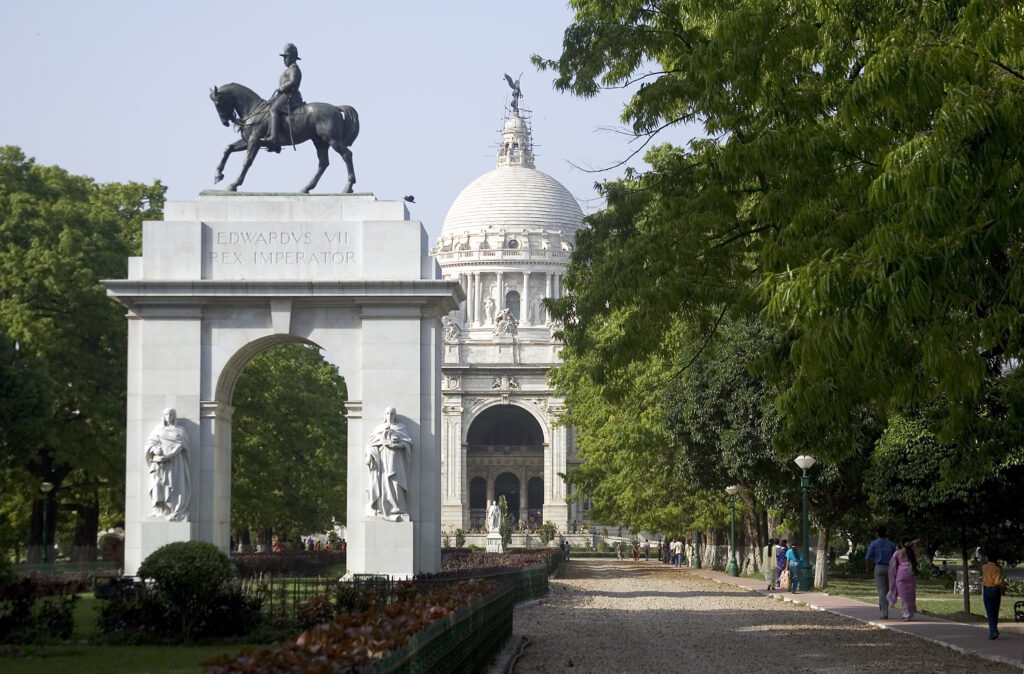
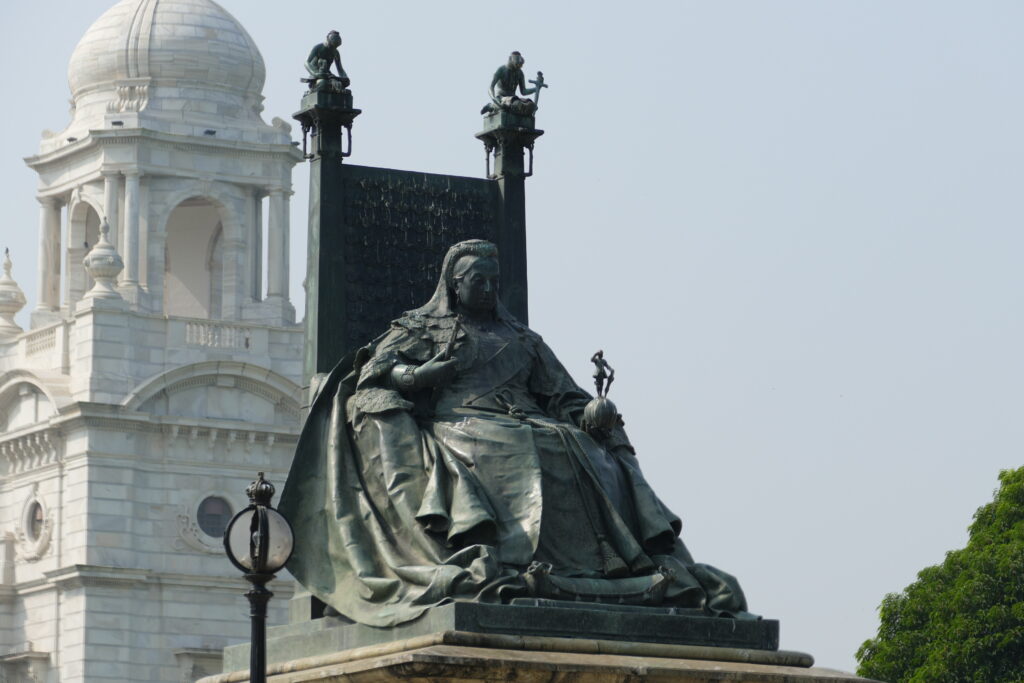
The gardens of the Victoria Memorial occupy an area of 64 acres and are replete with reflecting pools that capture the beautiful marble’s image, artistic bridges, statues of Queen Victoria and many other dignitaries, paved quadrangles, lush lawns, and majestic trees. Maintained by 21 gardeners, the gardens of the Victoria Memorial are an oasis of bliss and greenery in the middle of the hustle and bustle of the city.
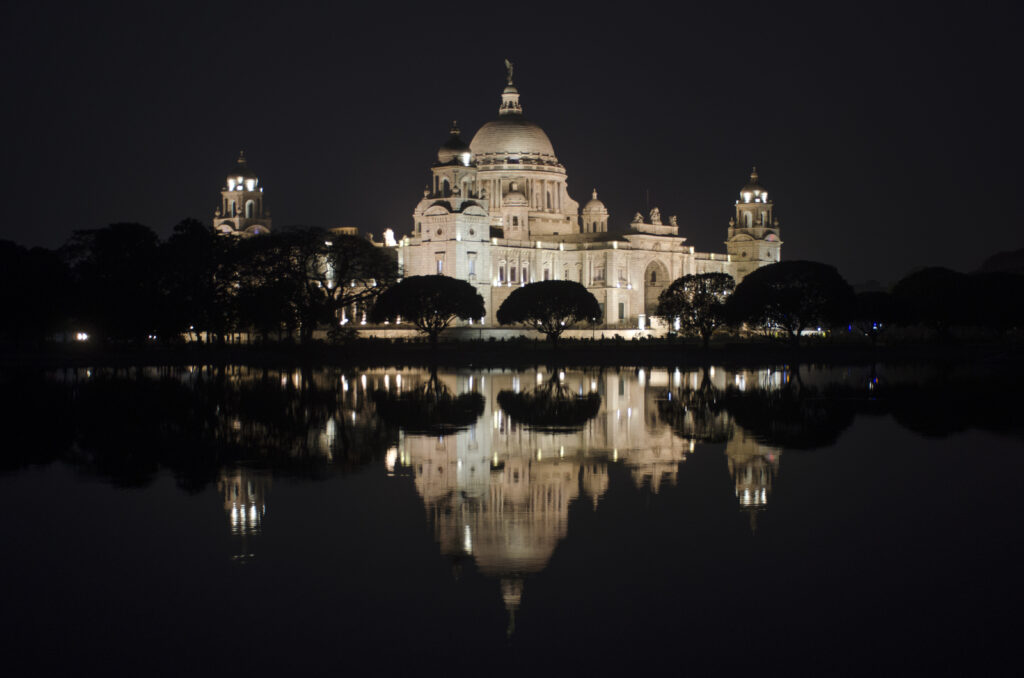
Families picnic on the lawns, couples try to find a moment of quiet togetherness, groups of friends dive into the passion of Adda on its premises (see my post about Adda), and fitness enthusiasts run, jog, or perform yoga in these gardens. In the evenings, the Eastern Garden also becomes the venue for a remarkable Light and Sound show, which uses the Memorial itself as a backdrop to tell the story of Kolkata.
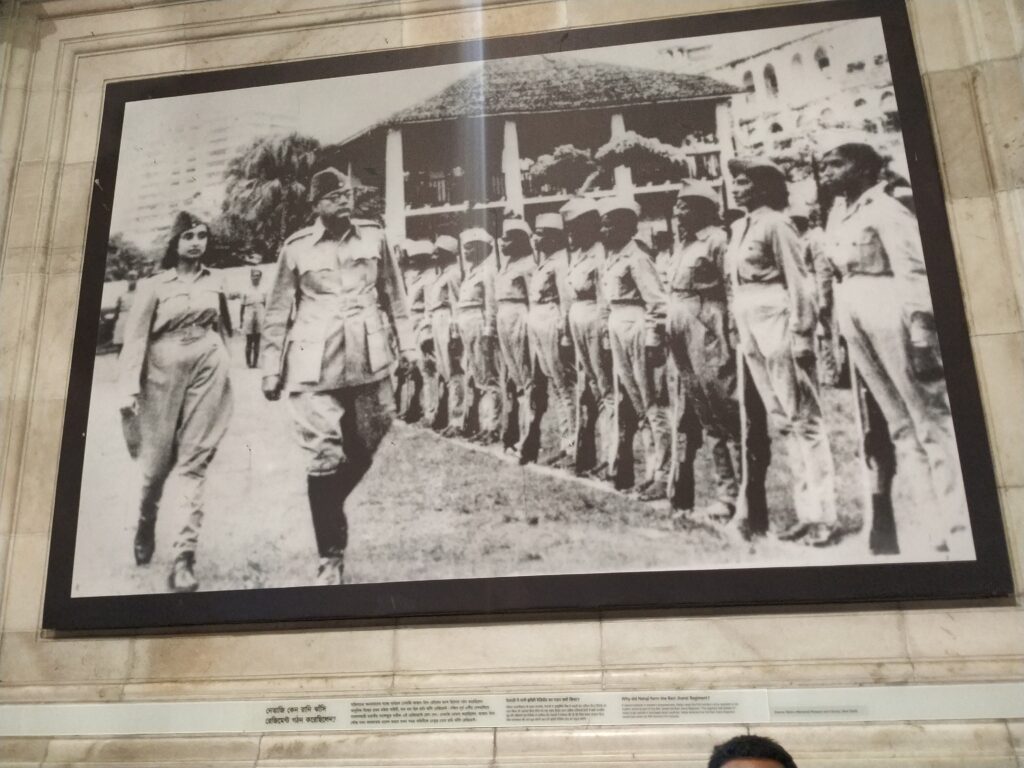
Though the Victoria Memorial was built as a tribute to British colonialists’ belief in their supremacy and right to rule over India, today it stands as one of the most striking and beautiful works of architecture in India. Not only have changes been made to the Memorial and its galleries since independence, but the Light and Sound show also clearly criticises British colonial rule in India while narrating the history of the city. The locals of Kolkata have embraced this monument as their very own, making it as much a part of their cultural identity as Kalighat temple!
#AtoZChallenge
#BlogchatterA2Z
#Kolkata
#cityofkaali
#victoriamemorial
This post is a part of Blogchatter A2Z Challenge 2026

Leave a Reply