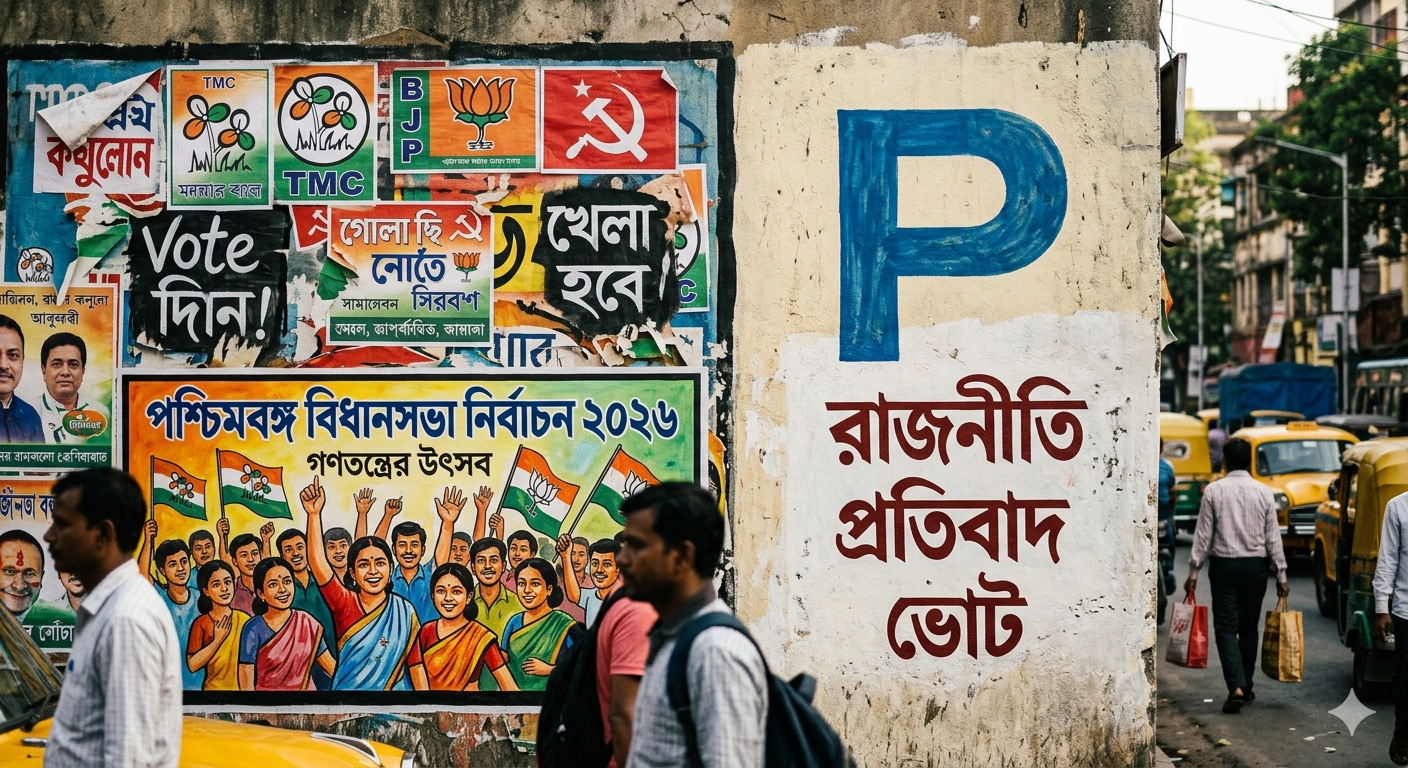
Author: Writa Bhattacharjee

  • P is for Politics, Protests, and Polls

    P is for Politics, Protests, and Polls

    Hi folks!

    I have a small confession to make. This post was originally supposed to be about something else. But hearing my father proudly talk about the 92% polling in the ongoing Bengal elections, I just couldn’t resist taking up this topic instead. Fair warning, though. If you are looking for astute political analysis, this is not the right post for you.

    Talking of elections, there’s a popular one that’s been around a good long while. A young man runs into a polling centre, panting, and asks the official, “Has Shrimati Lakshmi Devi already cast her vote?” The official checks his records and replies, “Yes, just five minutes ago.” The youth wails, “Oh no! I missed her this time too!” Concerned, the official asks him what the matter is. The young man explains, “She is my late grandmother. Ever since passing away a decade ago, she has been turning up to vote in every election—corporation, state, general. Every time, I miss her, and this time too I was too unfortunate to arrive in time to meet her one more time!”

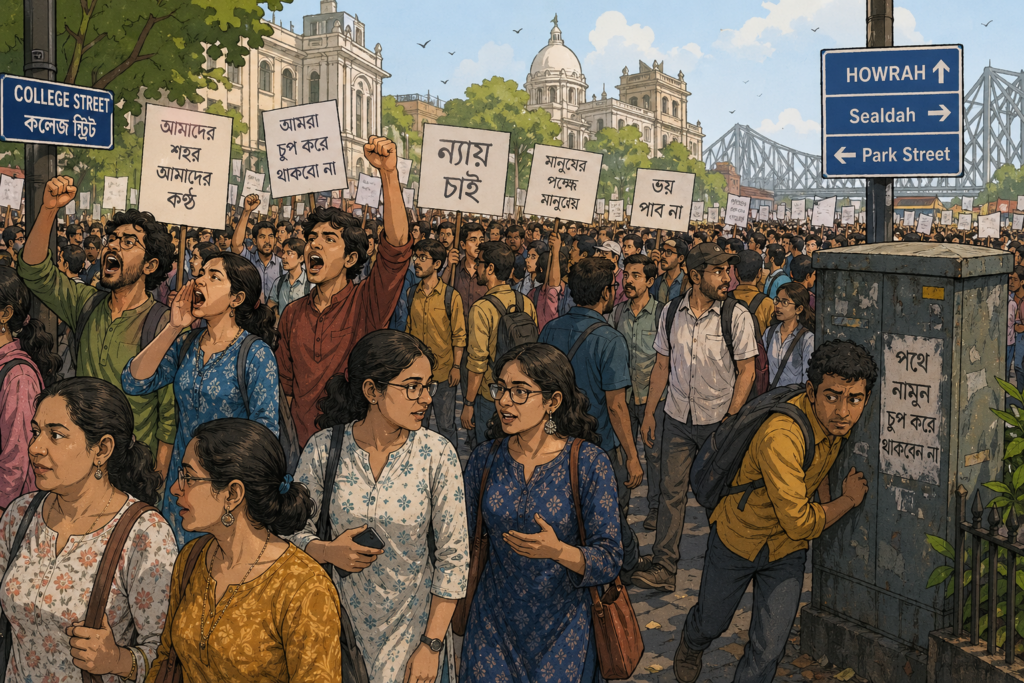
    I’m told that this kind of situation no longer happens thanks to the vigilance of the forces deployed during elections in Kolkata and elsewhere. However, that doesn’t mean that the usual shenanigans were missing this time around. In fact, new trends have been doing the rounds this election season, and I’ll come to those in a bit. Before that, I want to talk about a lesser-known epithet of Kolkata. All of you must have heard of the epithet City of Joy. Another well-known epithet is City of Palaces. But how many of you have heard of the epithet “Michhiler Shahar”, i.e., City of Protests?
    Created with CHatGPT

    Even Google can’t tell you how many protests take place in Kolkata annually. It will sheepishly declare that the number is uncountable as protests range from local neighbourhood agitations to citywide protests that inevitably and inexorably centre on the Maidan (about which I have mentioned in my post on Esplanade). The causes of the protests can be anything from lack of teachers to hiring of teachers, lack of industry to establishment of industry, the sitting government to protests against the sitting government.

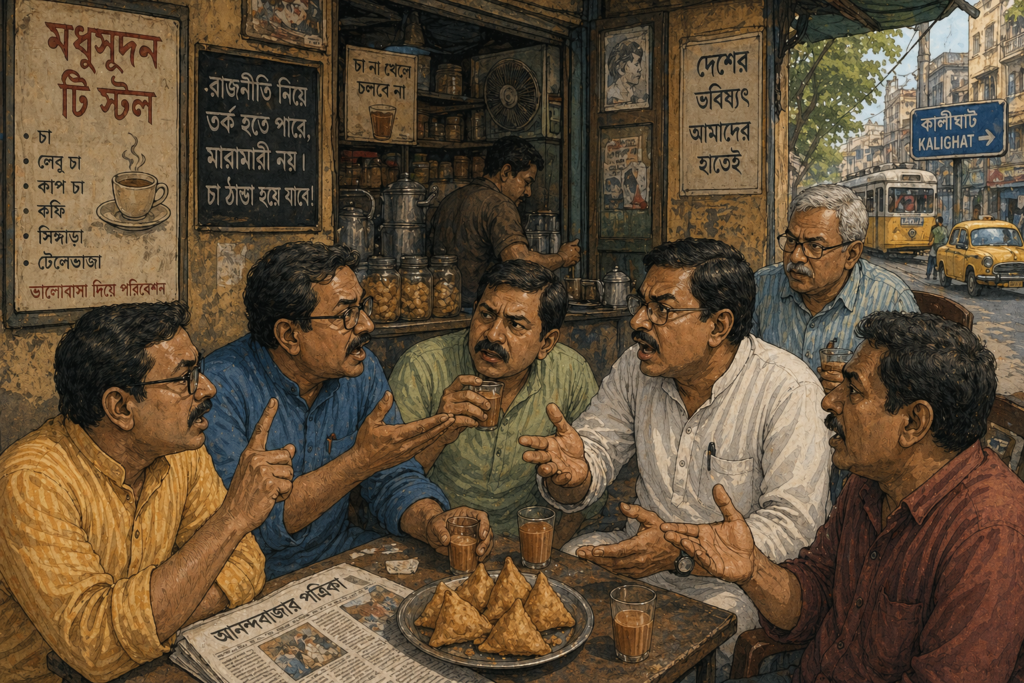
    Protests are the lifeblood of Kolkata’s work culture, providing an untaxable source of income to some and an excuse for reaching late to work for others. They are also a great training ground for students, who learn to participate actively in the country’s democratic process, and also manage to secure an undeniable excuse for poor attendance in classes. It is said that if three Bengalis gather, two of them are planning a protest, while the third is looking for tea!

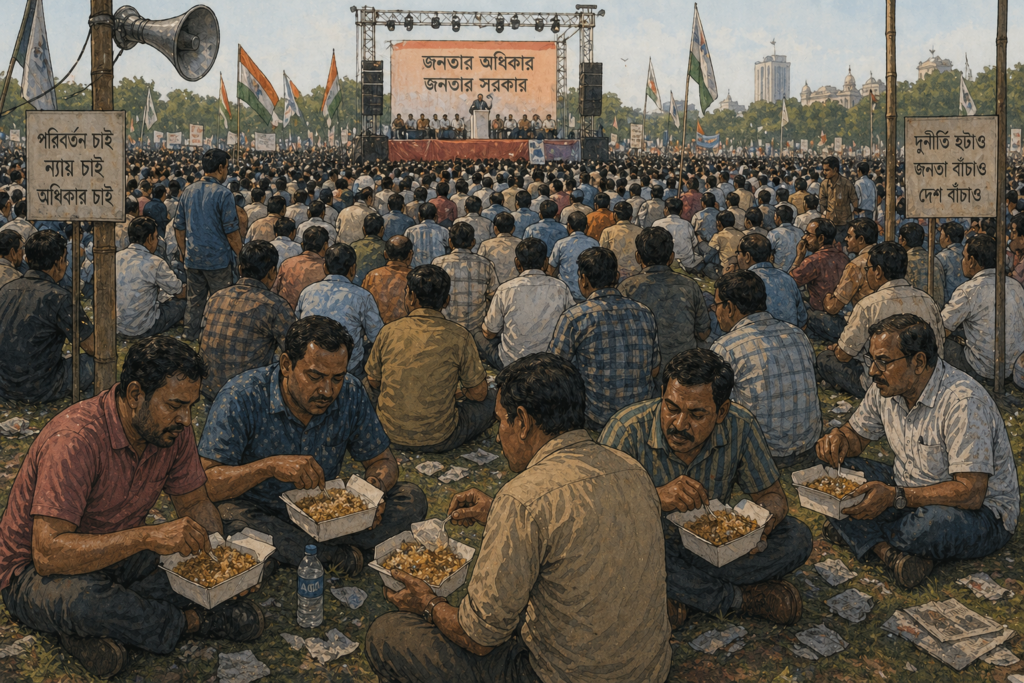
    While there is no doubt that among the attendees, many are genuinely involved in demanding change, some just turn up because their friends are going or because they find their calendars strangely empty of any other engagement. In fact, anyone wishing to do a study on human motivation for psychological or sociological purposes need only talk to a few of the attendees of a Michhil to obtain a fairly wide range of data points! Some, of course, are there simply to bide the time until the fateful packet of Biryani arrives at the end.
    Createdwith ChatGPT

    Anyone spending any length of time in Kolkata will have their own Michhil stories, good and bad. My husband, who grew up in the city, talks about a time when he and his fellow students were co-opted by the student wing of a political party to join in a rally. Not being particularly enthusiastic about it, a handful of them joined the queue of students right at the back. And while the student leaders were leading the line towards the main rally, these few lads slipped away, jumped the college walls and escaped! Not that they were alone in conceiving such a brilliant strategy to shirk their involuntary political participation; evidently, by the time the queue reached its destination, it was significantly shorter than it had been at the beginning.

    Being Bengali means being political and has for generations. We are an opinionated people, and nowhere do those opinions get aired more than at gatherings where politics is discussed. Friendships get built and broken, lifelong grudges get formed, and even seeds of divorce are sown in these discussions where everyone from the Head of the Para Pujo Committee to the fishmonger in the local market has an opinion and isn’t afraid to express it. Whether the opinion is logical, fact-based, and valid is moot. What matters is that it is passionately held and even more passionately expressed.

    The recent elections have seen lakhs of such discussions in every house, market, and street corner of Kolkata alongside slinging of slogans and accusations of every hue and shade. Street corner tea stalls have rivalled news channels for political commentary and debate, with neighbourhood Kakus and Kakimas holding forth on their arguments with as much passion and as little foundation as experts on TV. The atmosphere has reached the fever pitch of a World Cup where Brazil has reached the semis. Local gatherings have turned akin to Durga Puja Committee meetings, minus the impending puja, but with the same level of shouting, snacking, and tea!
    Created with ChatGPT

    In the political arena, the parties and politicians have been making moves to put GoT’s most cunning strategists to shame. Rallies with a level of drama that Shakespeare would have drawn inspiration from have kept the lives of the denizens of Kolkata entertained. From TMC candidate Partha Hazari suddenly deciding to make chapatis in a local’s kitchen to Prime Minister Narendra Modi stopping his convoy in Jhargram to eat Jhalmuri to CPI-M “resurrecting” late CM Buddhadeb Bhattacharjee via AI for video appeals, our political leaders have kept the populace thoroughly amused.

    Not to be left behind, the Election Commission has contributed its fair share of hilariousness. At one point, it banned all motorbikes to prevent “miscreants” from getting around, only to realise that it had brought the entire city’s home delivery infrastructure to a halt, to say nothing of numerous commuters. The ban was withdrawn shortly after coming into effect. And in an ultimate example of irony, 65 poll officials found their names struck off the very voting lists they were supposed to manage. All in all, it has been a pretty diverting lead-up to the polls this year!

    The slogan game has also reached new heights, almost reaching meme-like immortality, with city walls serving as the canvas of artistic (and literary) mud-slinging and sloganeering. From hijacking Tagore’s poem “Kumor Parar Gorur Gadi” to caricaturing national leaders to depiction of “flying slippers” in full attack mode to “capture” of walls with fervour to rival armies capturing and recapturing territories during World War II, this election has seen it all. Slogans like “Jotoi karo hamla, abar jitbe Bangla” (no matter how much you attack, Bengal will win again), “Banchte chai, BJP tai” (to survive, we need BJP), “Paltano darkar, chai BJP sarkar” (change is needed, we want a BJP government), and “Bodol noy, badla chai” (We want revenge, not change) have gone viral.
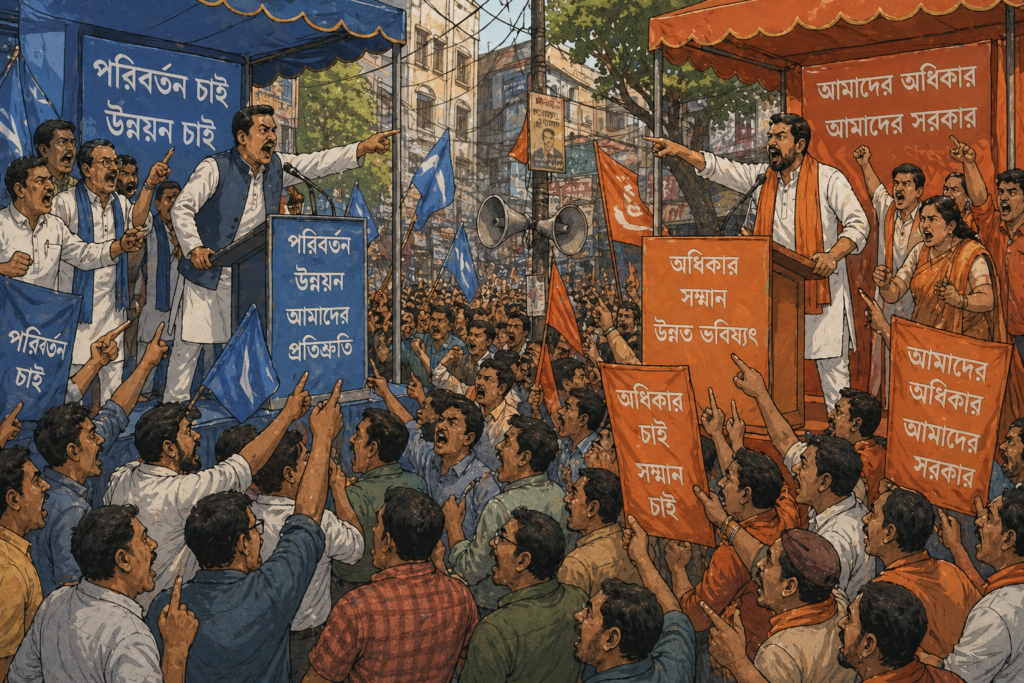
    Created with ChatGPT

    On a slightly serious note (only slightly), the fact that such a massive number of people have turned up to vote is truly heartening. Whereas most states struggle to get people to the polling booths, using tactics ranging from distributing cups of tea or coffee to hiring buses and trucks to ferry people, Kolkata’s voters have shown a steely determination to let nothing get in their way of exercising their democratic right. As I have mentioned multiple times before, in City of Kaali, I steer clear of “real” politics deliberately. Politics in West Bengal has been—and will likely continue to be—far too complicated to do justice to within the boundaries of that work. However, if I were to ever include anything about politics in it—real or otherwise—you can be certain that it will be in the same vein as I have done in this post.

    #AtoZChallenge

    #BlogchatterA2Z

    #Kolkata

    #cityofkaali

    #elections2026

    This post is a part of Blogchatter A2Z Challenge 2026

  • O is for Old Houses of Kolkata

    O is for Old Houses of Kolkata

    Hi folks!

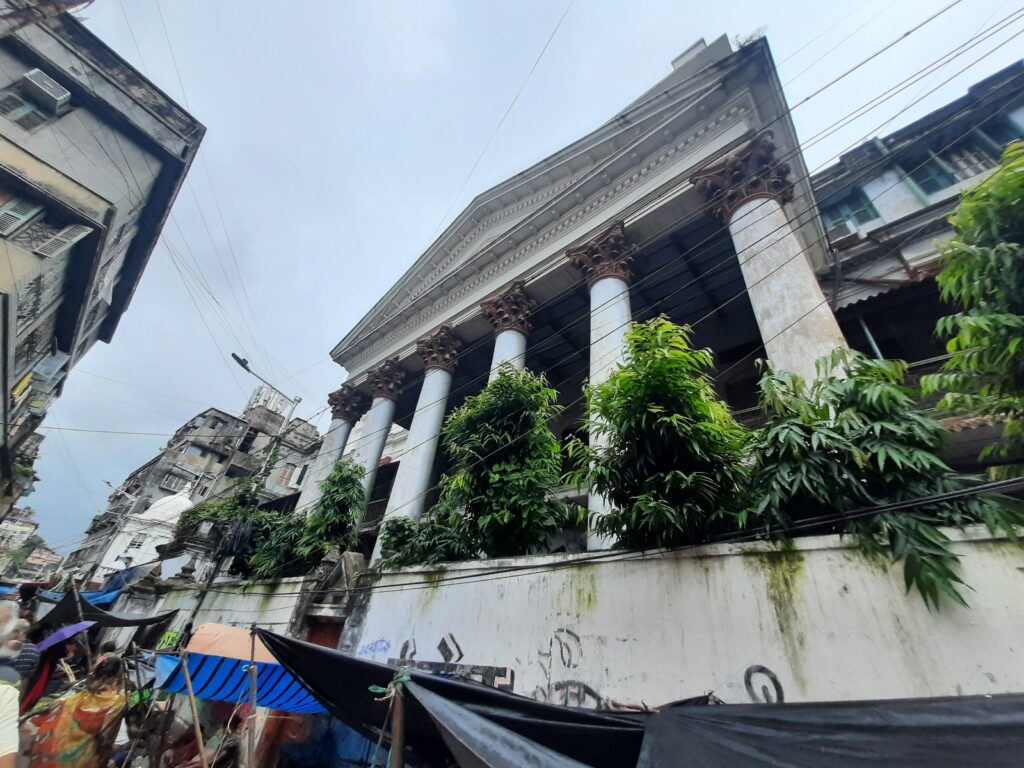
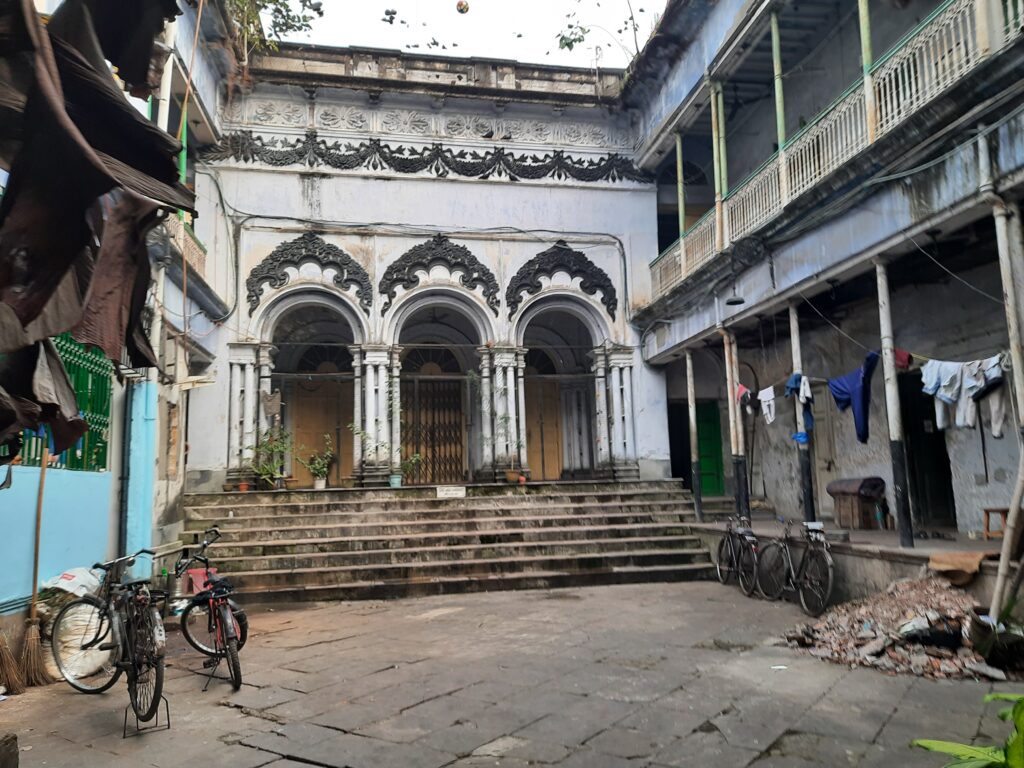
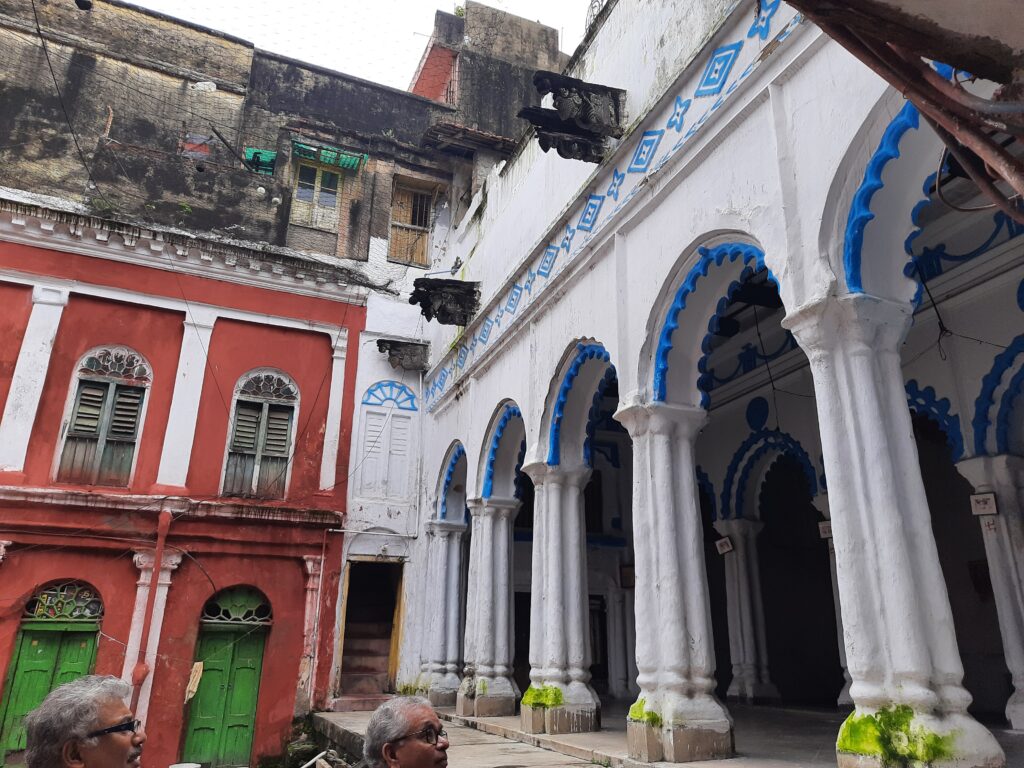
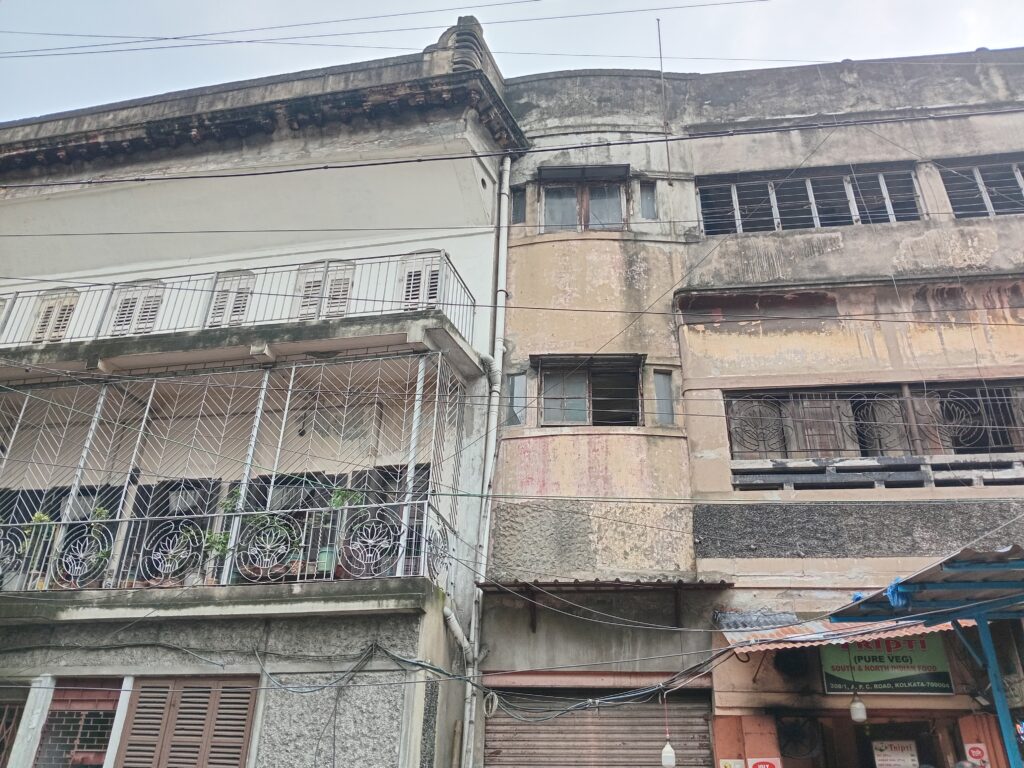
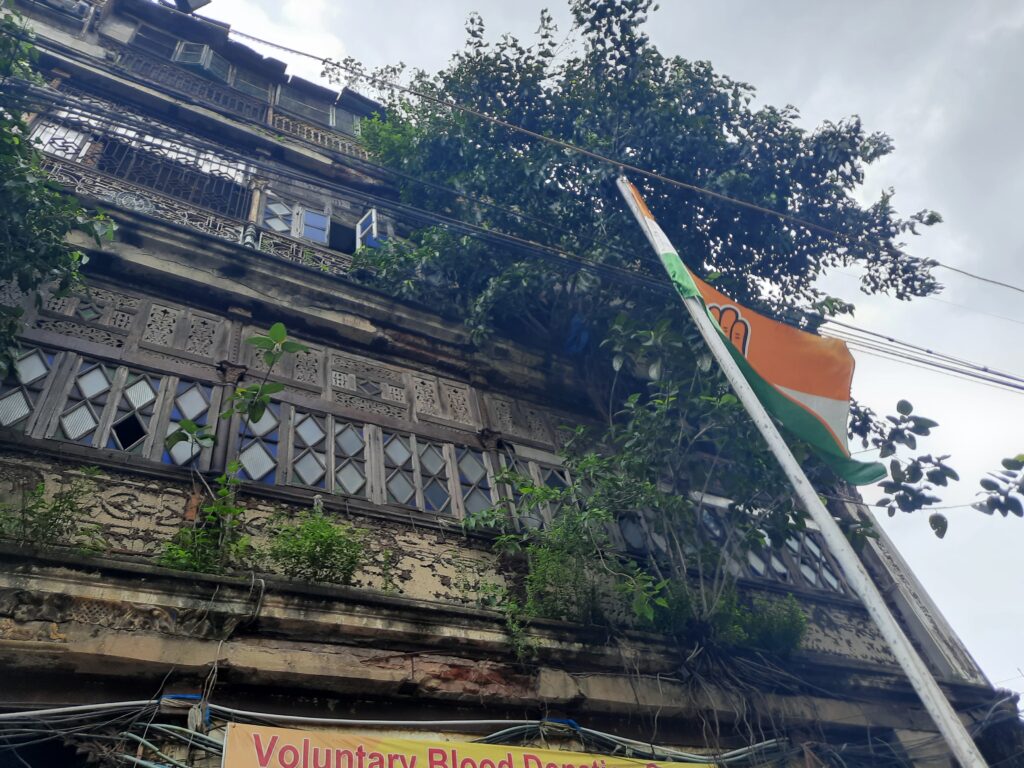
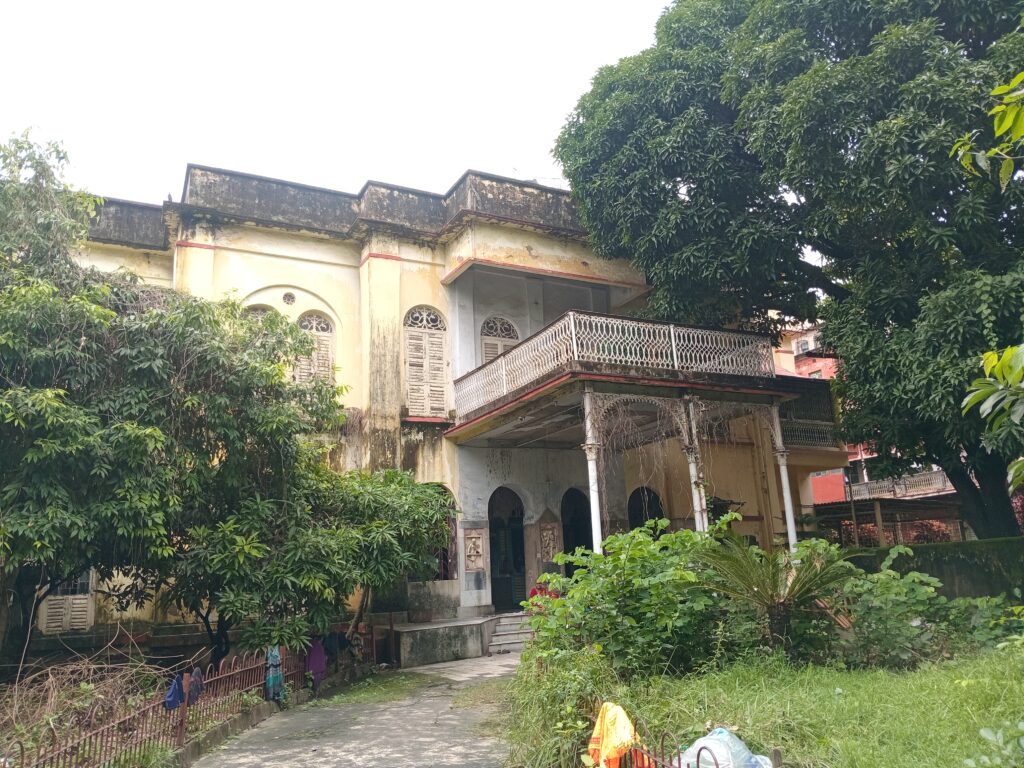
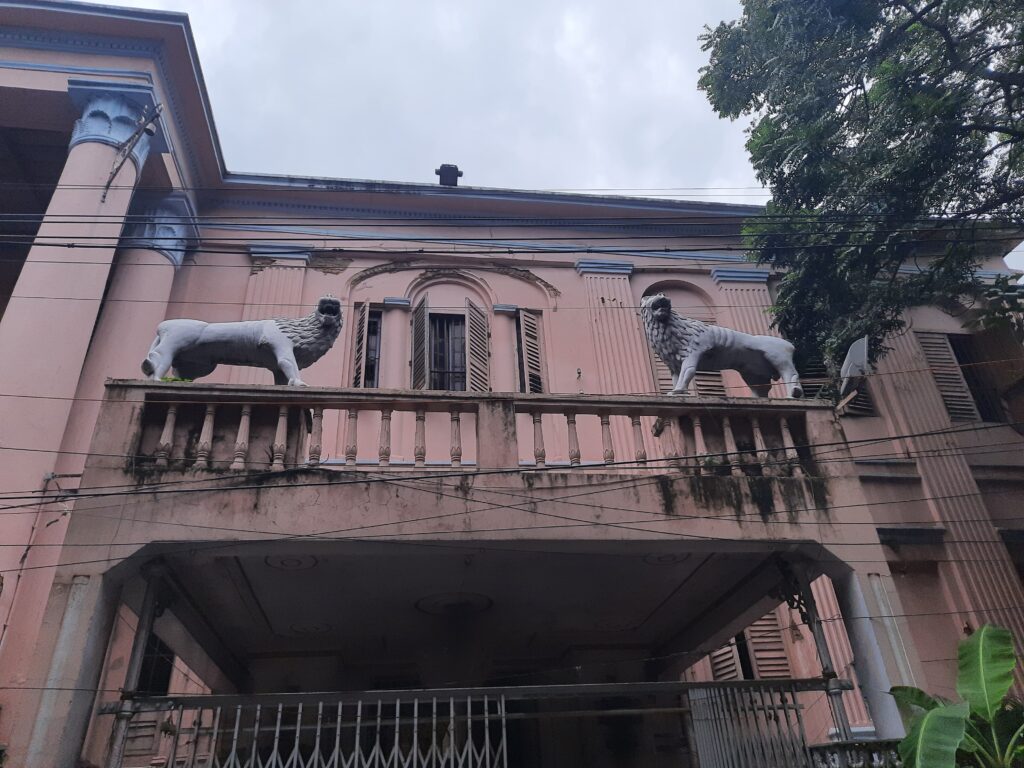
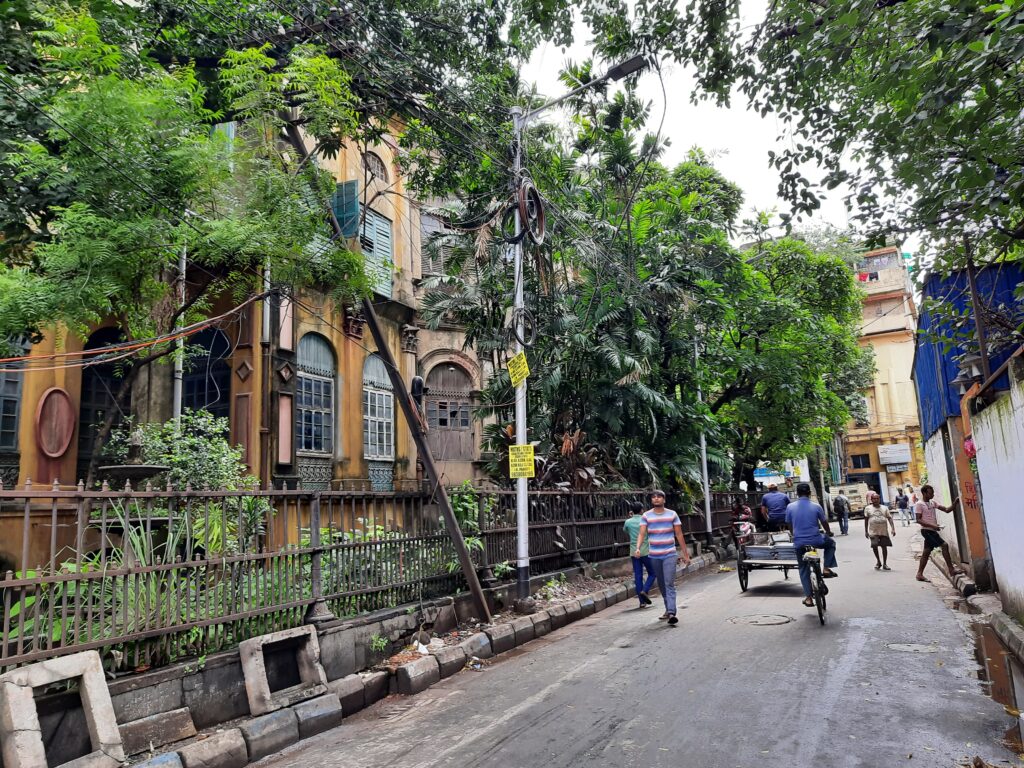
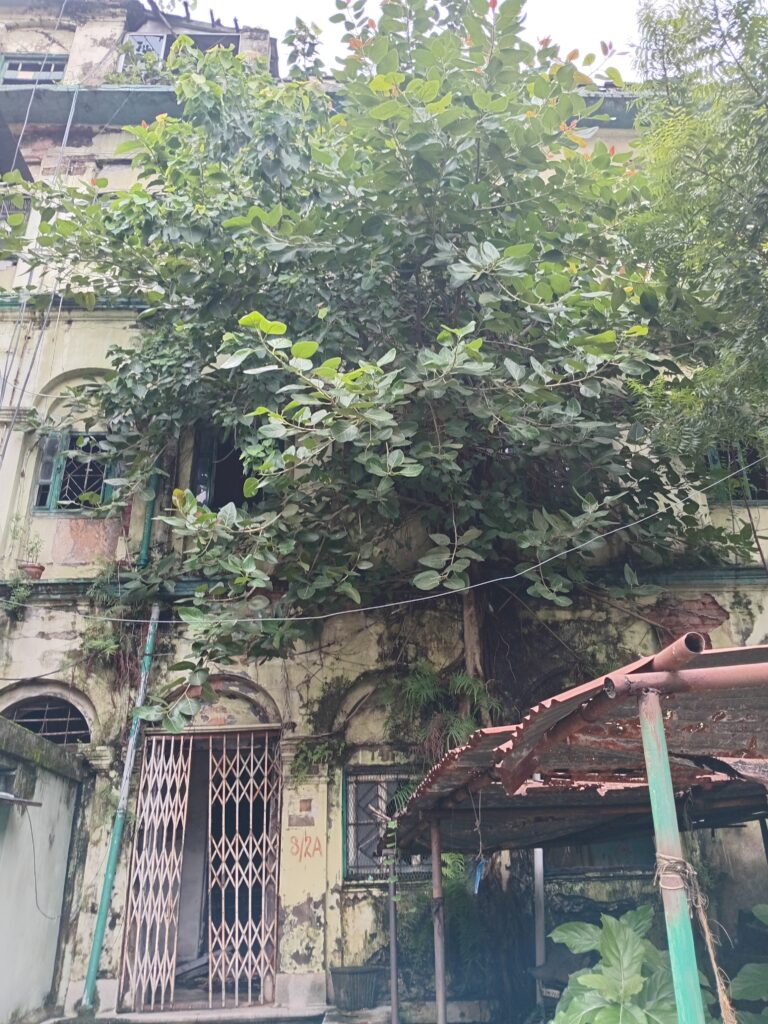
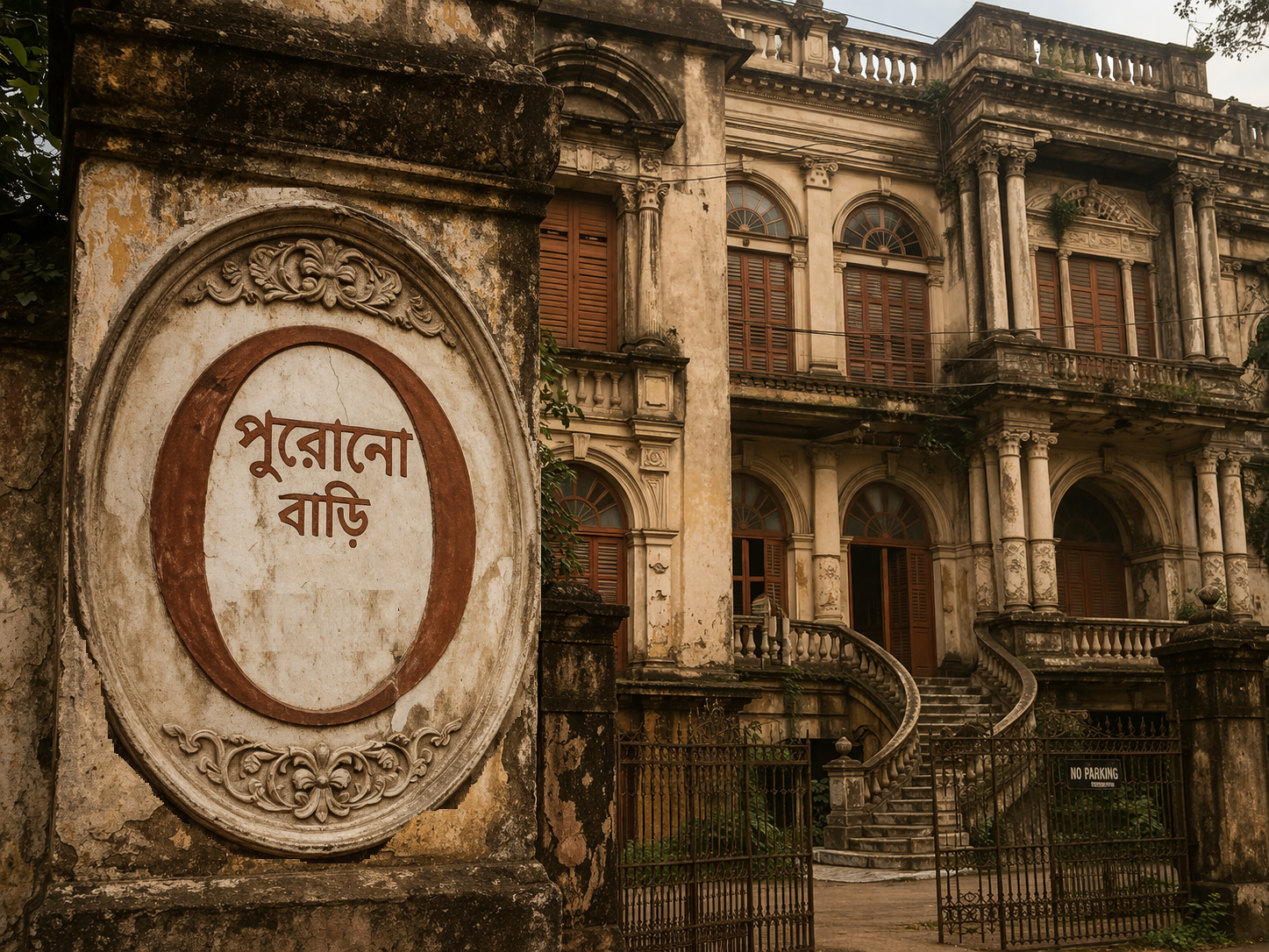
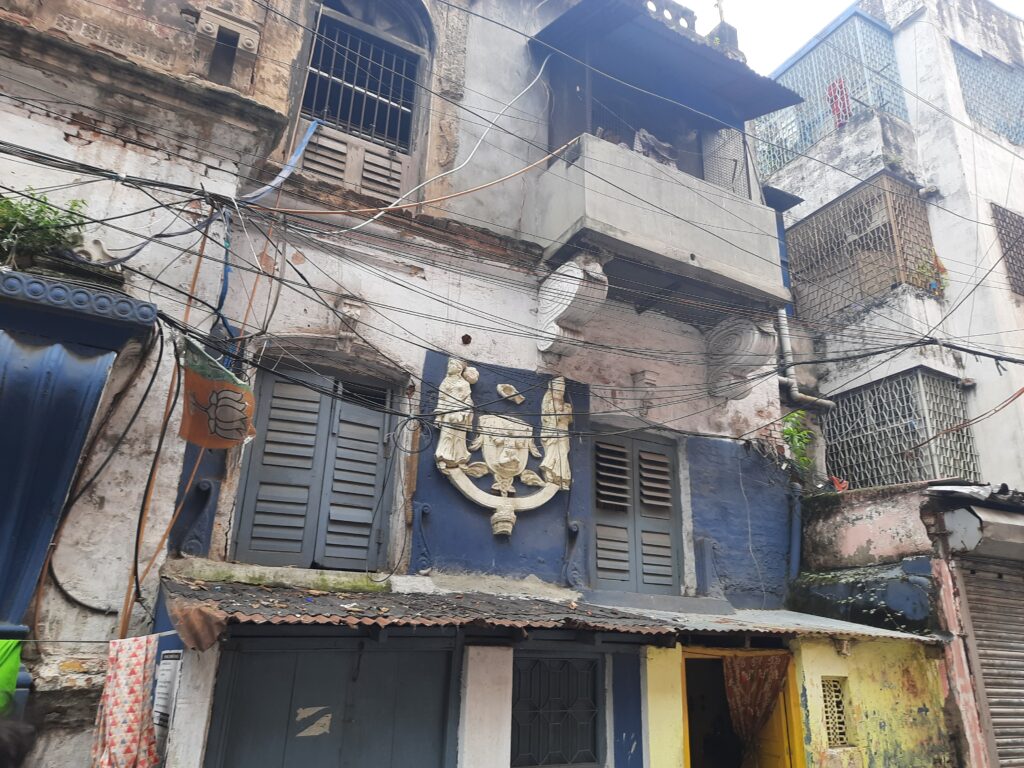
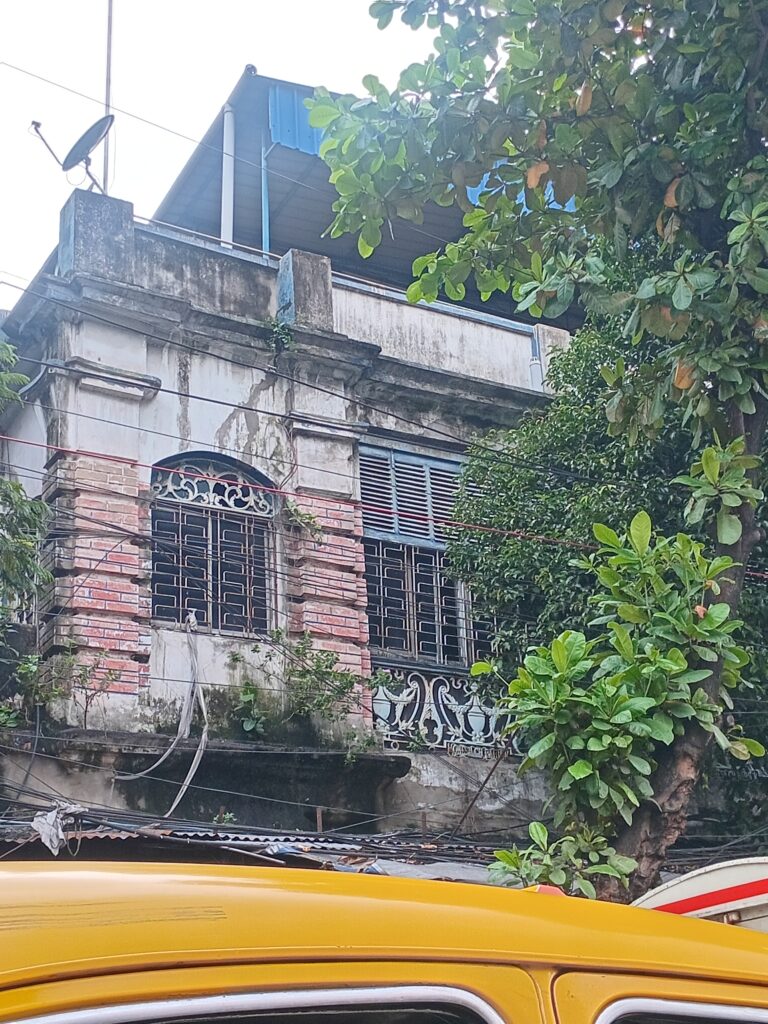
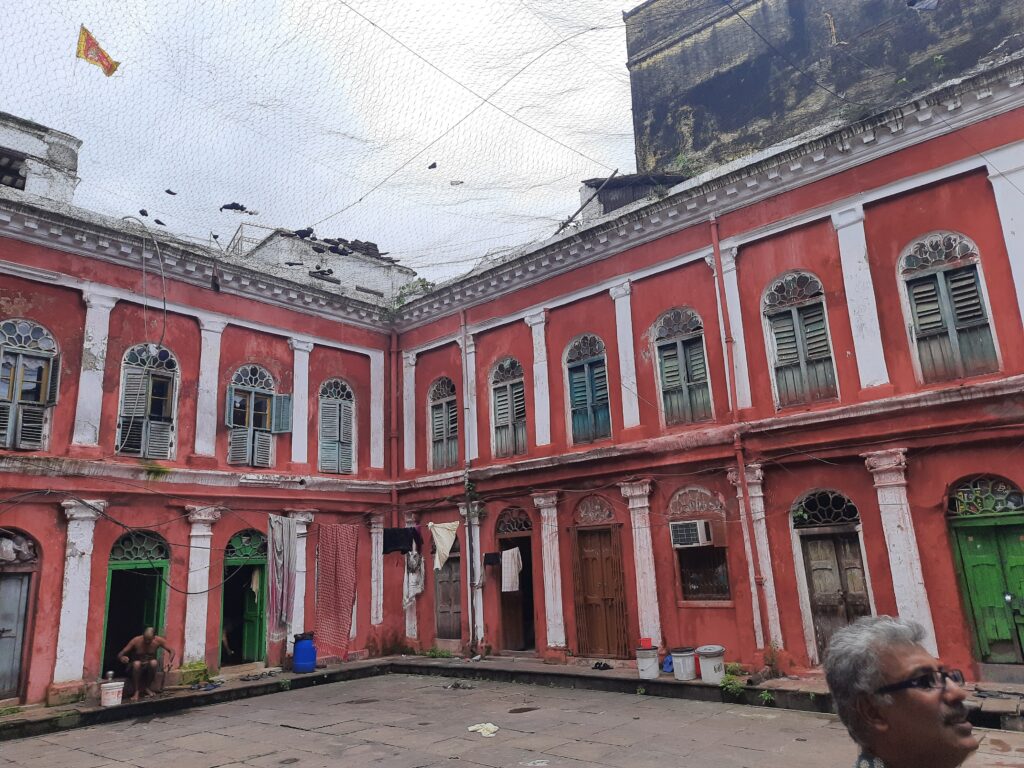
    One of my favourite things to do in Kolkata is walk down or drive down roads (OK, I don’t drive personally because that would be a suicidal endeavour; I sit in the back while my father’s driver takes on the challenge of navigating Kolkata’s streets), especially in older parts of the city. Just looking up to the left and right, I find fascinating and heartbreaking sights of the city’s old houses looking down on the traffic and pedestrians. Some of these are a century old, some two centuries old, some even older. Some are in a dilapidated condition, often condemned to demolition, some are hanging on with the bare minimum maintenance, while some are thriving under the care of owners who have both the desire and means of upkeep.

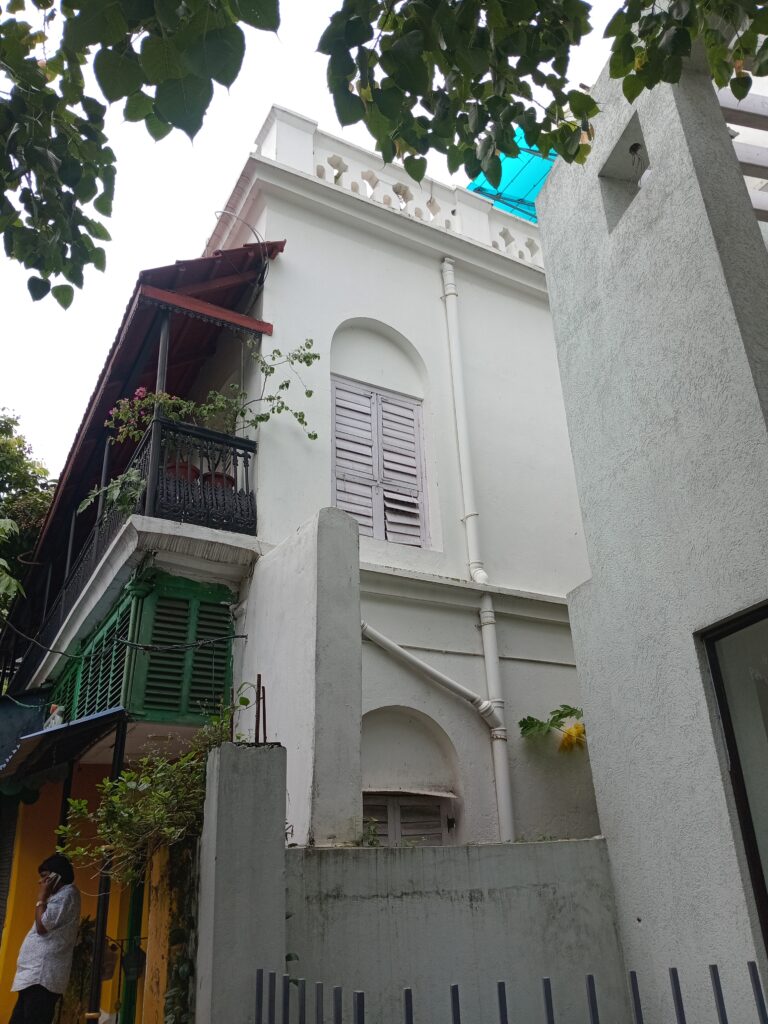
    Anyone who has been to Kolkata will agree that there is “something” about these old houses that pulls you towards them. They are a unique, fascinating style that is sometimes called “Calcutta Corinthian” because of the blend of neoclassical architectural elements brought by Europeans with the traditional design elements of Bengali houses. One of their most noticeable features, of course, are the louvred windows called Khorkhoris. These iconic wooden shuttered windows were highly effective at keeping the weather at bay while still allowing light and ventilation to enter as well as maintaining privacy of the residents.

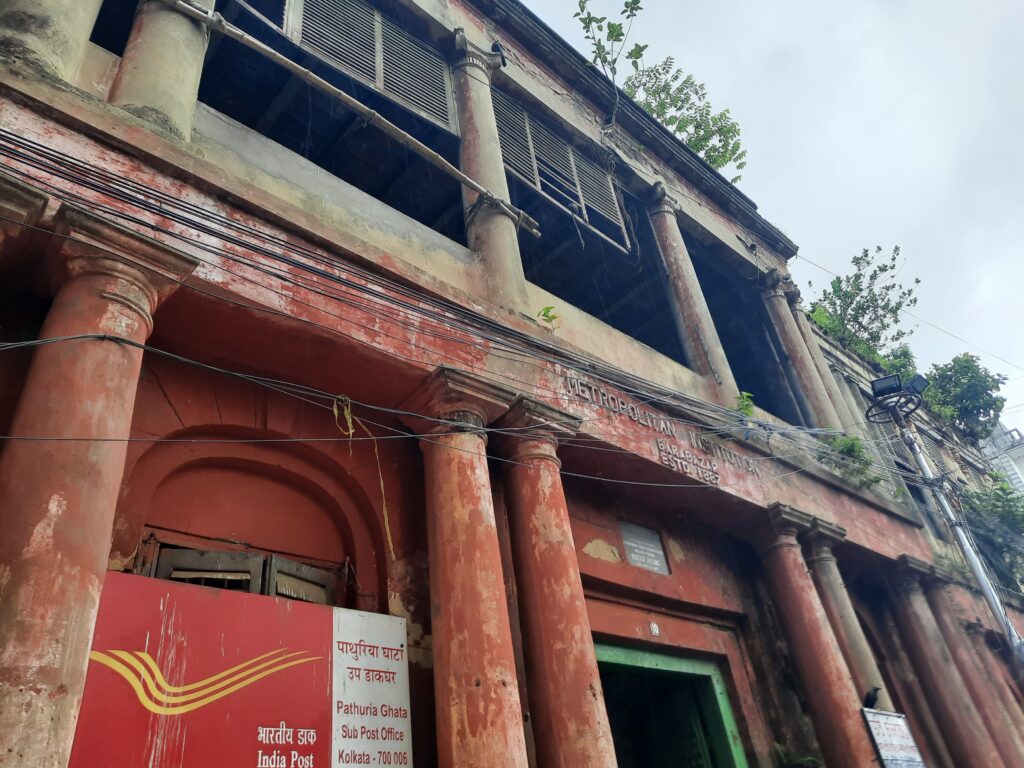
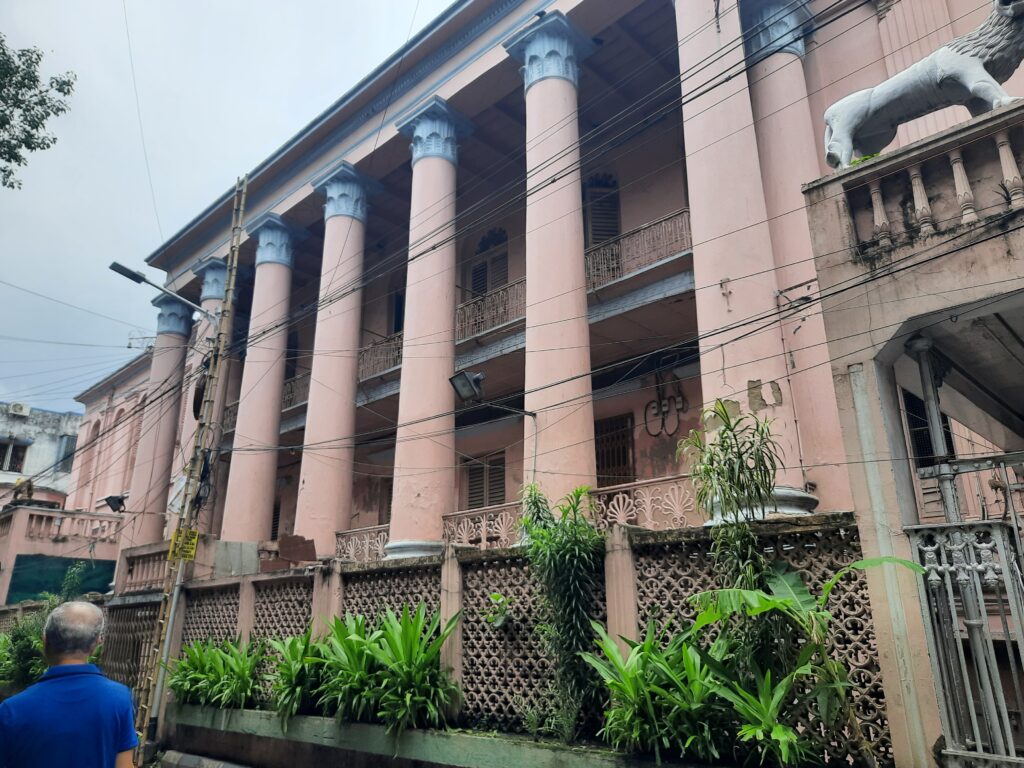
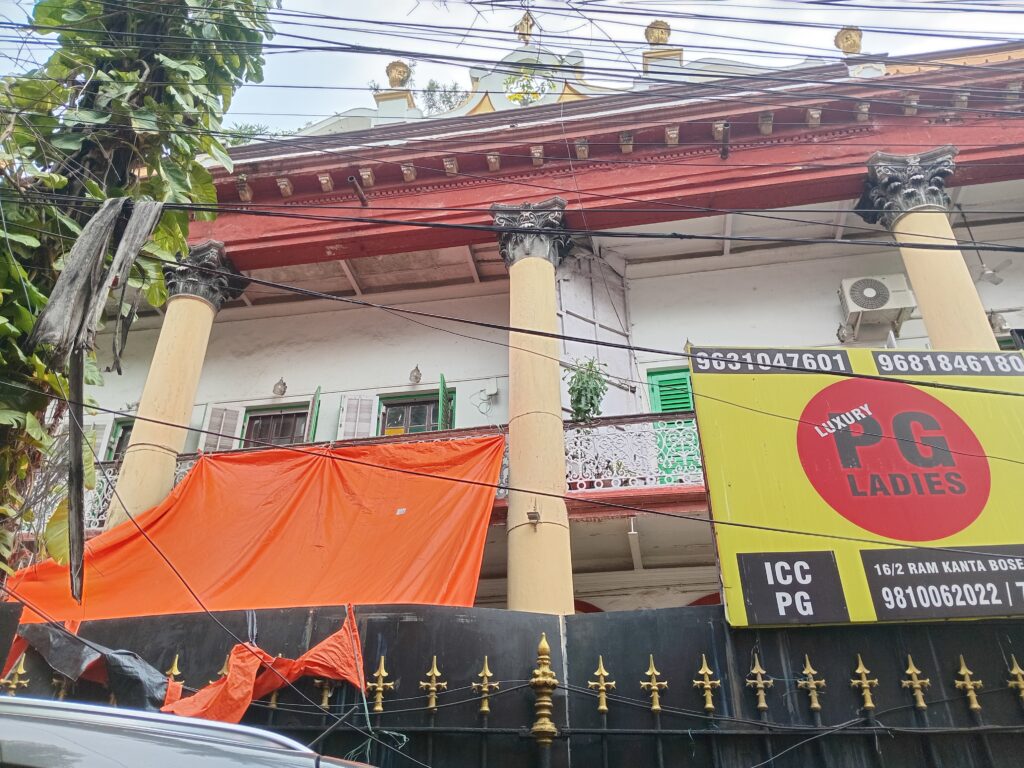
    The massive pillars of these houses are also often visible from the roadside. Built in the fashion of European architecture, these large pillars can be classified as Doric, Ionic, or Corinthian columns. They usually line the façade of the house when the property is still in good condition, creating a sense of grandeur and opulence. More often, they are hidden somewhere behind the newer walls that have come up in and around the older property to make it suitable for modern living. At other times, they are in a pitiable state, crumbling and on the verge of collapse, conveniently concealed behind shops or lowrises that have risen in front of them.

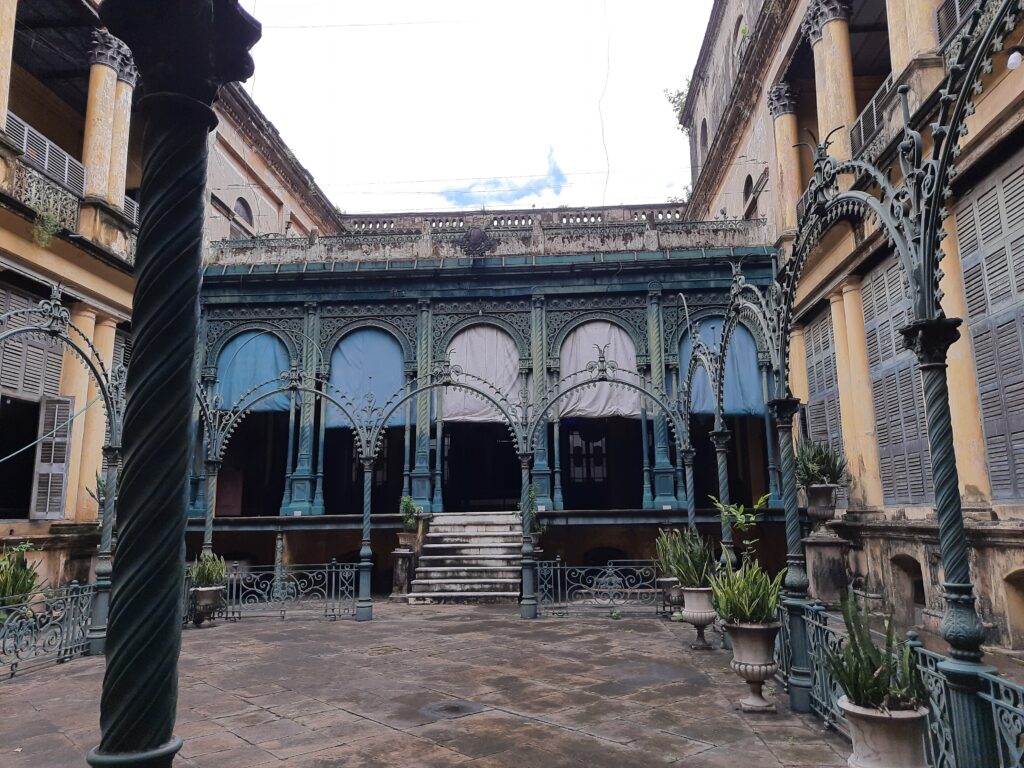
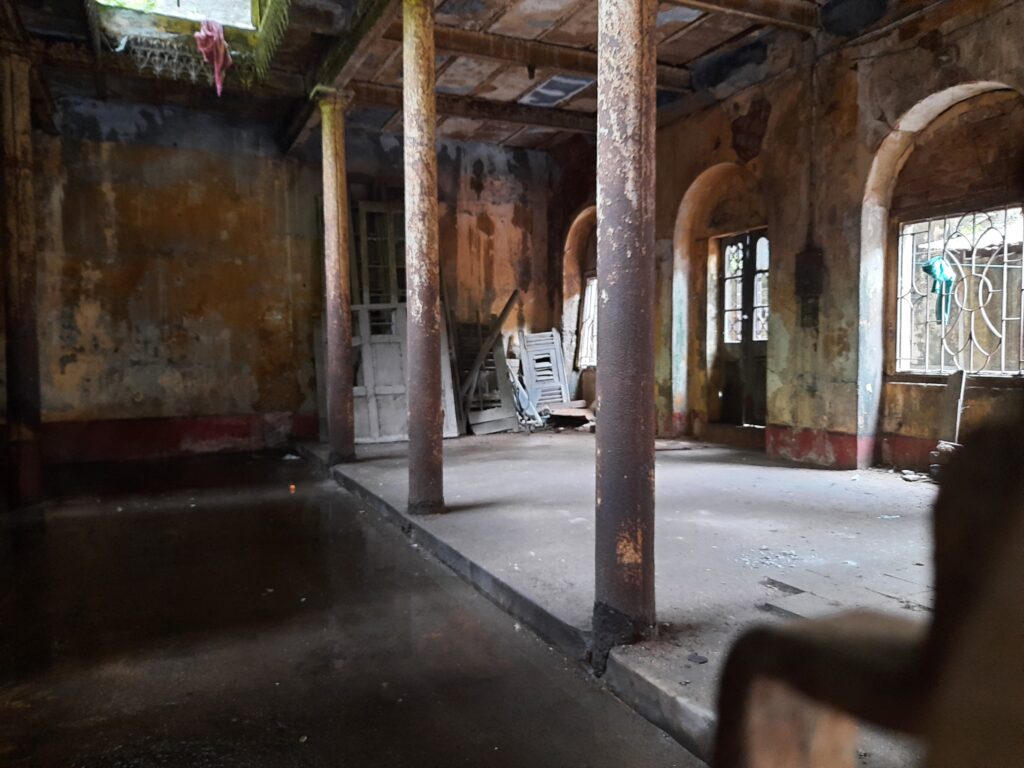
    Within the houses, one of the most prominent features was the courtyard or Uthon. This was a large, often square, open-air area around which the house was built. This was the heart of the household, the space where family members gathered to exchange conversation, perform domestic chores, spend leisure hours, or observe religious rituals. In some of the larger houses, there is a raise platform at one end of the courtyard that was used for religious rituals. Courtyards with such platforms were called Thakurdalans.

    Around these courtyards are found long, open, wraparound balconies that connect the various rooms and parts of the house. In the heyday of such houses, these balconies served as buffer spaces that allowed light and ventilation without the heat or cold impacting the insides of the rooms too much. At times, ornate wooden screens called Jhilmils were placed there as sunshades. The railings of these balconies sometimes sport beautiful wrought-iron grilles with intricate geometric or floral motifs, their beauty often marred or hidden by rust, soot, dust, or nearby buildings.

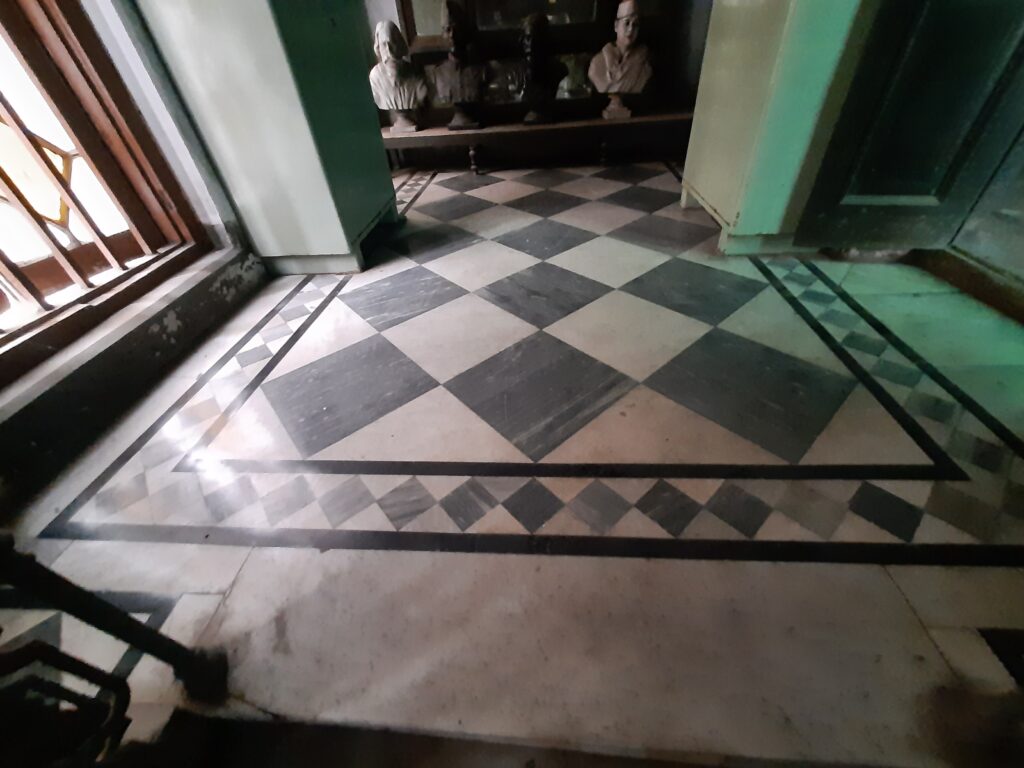
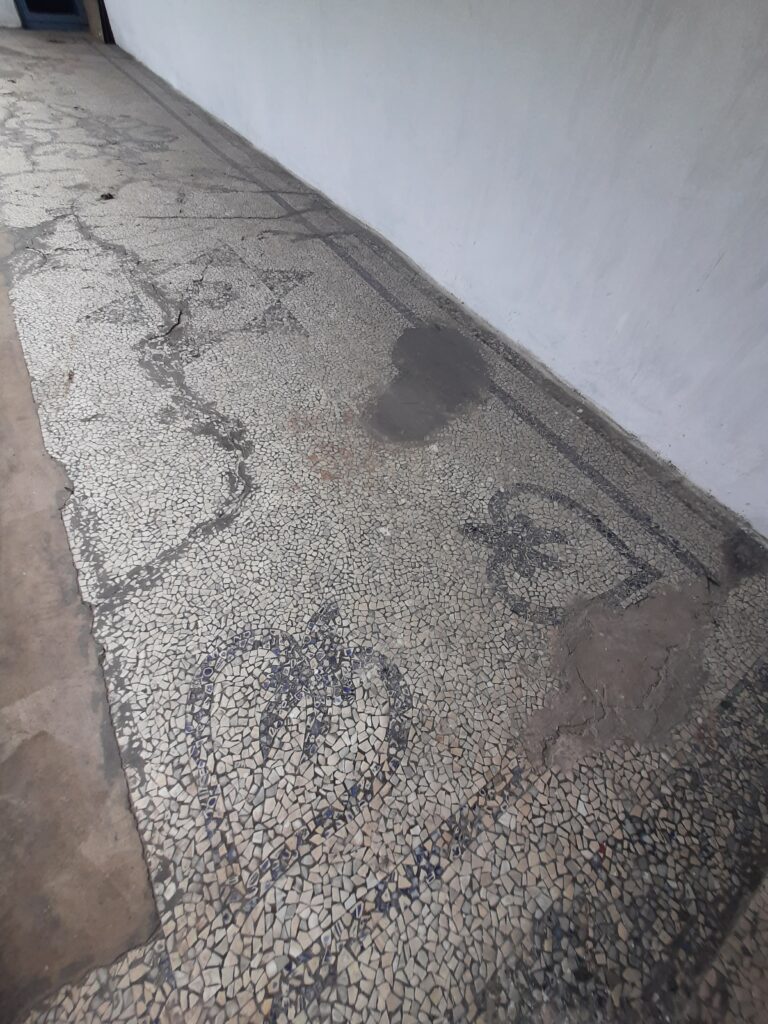
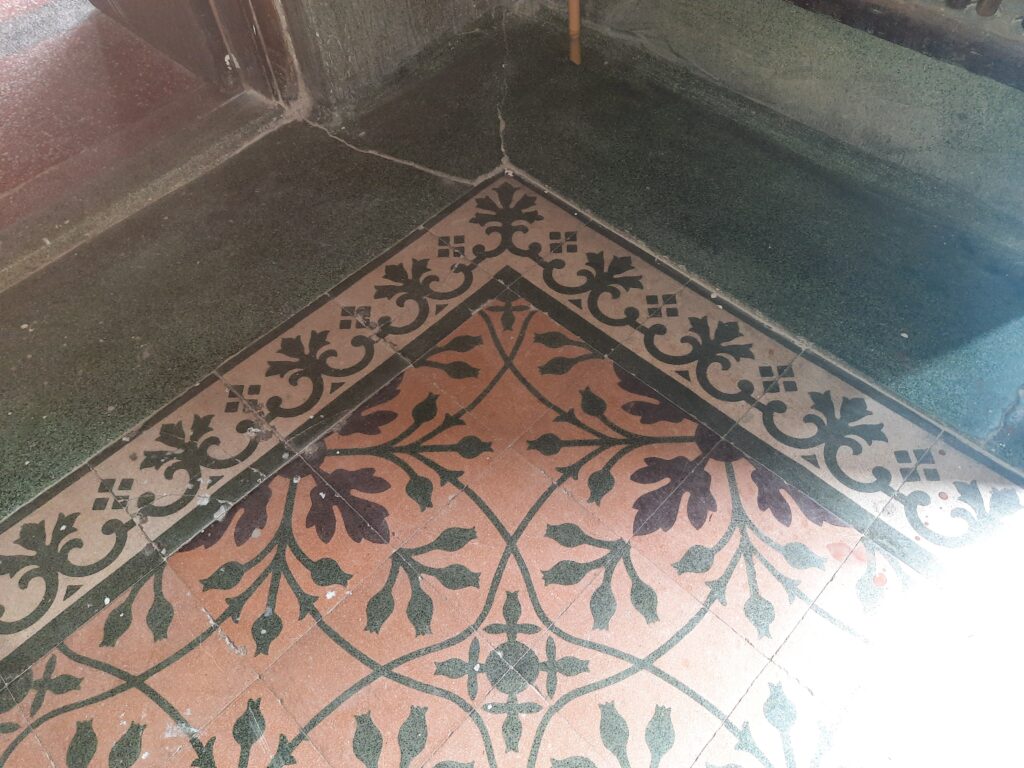
    Another of my favourite features about the old houses of Kolkata is their mesmerising flooring. Some have red oxide floors, while others have beautiful tiles that were often imported. One of the most common patterns—and one that I absolutely adore—is the black and white checkerboard pattern of tiling. Some houses also have beautiful mosaics created with small chips of stone or marble, hemmed in with intricate borders. There is something very soothing yet glamorous about these floors that modern tiles somehow just can’t live up to. What’s more, these floors were often naturally thermostatic, helping to keep the house cool during summers.

    There is so much more to these old houses of Kolkata than crumbling brickwork and dilapidated facades, though increasingly the older ones of the lot are succumbing to these depredations of time. The reason, I am told, is that it is financially more viable for the owners to let them decay and collapse or get demolished than to invest in their upkeep as they cannot expect to make enough returns. While one can understand that, it is still heartbreaking to see the state some of them are in. And though crumbling old houses send a pang through the heart, old houses turned into chawl-like hovels full of filth and stink hurt even worse. On those occasions, it seems that leaving them empty might have been a saner and more sanitary choice.

    The house that Manik, my protagonist, lives in is also one such old house. Though it is in a fairly liveable condition, it is not entirely in a condition that screams prosperity. Part of that choice is deliberate, part is through necessity. As I have mentioned in one of my social media posts, the house is inspired by and based on the houses in Hazra Road, especially one particular house, in central Kolkata, one of the older prosperous areas of Kolkata.

    Just standing in front of any of these houses, I feel like they aren’t just edifices. They are entire epics of the lives of people who lived in them or still do. They stand as silent witnesses to the ebbs and tides of the city that has seen so much drama and revolution in the past few centuries, not all of it for the best. These houses aren’t merely brick and mortar; they are a testament to a way of life that has quietly vanished while we were chasing progress and development. Does that make me a maudlin fool? Maybe it does, but anyone who isn’t inspired to a little sentimentality by these houses probably needs an injection of epinephrine to get their heart beating again!

    #AtoZChallenge

    #BlogchatterA2Z

    #Kolkata

    #cityofkaali

    #oldkolkatahouses

    This post is a part of Blogchatter A2Z Challenge 2026
  • N is for Nakshi Kantha

    N is for Nakshi Kantha

    Hi folks!

    I first heard of the term Nakshi Kantha as a child. Surprisingly, the source was not a discussion of handloom or heritage but rather one of the songs from the Buddhu Bhutum audio drama (I have mentioned this in my post on Folk and Fairy tales of Bengal). In the song, the princess mentions that her home is beyond Nakshi Kanthar Math (the field of the Nakshi Kantha). But what is Nakshi Kantha and what is the field of Nakshi Kantha?

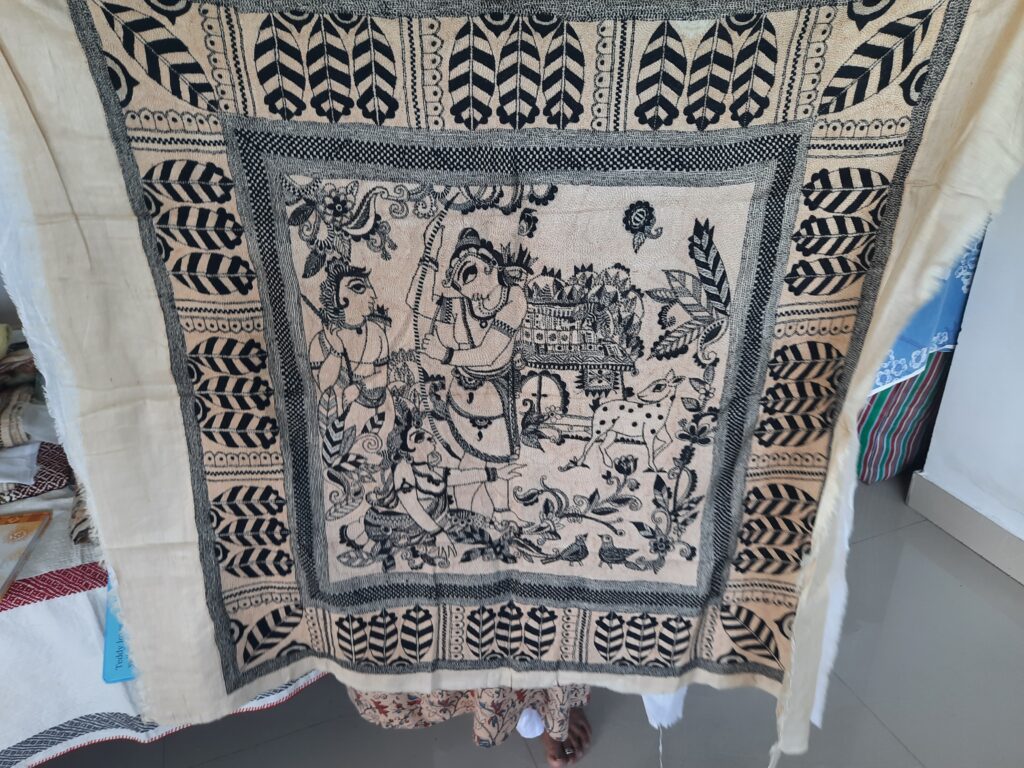
    Before discussing Nakshi Kantha, let us take a look at Kantha. It is a kind of embroidery born in rural households of Bengal, passed down from mother to daughter, as a means to recycle old clothes into something useful like a quilt or a baby’s bedclothes. One of the oldest forms of embroidery in South Asia, it originated as a measure of domestic frugality. Women used to stitch together old sarees or dhotis using the loose, long running stitch (called Kantha Sticth) to make it more functional as well as pretty to look at. Colours like red, blue, black, green, etc were used to embroider on a white background.

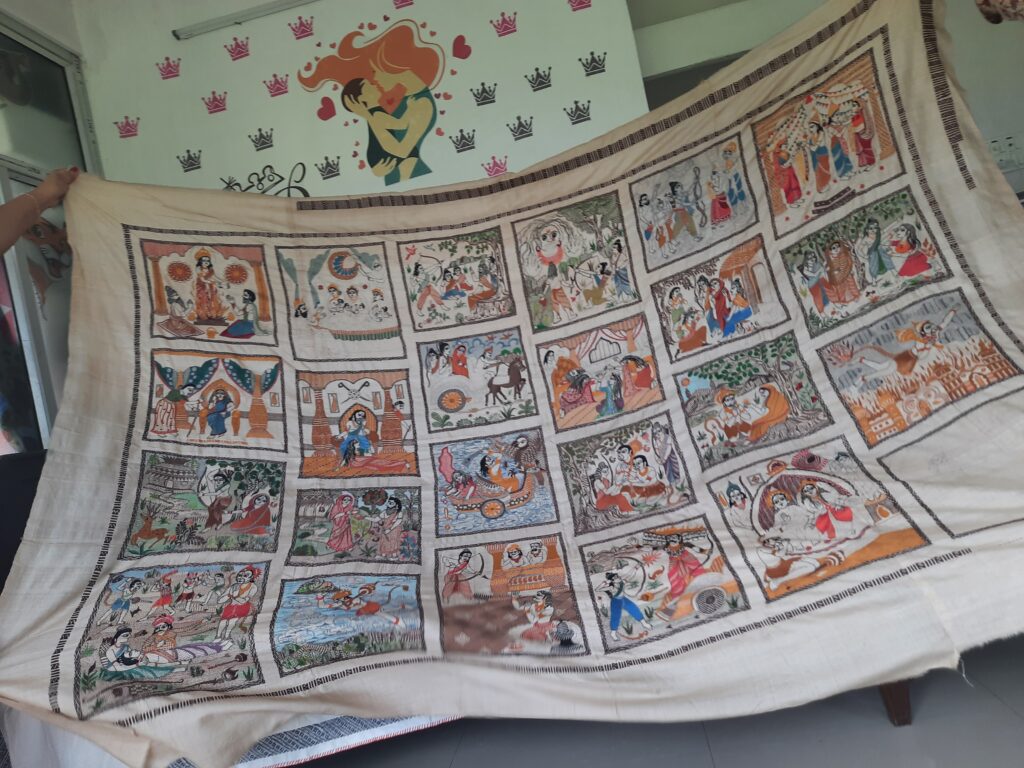
    Kantha work by Mrs Mahamaya Sikdar, photograph by Writa Bhattacharjee

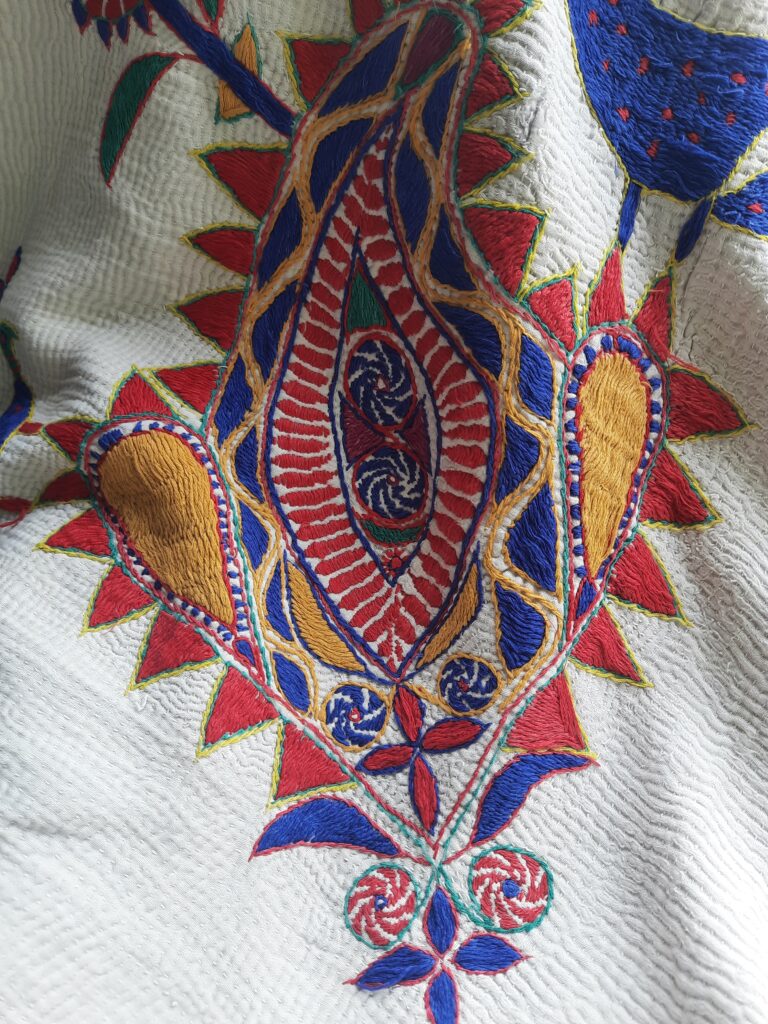
    Now, coming to Nakshi Kantha, it is a highly intricate and complex variant of kantha where specific colourful patterns and designs (called “Naksha”, which give the name to the art form) are embroidered onto the kantha. Traditional designs include motifs from everyday life, birds, animals, fish, and plants. Since this type of Kantha requires complicated embroidery of many patterns, hand-embroidering a single Kantha would take women months.

    Before we go further into the discussion of Nakshi Kantha, let me also explain the concept of the field of Nakshi Kantha. Although the audio drama mentions it, the written version of the story in the Thakurmar Jhuli does not. My guess is that its use in the recorded song is inspired by the well-known narrative poem Nakshi Kanthar Math by poet Jasimuddin (1928). It is a tragic love story where the heroine embroiders all the grief of her life onto a Nakshi Kantha, which is later placed on her grave. This gives the field where she is buried the name Nakshi Kanthar Math (The field of the embroidered quilt).

    Kantha work by Mrs Mahamaya Sikdar, photograph by Writa Bhattacharjee

    Regardless of how or why the expression was included in the audio drama of Buddhu Bhutum, the name itself left an indelible impression on my young mind, an image of something fantastic and magical. And truth be told, watching the intricate and beautiful patterns of a Nakshi Kantha unfold before my eyes holds that same sense of wonder and magic even in real life. This is an experience I had in 2022 during my visit to Kolkata, during which I met National Awardee and Shilpaguru Mrs Mahamaya Sikdar. A warm, lovely person and a pioneer in the field of Nakshi Kantha, she was kind enough to talk to me about her art and also show me several of the magnificent pieces she had crafted.

    A brief digression is necessary at this point, I feel. Some of you might have noticed that I haven’t mentioned my series City of Kaali in the last couple of my posts. That has been unfortunately necessitated by the desire to avoid spoilers. But I can mention how Nakshi Kantha is related to the series in a spoiler-free manner. In Ageless Feud, I was fortunate enough to include the character of the Historian based on a real person, Dr Purabi Roy, one of the most brilliant minds of our times. She was generous enough to not only allow me to include her as a character but also to run an eye over the relevant portions to give me her blessings before publication. While I can’t tell you exactly how Nakshi Kantha enters the story, I confess that I would be greatly honoured if Mrs Sikdar allows me the same kindness that Dr Roy did.

    Kantha work by Mrs Mahamaya Sikdar, photograph by Writa Bhattacharjee

    To return to Nakshi Kantha, today it has evolved from a utilitarian object that gave rural semi or illiterate women a space to express themselves to a true art form that received a GI tag in 2007. These days, Nakshi Kantha is embroidered on fresh cloth with a wide variety of fabrics being used, such as cotton, silk, organza, etc. The finished product is no longer restricted to use as a domestic object; rather, Nakshi Kantha graces bedcovers, tablecloths, items of clothing, shawls, and many other items of décor or fashion. While traditional designs and patterns continue to be embroidered, Mrs Sikdar has revolutionised the artform with her use of abstract designs that reflect our modern realities in much the same way that traditional designs reflected the lives and themes of the original artists of the Kantha.

    There is so, so much to be said about this marvellous art form, but for once, I’d rather let the images do the talking while I sit by spellbound in admiration at what human imagination, skill, and diligence can give birth to. Do you own any piece embellished with Nakshi Kantha? If you do, please share in the comments. If you don’t and would like to own something, also let me know in the comments. I will redirect you to Mrs Sikdar under whose tutelage, many underprivileged women now earn a living through this wondrous artform.

    #AtoZChallenge

    #BlogchatterA2Z

    #Kolkata

    #cityofkaali

    #nakshikantha

    This post is a part of Blogchatter A2Z Challenge 2026
  • M is for Manasa Mangal

    M is for Manasa Mangal

    Hi folks!

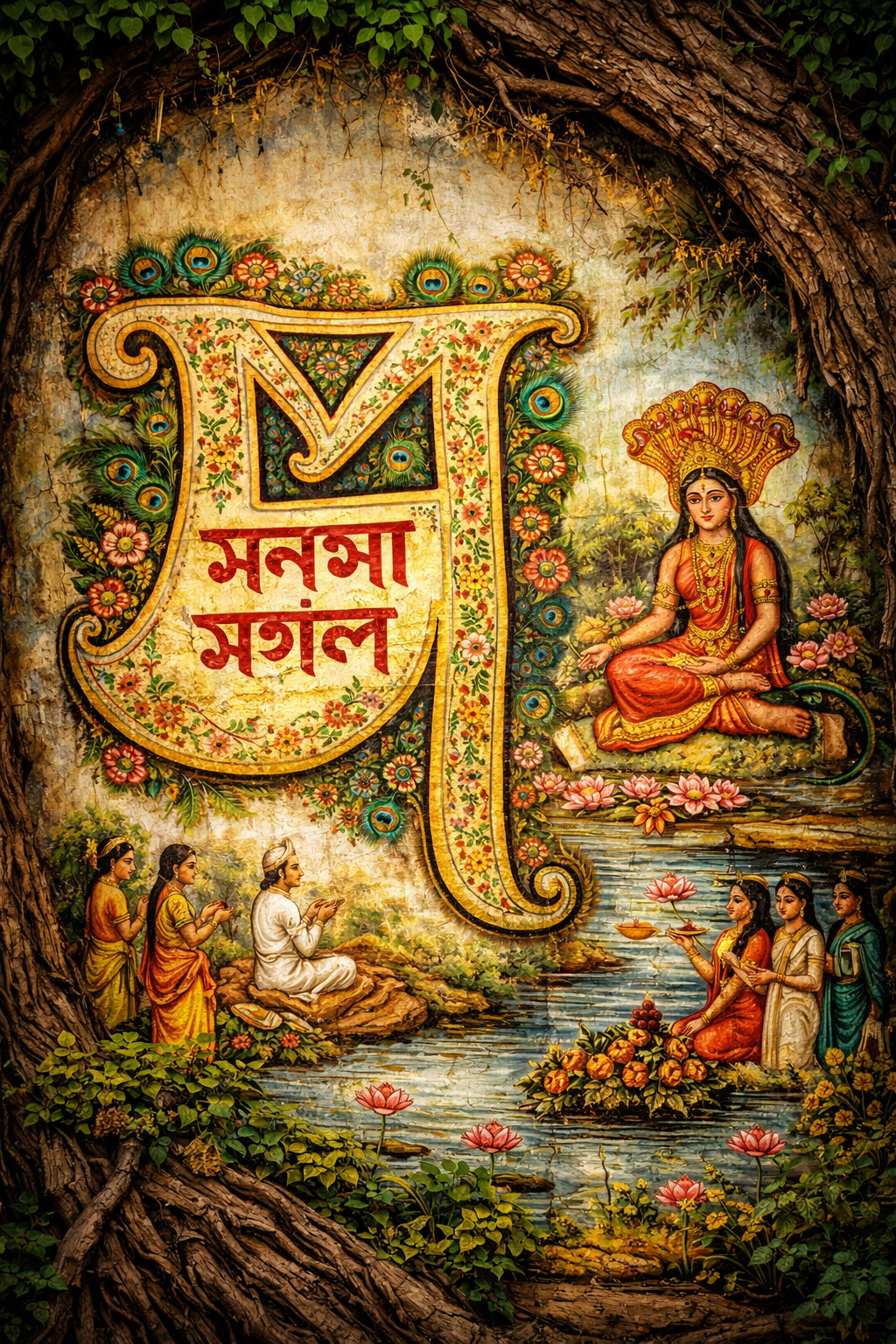
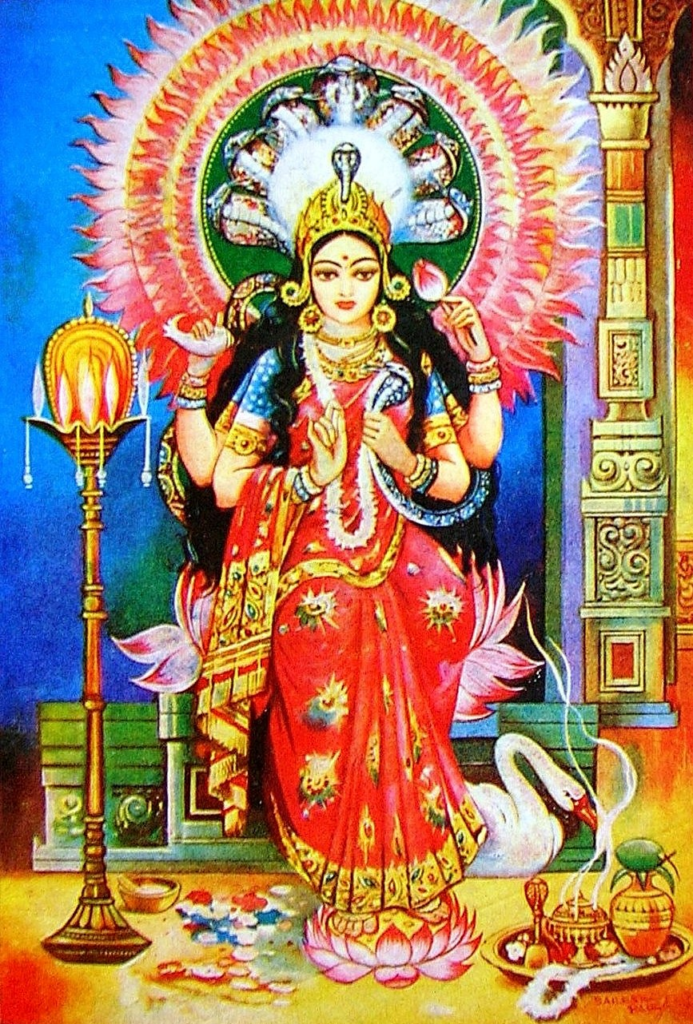
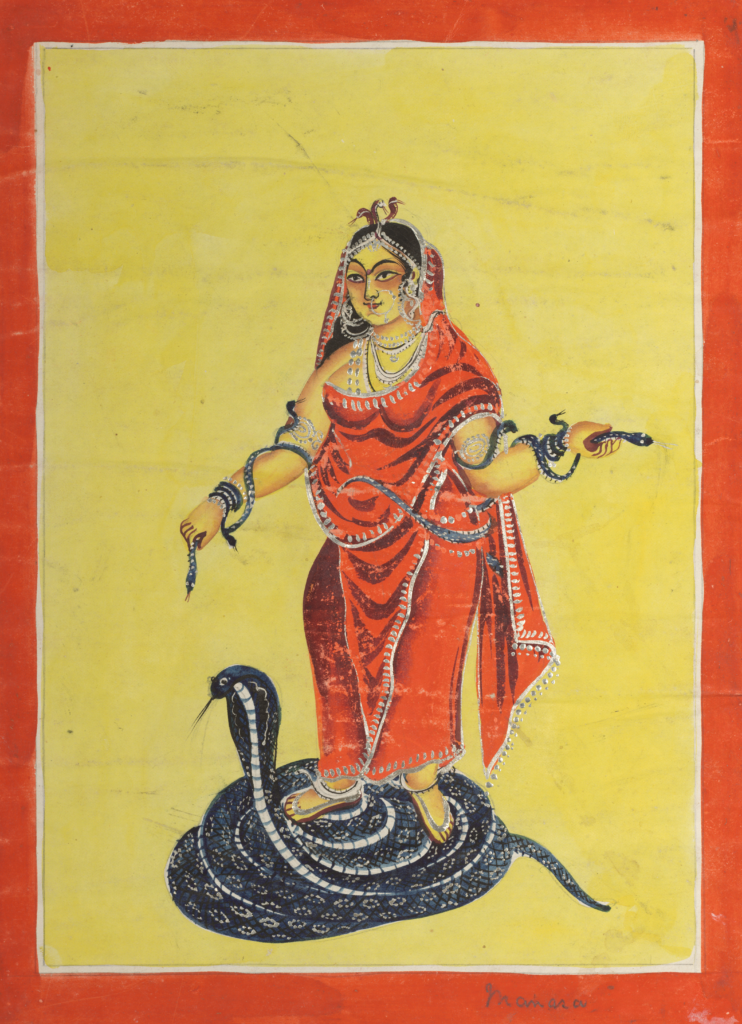
    In my Baro Mashe Tero Parbon post, I mentioned Manasa Puja as one of the thirteen parbons. The goddess of snakes, Manasa, is a fascinating goddess who is very popular in Bengal. Interestingly, unlike most of the better-known gods and goddesses of the Hindu pantheon, Manasa is an indigenous goddess rooted in Bengal’s agrarian heritage. How she came to be worshipped historically is something that needs a deeper explanation; for now, let us dive into the Manasa Mangal Kavya which describes the myth of how she came to be worshipped.

    The Manasa Mangal Kavya is part of the tradition of Mangal Kavyas (poems of benediction), Bengali religious texts in verse form, often dedicated to indigenous gods and goddesses, written between the 13th and 18th centuries. The Manasa Mangal is considered the oldest of these, with the Chandi Mangal Kavya and Dharma Mangal Kavya being the two other most prominent ones. Do note that these aren’t specific, single texts; rather, they are like sub-genres. While the core theme and story remain the same in the various kavyas, the details and style differ.

    Jonoikobangali, Public domain, via Wikimedia Commons

    So, there isn’t a single Manasa Mangal Kavya but rather several written by different poets. The earliest of these is likely to have been Kana Haridatta (13th century) but his text is now lost. In the 15th century, Bipradas Pipilai, Purushottam, Bijay Gupta, and Narayan Deb wrote their own versions of the Kavya. Both Bijay Gupta’s and Narayan Deb’s versions are also known as Padmapuran. Ketakadas Kshemadnanda and Jagajjiban Ghoshal contributed to this Kavya in the 17th century, and in the 18th century, Jibankrishna Maitra and Jagmohan Maitra also added to it.

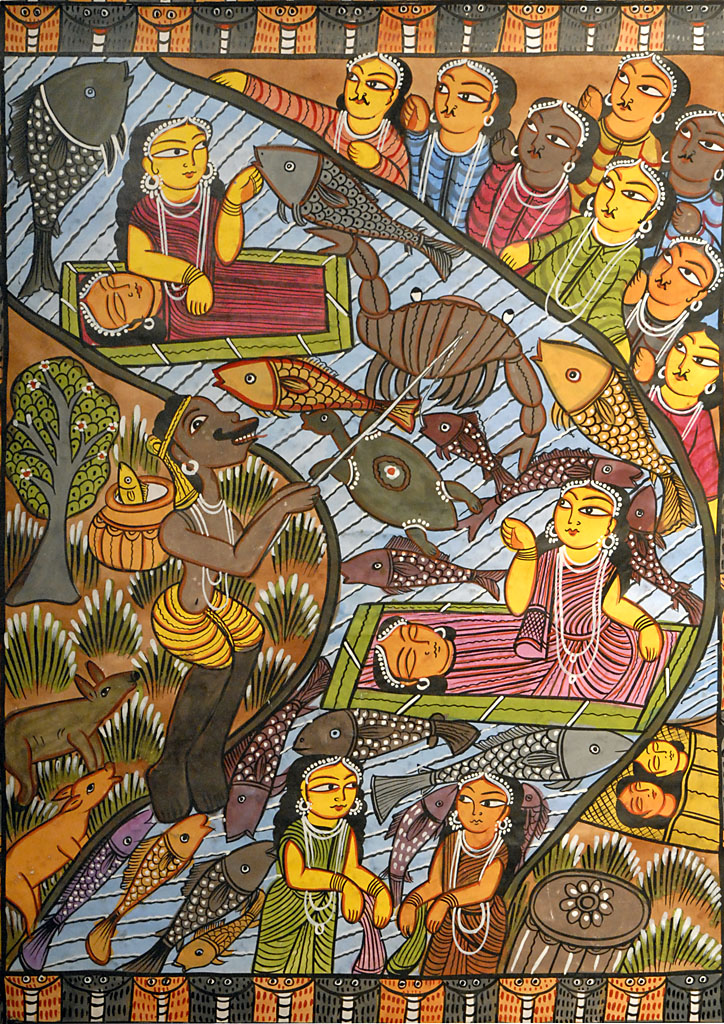
    The story of the Manasa Mangal Kavya goes like this: Chandradhar or Chand Sadagar is a renowned devotee of Lord Shiva. Goddess Manasa decides that if he worships her too, her worship will become popular. However, he not only refuses to worship her but insults her as “Chyan-muri kaani” (One-eyed wretch). In her anger, she destroys his seven ships and kills his six sons. The youngest son, Lakhinder, is married to Behula, but he too is killed by snakebite on their wedding night.

    Jean-Pierre Dalbéra, CC BY 2.0 https://creativecommons.org/licenses/by/2.0, via Wikimedia Commons

    Behula refuses to accept her plight, and travels with Lakhinder’s body on a banana-pith raft to heaven. She faces many difficulties along the way, but succeeds in convincing the gods to have pity on her. Finally, Goddess Manasa agrees to relent and make reparations, but only if Behula convinces Chand Sadagar to worship her. Behula succeeds in doing this, and Chand offers a flower to Goddess Manasa with his left hand and his face turned away. Though still far from what was expected, this is considered acceptable by the goddess who returns Chand’s sons and prosperity.

    There are many debates and discussions regarding the themes and significance of this Kavya. One of these is the issue of feminist ideals—Manasa, the headstrong feminine power taking on the patriarchy vs Behula, the compliant and devoted wife fighting for her husband and his family. Personally, I feel that both these characters have certain traits in common that are more relevant to their role as feminist icons. They are both determined to reach their goals, they are persistent and unmovable even in the face of insults and hurdles, and they will do almost anything to achieve their objectives. Though their values, goals, and methods differ, they are almost mirror images of one another in their stubborn determination. Rather, they are two sides of the same coin.

    Cleveland Museum of Art, CC0, via Wikimedia Commons

    The other important theme is that of the emergence of indigenous gods in competition with Vedic gods. Despite opposition, the native Goddess manages to secure a victory over the Vedic God whose worship is more popular. Not only that but she also becomes established as a major deity of the region. In a way, it is also a reflection of the rural-urban divide in Bengal’s socio-cultural landscape.

    On a slight tangent from these discussions, I am fascinated by the marketing and branding implications of this story. It is, in a way, the story of a small brand trying to establish itself in the market by convincing the ambassador of a large brand to endorse it. It is a story of brands, market share, and celebrity influencers, when seen from that perspective. These are such modern ideas that coming across the same concepts in a text that was written centuries ago is jaw-dropping. In an age where retellings are becoming increasingly popular, maybe someone should write this story!

    #AtoZChallenge

    #BlogchatterA2Z

    #Kolkata

    #cityofkaali

    #manasamangalkavya

    This post is a part of Blogchatter A2Z Challenge 2026
  • L is for Lokkhir Panchali

    L is for Lokkhir Panchali

    Hi folks!

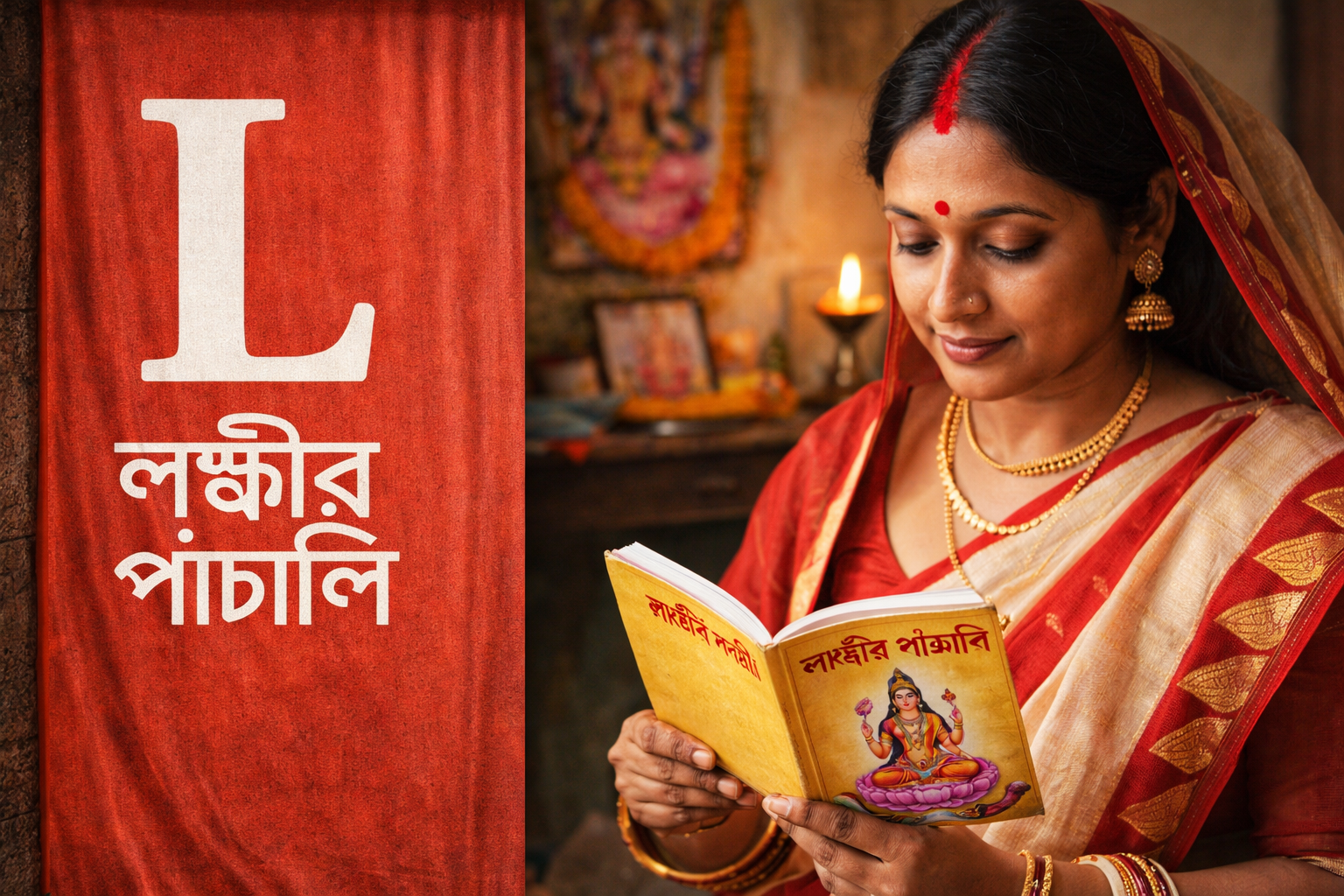
    The word “Panchali” has been made popular by Ray’s movie Pather Panchali. The title is translated into English as “Song of the Road”. However, Panchali isn’t just a “song”. It is a very specific kind of religious lyrical narrative that is recited during ceremonies and festivals. One of the most well-known of these is the Lokkhir Panchali (Panchali of Goddess Lakshmi) that I grew up watching my mother recite every Thursday, while doing a more elaborate puja than the daily worship of the household pantheon, and Lokkhi Pujo.

    I’ve always been fascinated by the oral narrative traditions of our country. Long before writing made them more accessible, moral fables and stories—and even our epics—were circulated among common people through oral narratives and songs. The Lokkhir Panchali contains an anthology of several of these stories along with descriptions of how to worship the goddess the right way. Essentially, the Panchali is a summary of what people need to do and not do in order to invite Goddess Lakshmi into their lives and homes.

    Created with Gemini

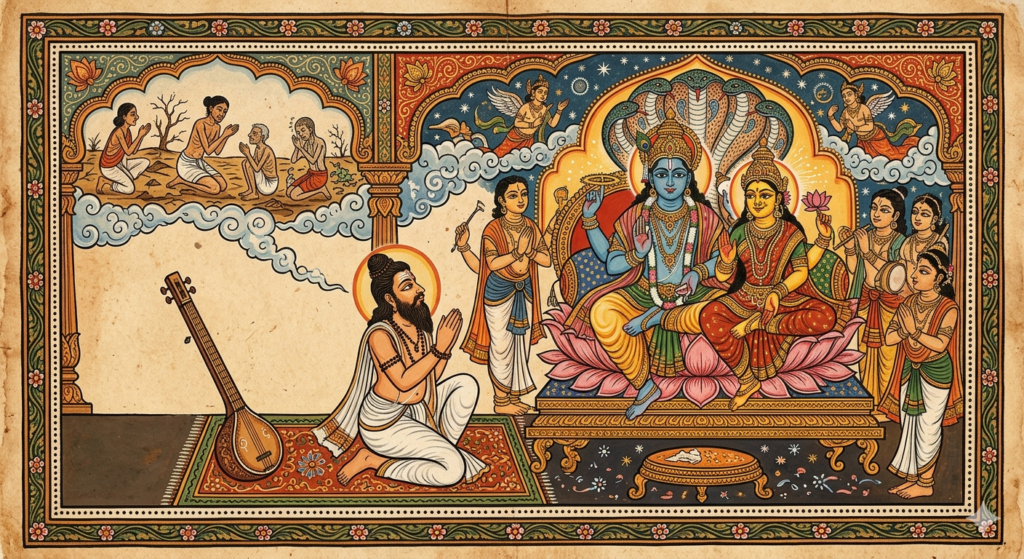
    The Lokkhir Panchali starts with Sage Narada approaching Goddess Lakshmi and Shri Vishnu is Vaikuntha. He tells them about the miseries being faced by humans on earth. There is plague, famine, disease, and death. People are no longer doing good deeds. They are abandoning their families. Even suicide is being committed. He requests Goddess Lakshmi to help the humans as all the problems are an obvious manifestation of the absence of Lakshmi in people’s lives.

    She replies that this is the consequence of people’s own misdeeds as they have forgotten about devotion and Laksmi. They behave in a way that has caused their downfall (sounds oddly contemporary and relevant, doesn’t it? But I’m digressing). However, she is finally convinced by Shri Vishnu to give humans a second chance. He is also moved by the plight of the humans and suggests a Thursday worship ceremony called Lokkhibrata to cleanse evil and restore prosperity.

    Created with Gemini

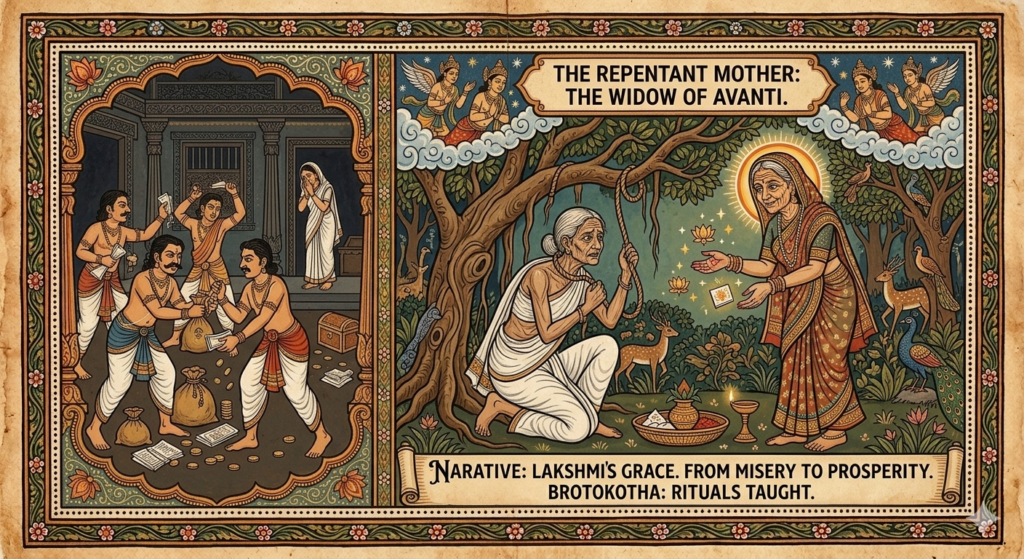
    Another story tells of the meeting between Goddess Lakshmi and a widow. The Goddess descends to earth and travels to the city of Avanti disguised as an old woman. Her purpose is to find someone who is worthy of her benevolence and grace. There, in a forest, she encounters a weeping and miserable widow who is contemplating suicide. The Goddess stops her and asks what is wrong. The widow explains how everything in her life has been ruined; her seven sons fight with each other over the inheritance of their father, their wives also quarrel with each other, and there is no longer any prosperity or peace in her family.

    The goddess comforts the widow and tells her what is to be done to undo the miserable situation. She teaches the widow the Brotokatha, the set of rituals and ceremonies to be performed during the Thursday-wise Lokkhibrata. She instructs the widow to go home and convince her sons and daughters-in-law to start doing the Brata as well. The widow follows her instructions. Under her guidance, the younger generation also starts observing the proper rituals. Soon, all the disharmony and problems in the family vanish and prosperity returns.

    Created with Gemini

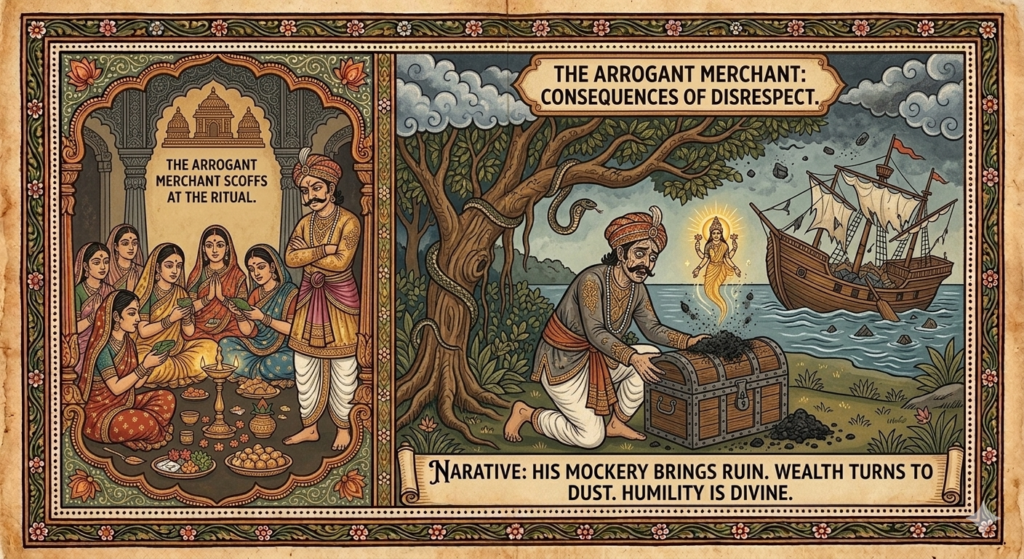
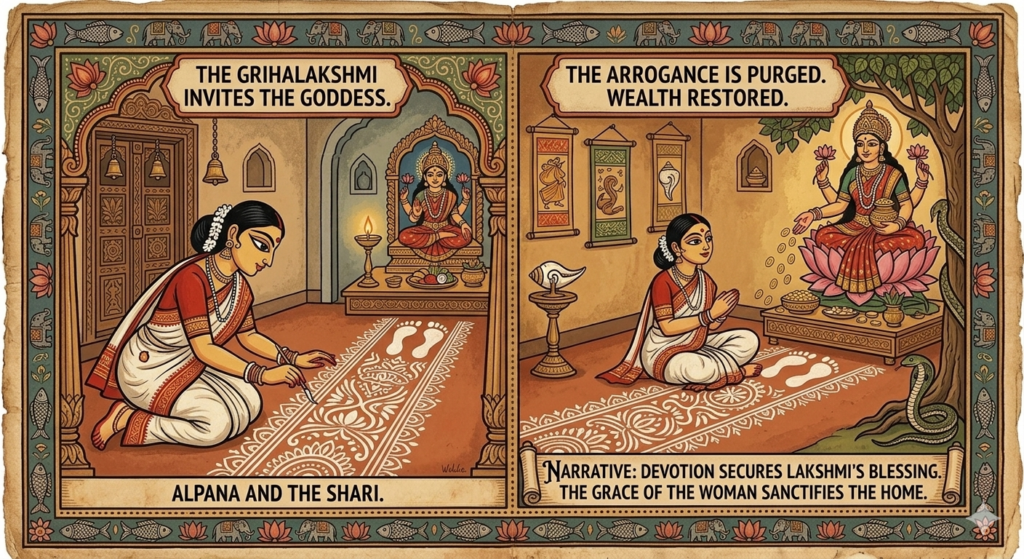
    Another story is that of the arrogant merchant. A merchant sees a group of women performing Lakshmi Puja and upon learning that it is to grant prosperity, calls it a useless ritual. He declares that his wealth is the result of his own efforts and has nothing to do with Lakshmi. This angers the Goddess, and she abandons him. Soon, his business goes bust, his ships sink, his wealth is stolen, and he becomes a beggar. Realising his mistake, he repents and returns to the women who had been conducting the rituals. He learns from them and conducts the rituals with true devotion. Goddess Laksmi is appeased and returns to him, which leads to a return of his wealth and prosperity as well.

    Created with Gemini

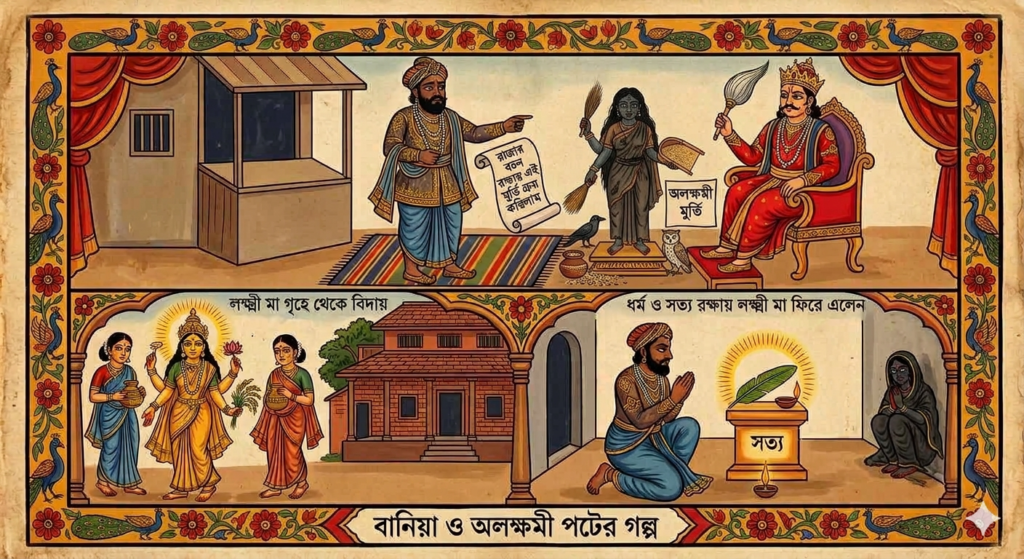
    Another merchant in the Lokkhir Panchali who learns his lesson the hard way is the one who installs a statue of Alakshmi in his home. Having promised a king to buy whatever he sells, he buys the strange statue and brings it home. Lakshmi cannot abide its existence, so she leaves. Soon after, Success and Dharma also leave. When Truth is leaving, the merchant protests, saying he never abandoned Truth. His commitment convinces Truth to remain. As a result, Dharma also returns. Lakshmi and Success finally return as well once Alakshmi leaves.

    Created with Gemini

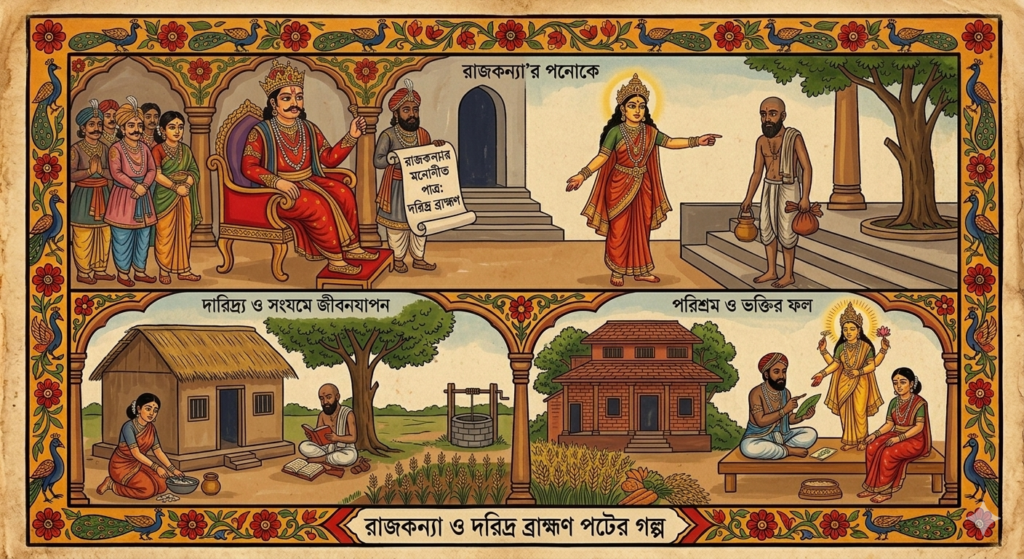
    My favourite story from the Panchali is probably the one of the King’s Daughter and the Poor Brahmin. An arrogant king asks his children whose blessings enable them to live a life of prosperity and comfort. All except his youngest daughter praise him. The youngest daughter says that their prosperity is the result of Lakshmi’s blessings. Angry at her response, he decides to wed her to a destitute and sickly Brahmin, thinking that it will teach her a lesson.

    Instead, once the princess starts performing the Lokkhibrata at her poor husband’s house with whatever alms they can gather. Slowly, things start to improve. Her husband regains his health, they become wealthy, their house turns into a palace. All this while, her father and her siblings lose their own prosperity and become destitutes. One day, they arrive at her house as beggars and are astounded by her circumstances. She looks after them kindly and teaches them the Bratakatha, which restores their fortunes as well.

    Created with Gemini

    Apart from the stories, the Lokkhir Panchali also contains the details of the rituals to be observed—the actual Bratakatha. It establishes that the true way for bringing and keeping Laksmi in the house is through cleanliness, order, devotion, and care. It lists the different practices that the Grihalakshmi, the lady of the house, is expected to perform in terms of cleanliness and preparations. There is also a focus on the importance of order and discipline in the household.

    Even apart from the religious implications, it is interesting that the Panchali talks about actions that can lead to a less chaotic and systematic way of life, which is definitely something that can contribute to bringing prosperity and joy. I am fascinated by how folk traditions are rooted in simple practicalities of life that are presented as religiously significant behaviour. Perhaps it was the lack of education that compelled it. Perhaps whoever came up with the idea was well aware of people’s tendency to refuse actions based on logic while following religious precepts to the T! Whatever the reason, I feel that the Lokkhir Panchali certainly has lessons for all of us even today, and even for those who (like me) are not religious.

    #AtoZChallenge

    #BlogchatterA2Z

    #Kolkata

    #cityofkaali

    #lokkhirpanchali

    This post is a part of Blogchatter A2Z Challenge 2026
  • K is for Kolkata-Calcutta

    K is for Kolkata-Calcutta

    Hi folks!

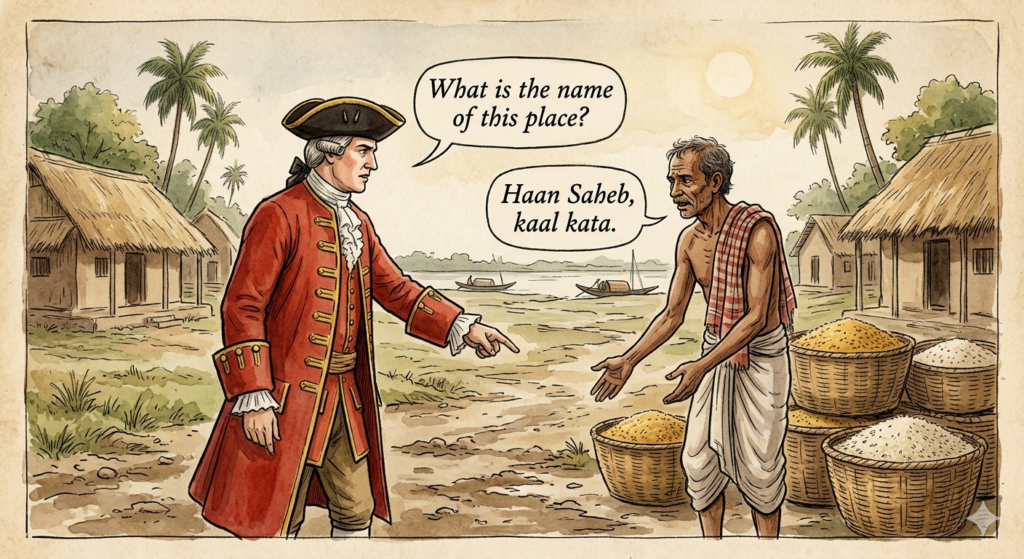
    There is an anecdote about how the city of Kolkata got its name. The story goes that when an Englishman landed in what would later become the city, he asked a farmer selling grain what the place was called. He pointed to the ground and asked him the name of the place. The farmer thought that the Gora Babu was asking about his product and replied “Kaal kata” (cut yesterday). And that was how the city was named “Calcutta”.

    Created with Gemini

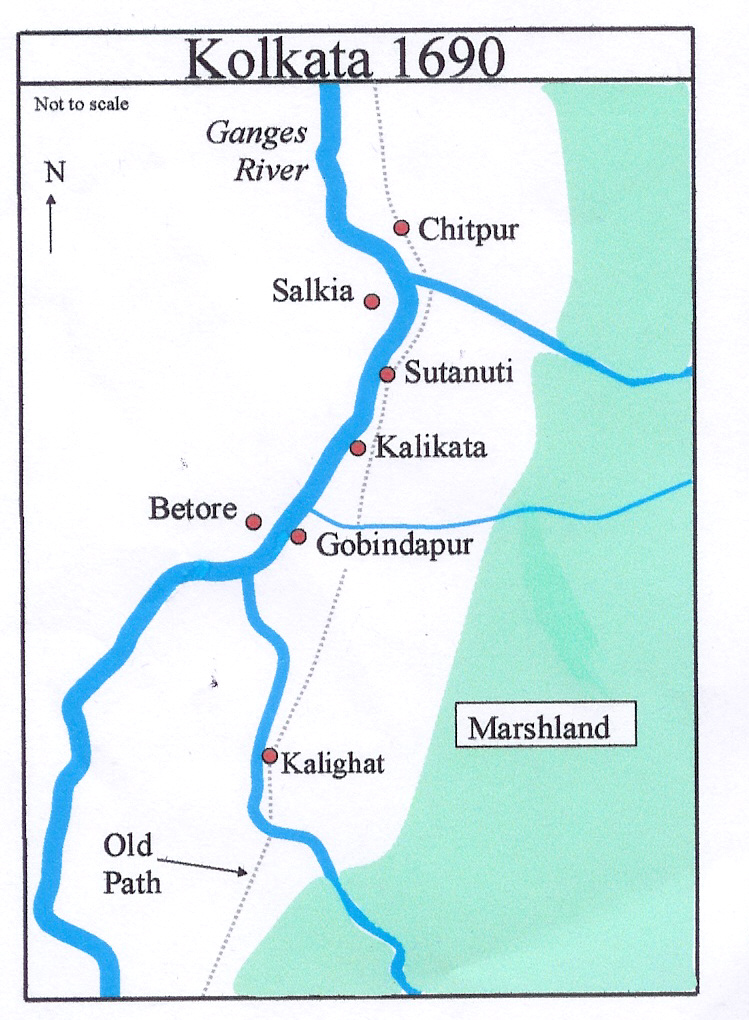
    That is, of course, a diverting folk myth about the etymology of the city. In truth, there is no definite answer to the question of how Kolkata got its name and when. Before we go into the question of etymology, a brief history lesson: Job Charnock arrived in India in 1655/56. In 1686, he became the chief agent of the East India Company. His original headquarters were at Hugli/Hooghly on the eponymous river, but he had to move due to the threats of the Mughal viceroy. In 1698, he bought three villages—Gobindapur, Sutanuti, and Kalikata—from the Sabarna Roy Choudhury family to establish the new headquarters.

    To this joint area was given the name Calcutta as the British couldn’t pronounce Kalikata. The city grew from there to the one we know today over the next few centuries. For this reason, Job Charnock was considered the “founder” of Calcutta for a very long time. In 2003, the Kolkata High Court ruled that he couldn’t be considered as such since the area had been inhabited from long before his arrival there.

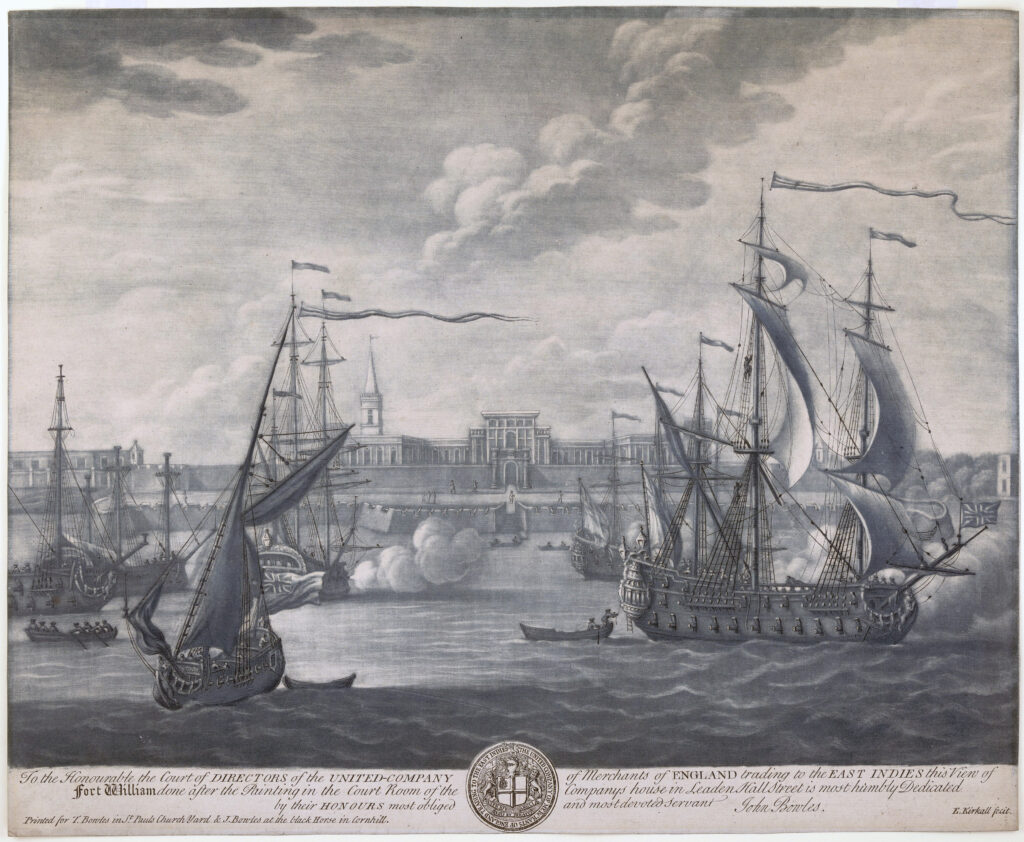
    Elisha Kirkall (c. 1682–1742), Public domain, via Wikimedia Commons

    Returning to the etymology of the name, the most popular theory is that the name comes from “Kalikshetra” meaning “land of Kali”. Given the preponderance of Kali worship in Bengal, and specifically in Kolkata, it is not unbelievable. That is also the interpretation I have used in my series City of Kaali. In fact, the netherworld below the modern-day Kolkata in the story is called “Patala Kaalikshetra”.

    Some connect the name Kalighat to the modern-day name. Since Kalighat is a believable derivation of Kalikshetra, and a place named Kalighat has existed in Kolkata (or Kalikata) for centuries, this could be a probable origin of the city’s name. Kalighat might be the “middle-man” via which “Kalikshetra” reached “Kalikata”. Or it could very well be that both Kalikata and Kalighat are derived from Kalikshetra. There are a few other theories about how the city got its name: from Kilkila (meaning flat area), from Khal Kata (dug a canal), or from Koli Chun (Quicklime) and Kata (coir), two products for which the area was known.

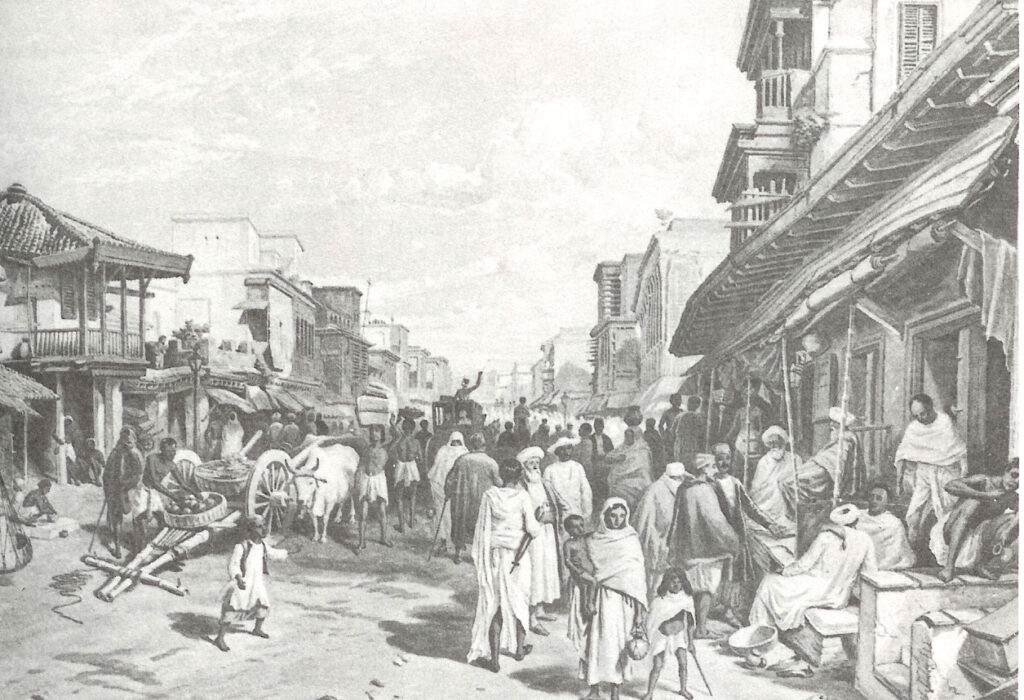
    William Simpson, Public domain, via Wikimedia Commons

    Whatever be the actual origin of the name, what is known for certain is that it has been around for over two millennia. Evidence of this has been discovered through the archaeological study of Chandraketugarh, a site 35 km north of Kolkata. Texts from the 15th, 16th, and 17th century also refer to the village: Bipradas Pipilai’s Manasa Vijay (1495), Mukundaram Chakrabarti’s Chandimangal (1594), Todar Mal’s taxation list in the Ain-i-Akbari (1596), and Krishnaram Das’s Kalikamangal (1676/77).

    In 2001, as part of an attempt to shed the colonial legacy, the city was officially renamed as Kolkata from Calcutta. However, you will still find people, especially among the older generations, who sometimes use the older name. Several institutions too retained the word Calcutta in their names, which only makes the Kolkata-Calcutta conundrum more complex and confounding! Interestingly, in Bengali, the village (and later, the city) had been called Kalikata for centuries. It was only with the simplification of the Bengali language that Kalikata became Kolkata in Bengali.

    P.K.Niyogi, CC BY-SA 3.0 http://creativecommons.org/licenses/by-sa/3.0/, via Wikimedia Commons

    For those who are interested in knowing what happened to the original villages and whether they still exist in any form or shape, the answer is yes. Though no longer distinguishable as independent villages or even specific locations, they do exist as historical localities. Sutanuti which, as the name suggests, was a trading hub for yarn and cotton, was in the northern part of the modern city. It encompasses areas like Shyambazar, Hatkhola, and Bagbazar. The name itself survives in the metro station name of Sovabazar Sutanuti.

    Gobindapur village was the area where Fort William was built, and in the present day, the original location comprises the Maidan area and nearby localities of South Kolkata. Kalikata, which had been a fishing village, was situated between Sutanuti and Gobindapur. It had been known for the Kalighat temple. In the present city, the areas of Esplanade and Dalhousie Square.

    Thanks to our colonial legacy, many believe that Kolkata/Calcutta sprung into existence thanks to the benefices of Job Charnock and the East India Company. That belief, as we now know, couldn’t be further from the truth. Such is the case of many places in our ancient country. And I hope that this rather meandering discussion on the etymology and establishment of Calcutta/Kolkata will encourage you to explore your own towns and cities and their heritage. If you know anything more about ancient Kolkata or about your own town/city/village’s pre-colonial story, do let me know in the comments.

    #AtoZChallenge

    #BlogchatterA2Z

    #Kolkata

    #cityofkaali

    #kolkataetymology

    This post is a part of Blogchatter A2Z Challenge 2026
  • J is for Jhale-Jhole-Ambale

    J is for Jhale-Jhole-Ambale

    Hi folks!

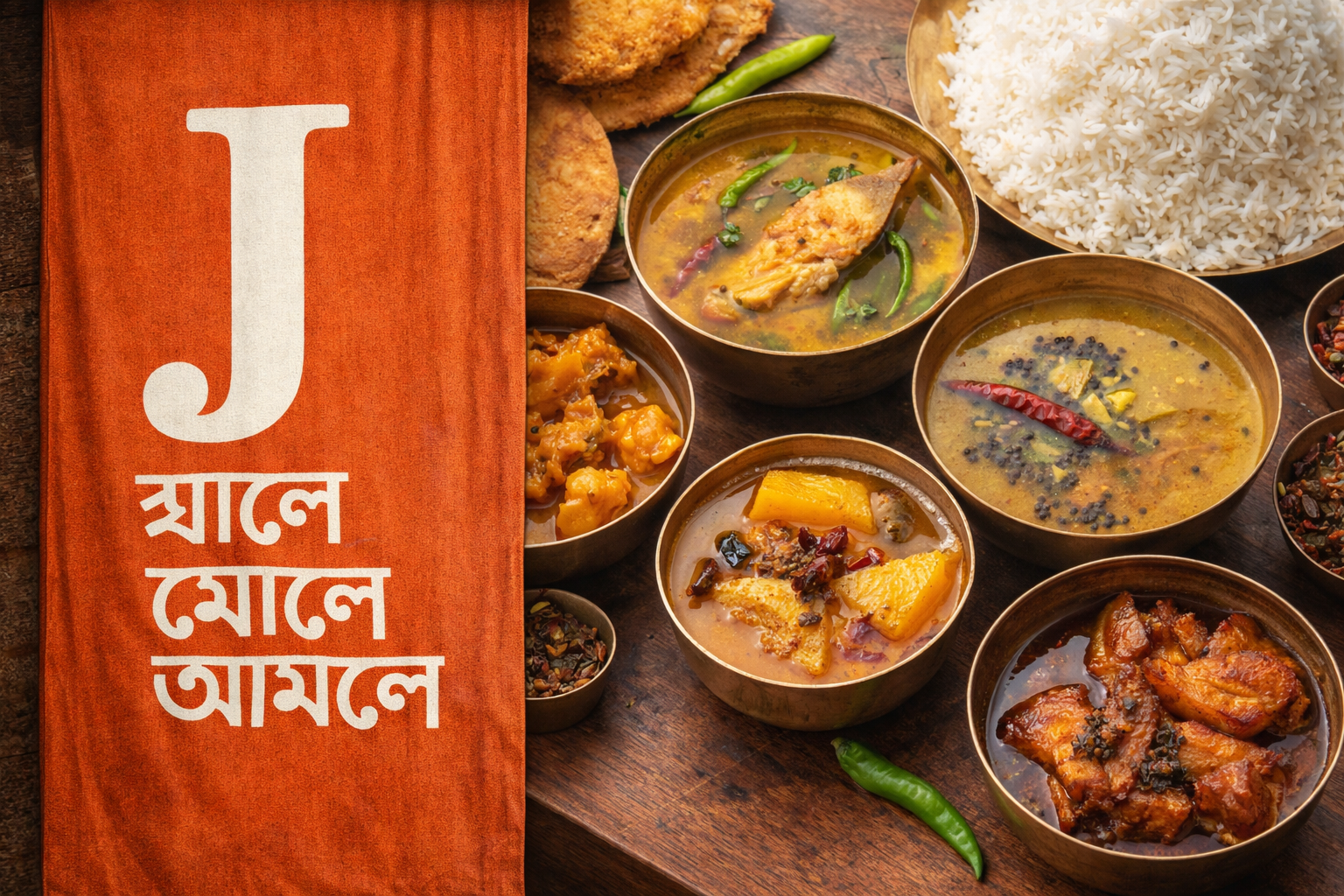
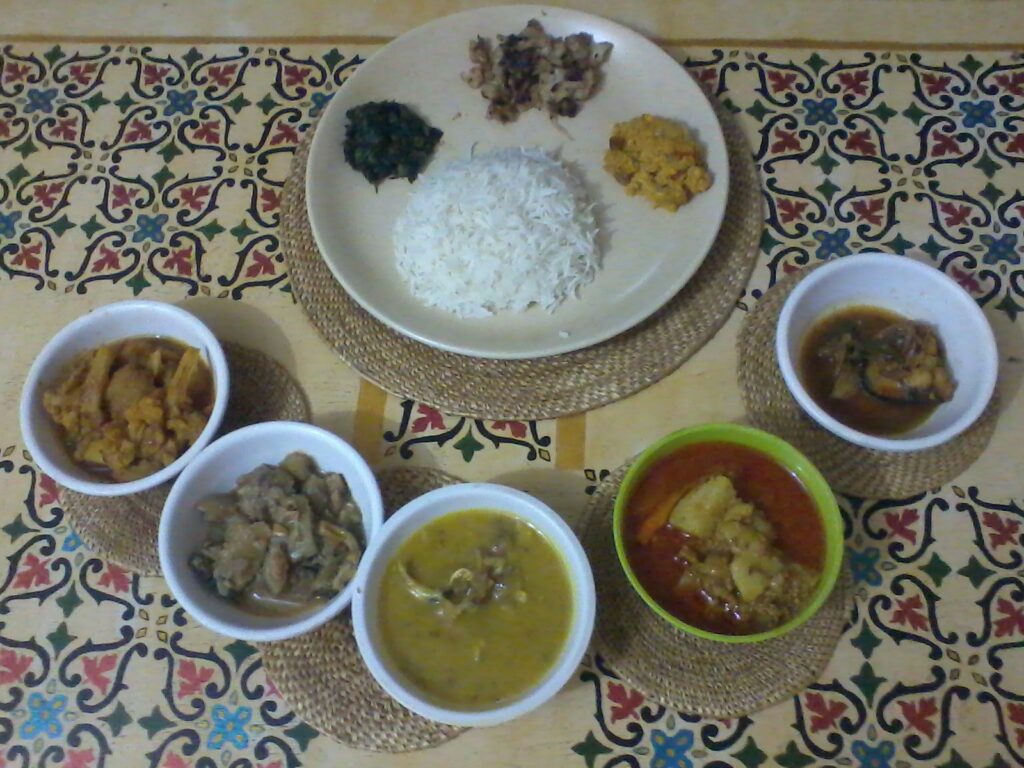
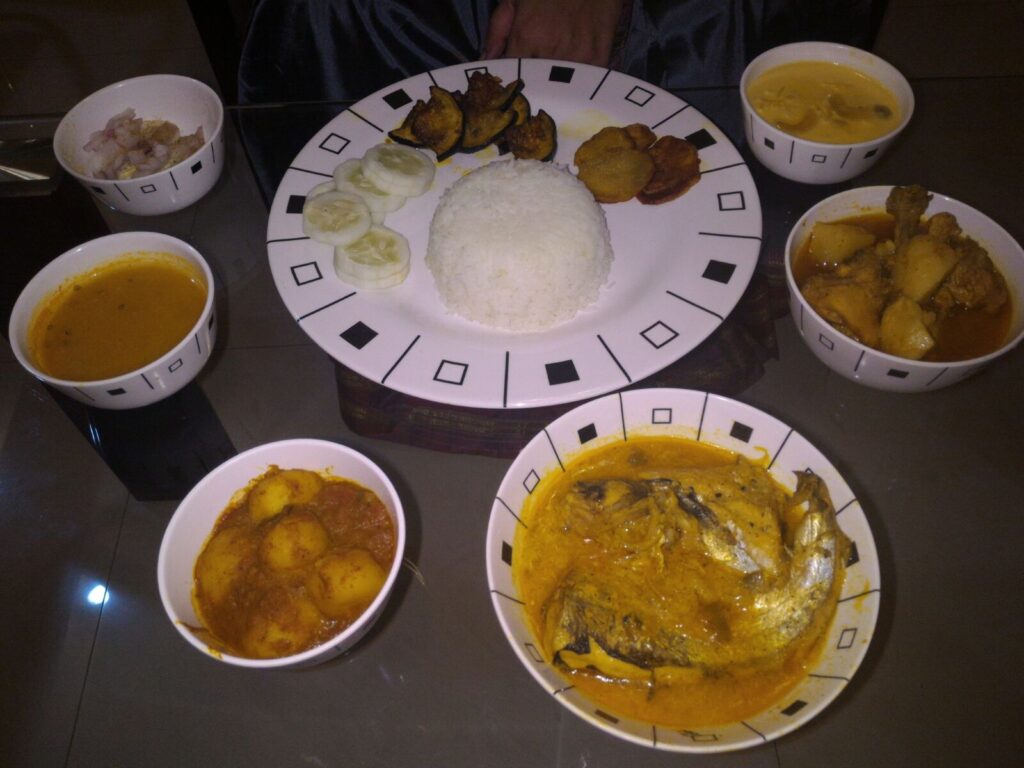
    If you walk into a Bengali restaurant, you will be greeted by delicious dishes with thick gravies and rich preparations. That is also the kind of food you will often find my series’ main character, Manik, eating. While such dishes form an important and appealing part of Bengali cuisine, they don’t necessarily represent all of it. In fact, the main body of Bengali cuisine is made up of far more simple dishes—embodied by the saying “Jhale-Jhole-Ambale-Machhe-Bhate Bangali”, meaning (roughly translated) “Bengalis live on hot curry, light gravy, sour gravy, fish, and rice”.

    Fair warning, I am not a professional chef or an “expert” at Bengali cuisine. I have, however, been cooking “regular” Bengali food for myself and my family for over three decades. Food is important to me, and not to brag, but I am a pretty decent home cook, especially of traditional Bengali dishes. My great ambition is to one day publish a cookbook of these dishes that I have inherited from my ancestresses who have added their own little twists to them. Anyway, here’s my attempt to share my thoughts and experience of basic food that is prepared in the kitchens of most Bengali families.

    Before we go to the types of dishes, it might be a good idea to talk about a few culinary terms. First is “phoron”. We Bengalis start many dishes by frying whole spices or other flavouring agents before adding the main ingredients. This is called phoron. A related term is “paanch phoron” which literally means 5 phorons. It is a mixture of 5 whole spices: cumin, nigella seeds, yellow mustard, fenugreek seeds, and fennel seeds. It gives off a pungent, garlicky fragrance and adds a slight tartness to the flavour. Another key term to understand is “jhol”. While also the name of a type of dish, it refers to the watery portion or gravy of any dish. So, in this post, if it is spelled as Jhol, it refers to the dish, and if spelled as jhol, the word refers to the gravy.

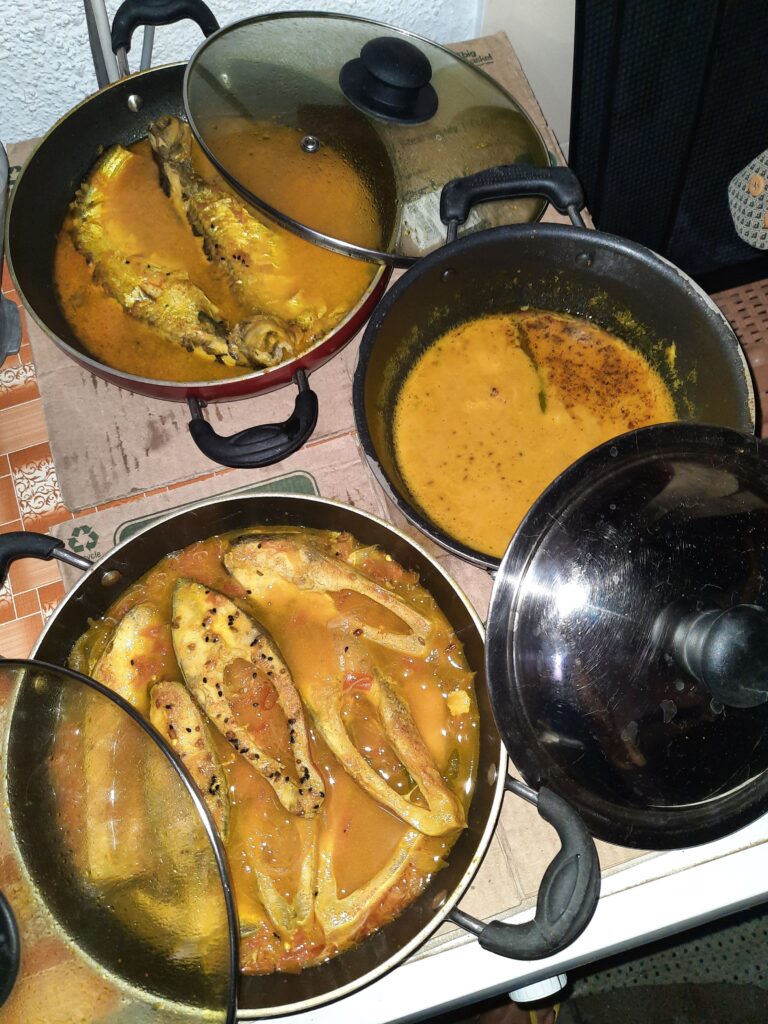
    Photograph by Writa Bhattacharjee

    Let us start with Jhal or hot curry. “Jhal” literally means “hot” or “fiery”. It is one of the most popular types of curries prepared in households. The phoron is usually nigella seeds or paanch phoron. Green chillies are almost invariably used for the heat, though sometimes red chilli powder and mustard paste are also used to create a more layered flavour profile. Its jhol is less in volume and comparatively dense. Popular ingredients for Jhal include fish, meat, boiled eggs, cauliflower, brinjals, etc.

    The next item is Jhol, and it is immensely popular in the current season. Jhol is usually made with a phoron of cumin, nigella seeds, paanch phoron, or other common whole spices. The ingredients are usually those that retain a solid or mostly-solid texture after cooking. This type of dish is very light with a lot of watery jhol. Seasoning is very basic with salt and turmeric powder being the most common ones. Because it is not a glamorous item, it isn’t often found in its true form in restaurants. Popular ingredients include green papaya, cauliflower, green banana, brinjal, potato, fish, eggs, chicken, etc.

    The third item in this list is Ambal or Tok (meaning Sour), which is unfortunately going out of popularity slowly. It is also one of the most confusing types of dishes in Bengali cuisine. You will find it variously described as a runny chutney, a tangy condiment, a liquid pickle, and so on. However, in any self-respecting Bengali cookbook, it finds its place firmly under curries, both vegetarian and non-vegetarian. It is, essentially, a sour curry made with tamarind paste or seasonal sour ingredients like raw mangoes or elephant apple (seriously! It’s like every other fruit is an “apple” of some kind!!!). Popular main ingredients include fish and various types of vegetables.

    Photograph by Writa Bhattacharjee

    Now, going beyond the titular dish types, let me talk about Ghanto. It stands apart from the previous three by dint of being a dry item rather than one with jhol. It is made with shredded vegetables like raw papaya, banana flower, radish, raw jackfruit, etc. Phoron is usually dried bay leaves, dried chillies, and cumin. Sometimes diced potatoes, Bengal gram, or bodi (dried lentil nuggets) are added. Its taste can range from slightly sweetish (though not sweet) to quite hot. A unique exception is Muri Ghanto, which is made with fish head and rice rather than vegetables.

    Not to be confused with the previous item, the next one on our list is Ghaent or Chochchori. Another dry or semi-dry dish, it is a mishmash of ingredients, typically those that become semi-solid or mushy when cooked, e.g., pumpkin, brinjal, various green leafy vegetables, etc. These might be mixed with items that retain their texture (like potatoes) as well as non-vegetarian ingredients like (of course!) fish. Phoron is often paanch phoron, and the flavour profile is non-spicy. It’s one of the best items to make when you have a little bit of many ingredients in the house but not enough of any to make a whole dish.

    A similar item to Chochchori is Shukto, though the flavour profile is predominantly a combination of bitter (through use of bitter gourd) and bland, with just a tiny amount of heat and sweet to balance out the bitter. It is an excellent palate cleanser and a great item to have during the summers. Again, it is an item with a mixed texture and almost no jhol. Oddly enough, it is also one of the dishes most restaurants (and people) don’t do well. One of the most complex dishes in Bengali cuisine, Shukto can be made with watery ingredients like gourd, raw papaya, green leafy vegetables, etc. A dash of poppy paste and mustard paste are often added.

    Photograph by Writa Bhattacharjee

    The last dish type I’ll discuss is texturally somewhere between wet and dry: Dalna. The name might be misleading as it includes “Dal”, but it literally means “not Dal”, though I have no clue why. It is also the richest of the regular items made in Bengali homes, with onion, garlic, and tomato pastes often used to make the base gravy. It also uses garam masala as a key flavouring agent. Again, you can have both vegetarian and non-vegetarian Dalna, with ingredients like chhana (paneer), eggs, cauliflower, raw jackfruit, pointed gourd, etc. being popular.

    The daily culinary palette of a regular Bengali household includes many other types of simple, healthy, yet tasty dishes like Dal, Chhenchki, Chhakka, Shaak, etc. I am not going into all of those to avoid making this post too long. But the next time you are at a Bengali restaurant or going to eat at a Bengali friend’s house, do try out some of these. And keep an eye on the next books in the City of Kaali series to see if Manik manages to transition to a healthier diet!

    #AtoZChallenge

    #BlogchatterA2Z

    #Kolkata

    #cityofkaali

    #bengalicuisine

    #bengalifood

    This post is a part of Blogchatter A2Z Challenge 2026
  • I is for The Indian Museum

    I is for The Indian Museum

    Hi folks!

    The first time I stepped into the Indian Museum, I was spellbound by the grandeur and variety. It was as if it contained the entirety of human history and evolution, especially the Indian kind, within its walls. I spent several hours exploring its various halls and exhibits. When I finally left because my legs couldn’t move one more step. I have mentioned in a previous post that you can spend the whole day here, and I stand by that claim. The Indian Museum is an experience you should embrace at least once in a lifetime, if not more!

    © Vyacheslav Argenberg, CC BY 4.0 https://creativecommons.org/licenses/by/4.0, via Wikimedia Commons

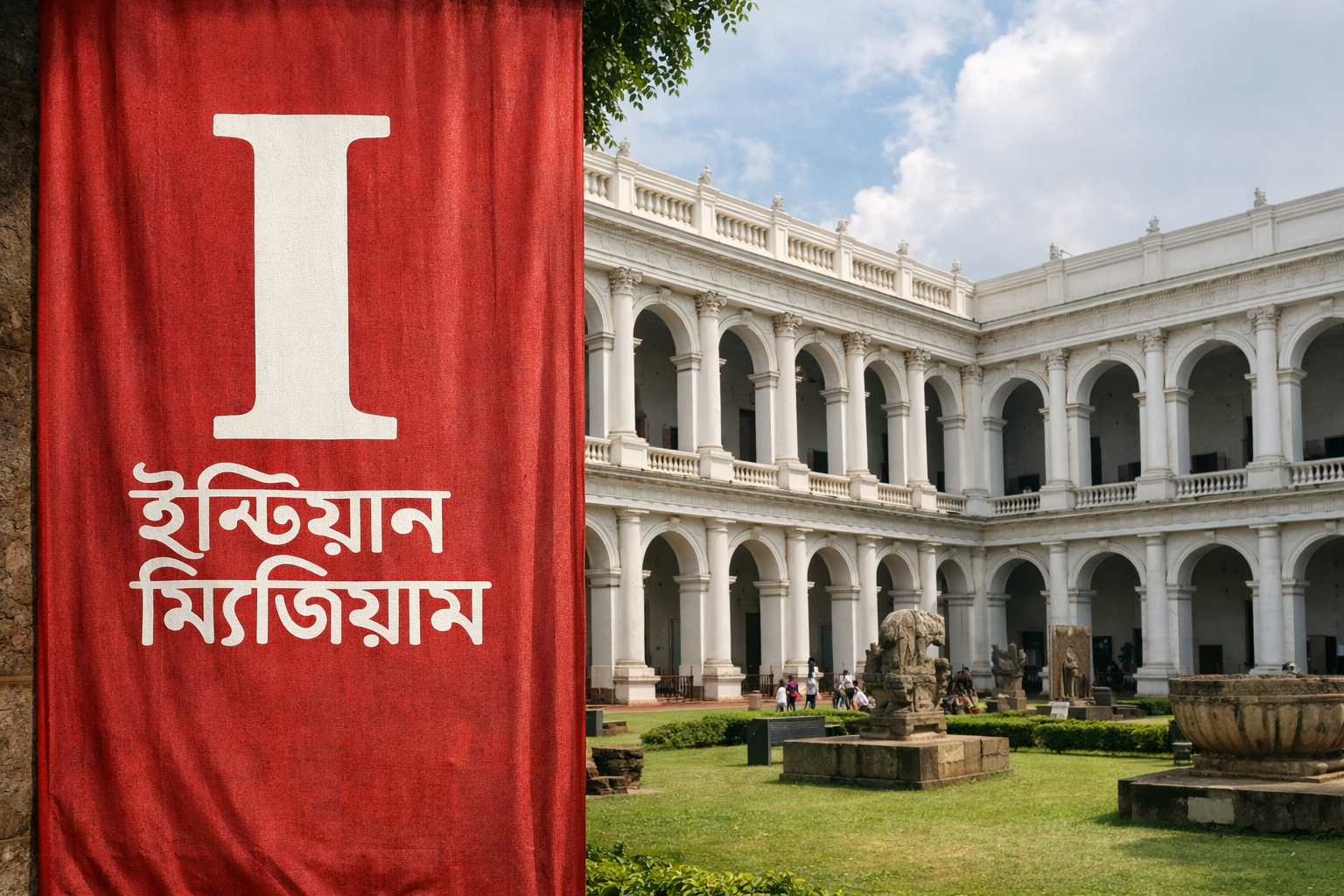
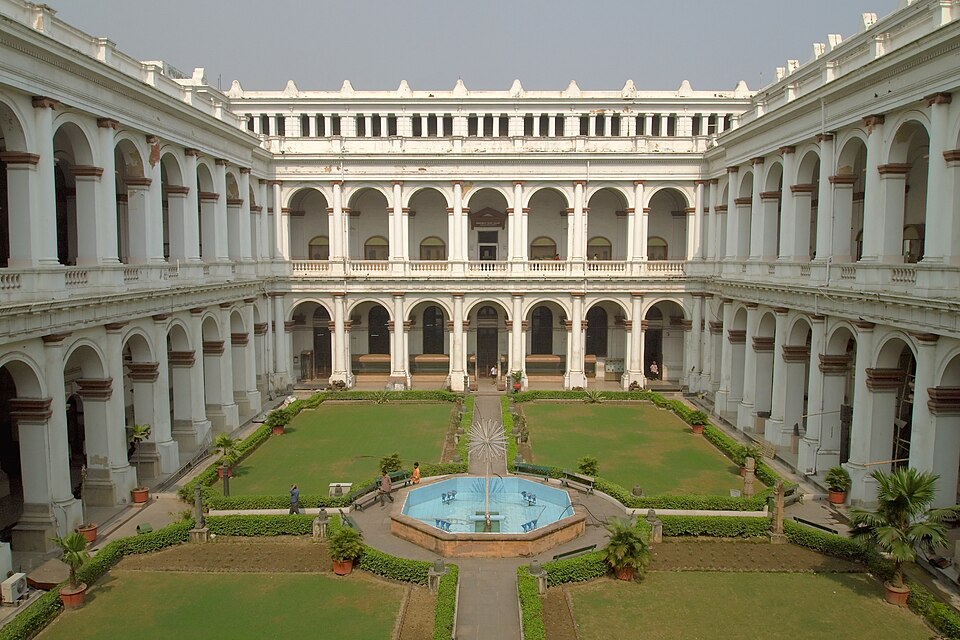
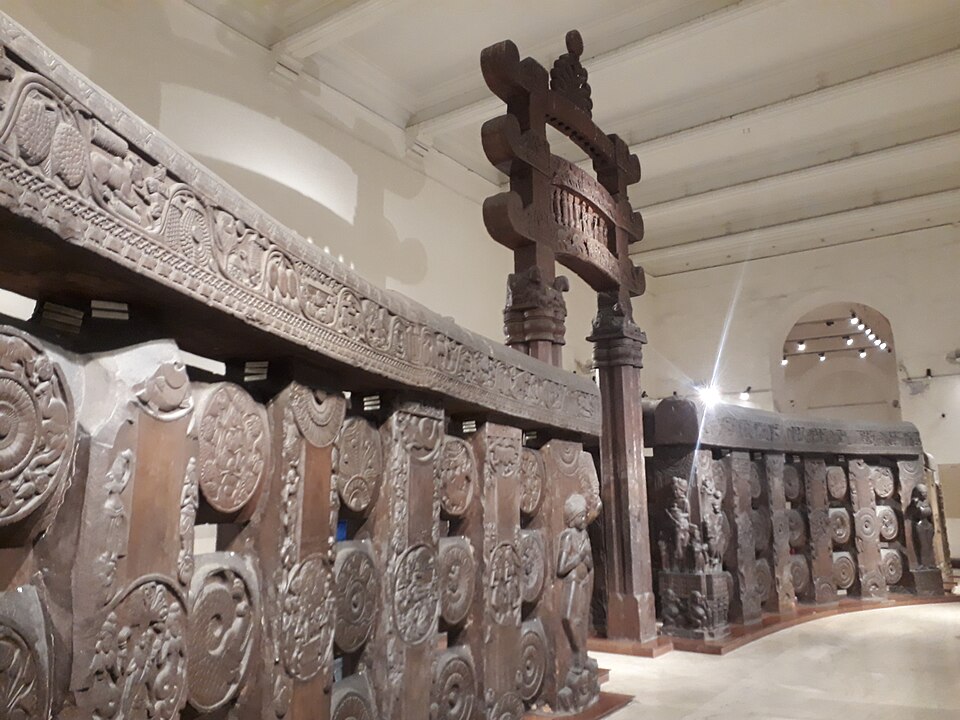
    Established in 1814 by the Asiatic Society of Bengal, it is the largest and oldest museum in Asia-Pacific. It is also the ninth-oldest museum in the world! With its grand Italian-inspired architecture with massive white pillars and high ceilings, the building itself would be worth a visit if the exhibits inside didn’t outshine it in magnificence. One of the first things I ever encountered there was the Torana or gateway of the Bharhut Stupa. Gazing at the magnificent architecture of the Torana and segments of the wall, my mouth literally fell open. It was as if I’d walked into 2nd Century BCE India!

    Pinakpani, CC BY-SA 4.0 https://creativecommons.org/licenses/by-sa/4.0, via Wikimedia Commons

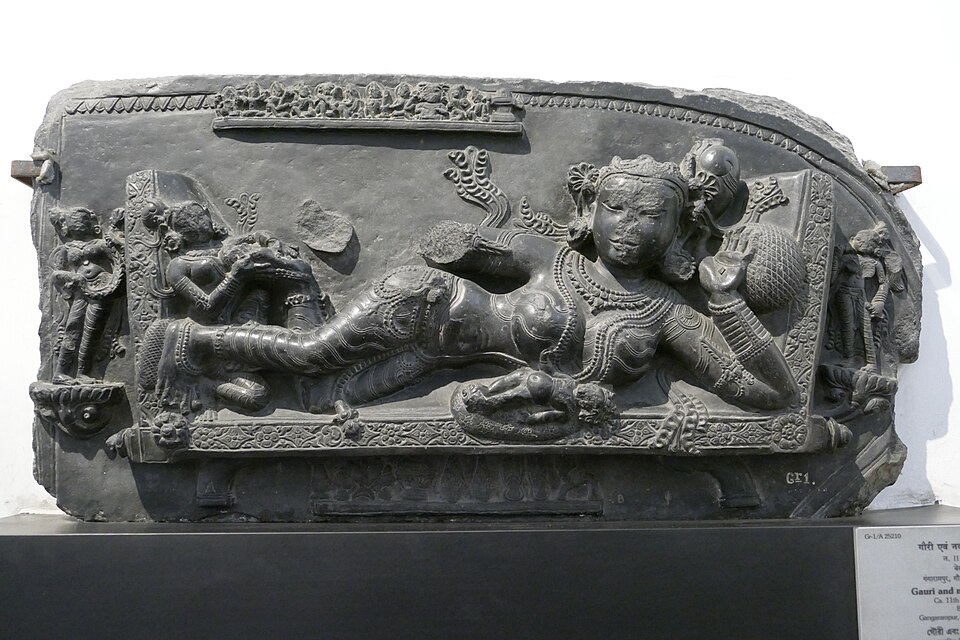
    Being a history fan, I always make a beeline for the Archaeological marvels housed in the Indian Museum whenever I visit. This includes, apart from the Bharhut Gallery mentioned above, the Gandhara Gallery and exhibits from the Indus Civilisation, including a Unicorn Seal. Stunning sculptures from temples, Inscriptions of rulers whose names we’ve read in history books, as well as art and sculpture from other South Asian countries are mesmerising. You can’t help feeling a sense of great pride in your country’s past, it’s heritage.

    Kritzolina, CC BY-SA 4.0 https://creativecommons.org/licenses/by-sa/4.0, via Wikimedia Commons

    These days, the Indian Museum also contains an Egyptian gallery. Along with other beautiful and significant Ancient Egyptian artefacts, it also houses a 4000-year-old Egyptian Mummy! How thrilling is that! It is only one of six mummies in India and the first to be displayed in the country. To prevent damage and decay, this ancient mummy is kept in a specially insulated case. Talk about Atithidevo Bhava! As a fan of the Mummy movies and Egyptian mythology and history, I absolutely love paying a visit to this long-term Egyptian expat.

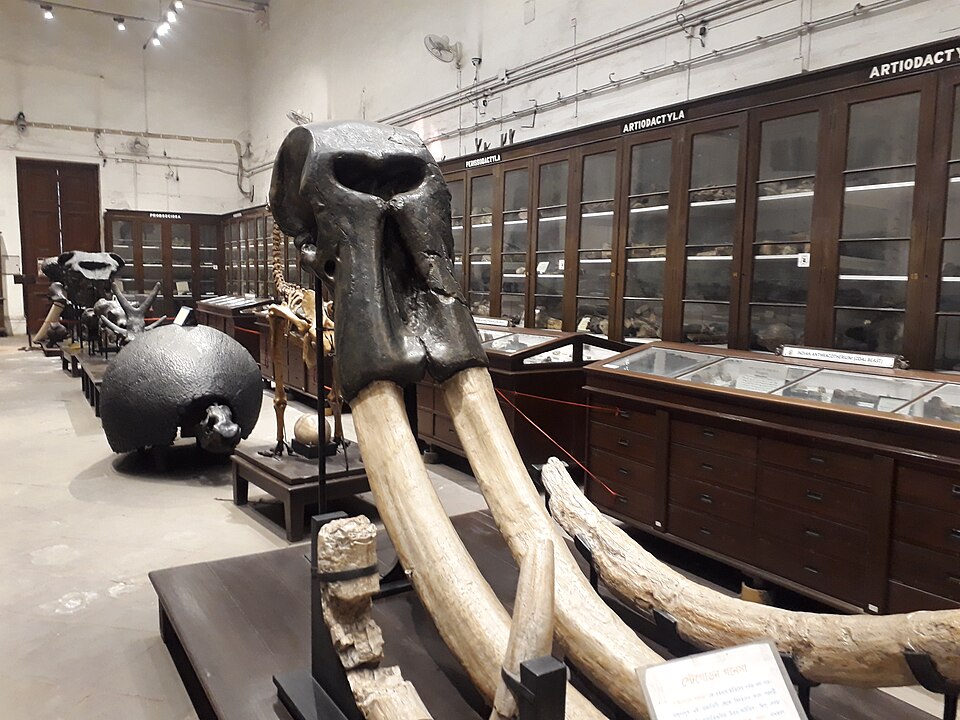
    Another of my favourite galleries is the Natural History Gallery, as unlikely as that might seem. The massive whale skeleton, Blue Whale lower jaw, various fossils including a dinosaur egg, woolly mammoth tusks, and numerous other skeletons and taxidermied specimens are an education in the power of evolution. You are forced to wonder about your place in this world full of almost infinite variety and constant change. It also makes you wonder why humans feel like they own the world when we are just a blip in the evolutionary history of the planet!

    Pinakpani, CC BY-SA 4.0 https://creativecommons.org/licenses/by-sa/4.0, via Wikimedia Commons

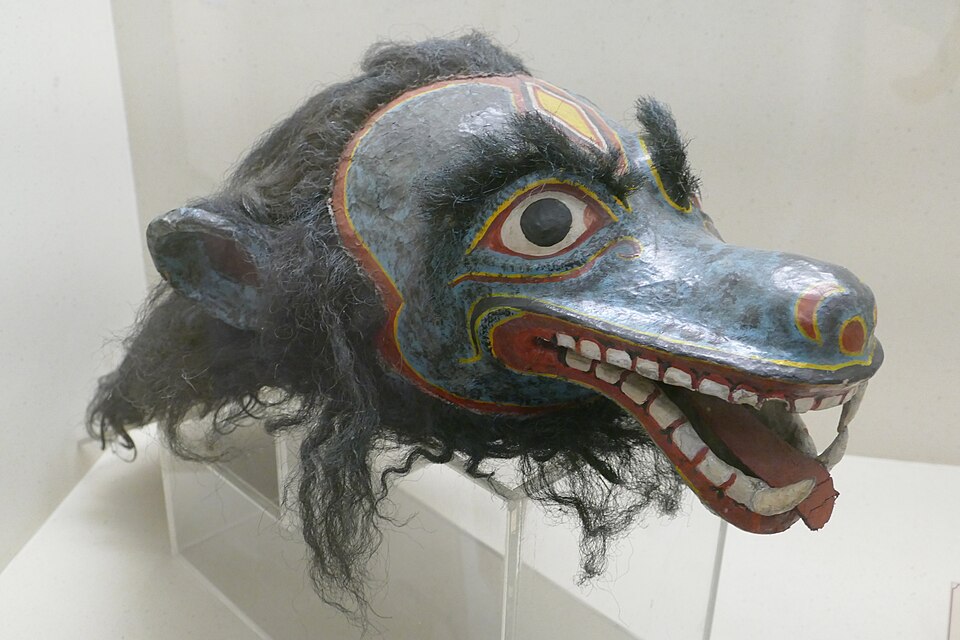
    Besides these galleries, the Indian Museum also hosts an Industrial Botany Gallery, a Bronze Gallery that contains a spectacular selection of bronze artefacts from the distant past, a Numismatics Gallery (Coins, for those who are unfamiliar with the term) with more than 50,000 specimens from across South Asia, an Insect Gallery, which is not for the faint of heart, a Birds and Fish Gallery, which I generally avoid due to my Ornithophobia, a Textiles Gallery, a fascinating Masks Gallery, and many more. As I’ve said before, you can spend the whole day here and still feel like there’s much left to see.

    Xopolino, CC BY-SA 4.0 https://creativecommons.org/licenses/by-sa/4.0, via Wikimedia Commons

    The Bengali name for the Indian Museum (or any museum) is Jaadughar, which means “House of Magic”. I like that name because it hints at the power that museums have of transporting us beyond the current time and space into a world that is simultaneously familiar and strange. I know that it is fashionable to consider museums as “boring” but the truth is that they are the repository of our identity as a species, as a culture, and as a nation. I am fascinated by the stories their exhibits tell and the stories that remain as subtext, something that I would love to explore in one of the later books of my City of Kaali series.

    #AtoZChallenge

    #BlogchatterA2Z

    #Kolkata

    #cityofkaali

    #indianmuseumkolkata

    This post is a part of BlogchatterA2Z Challenge 2026
  • H is for Hemendra Kumar Roy

    H is for Hemendra Kumar Roy

    Hi folks!

    What’s your favourite book? Who’s your favourite author? Which book inspired you to become a writer?

    I’ll be honest, I don’t like questions like these. Because it’s impossible to pick one book or one author as a “favourite”. As someone who’s been reading books since childhood, I have loved many authors and many books in my life. And I keep discovering more all the time. So, the right question to ask me probably would be: Which authors or books would you happily read multiple times? The answer to this question is, obviously, in the plural, but today I’m going to discuss one of the names that would definitely make it to the list.

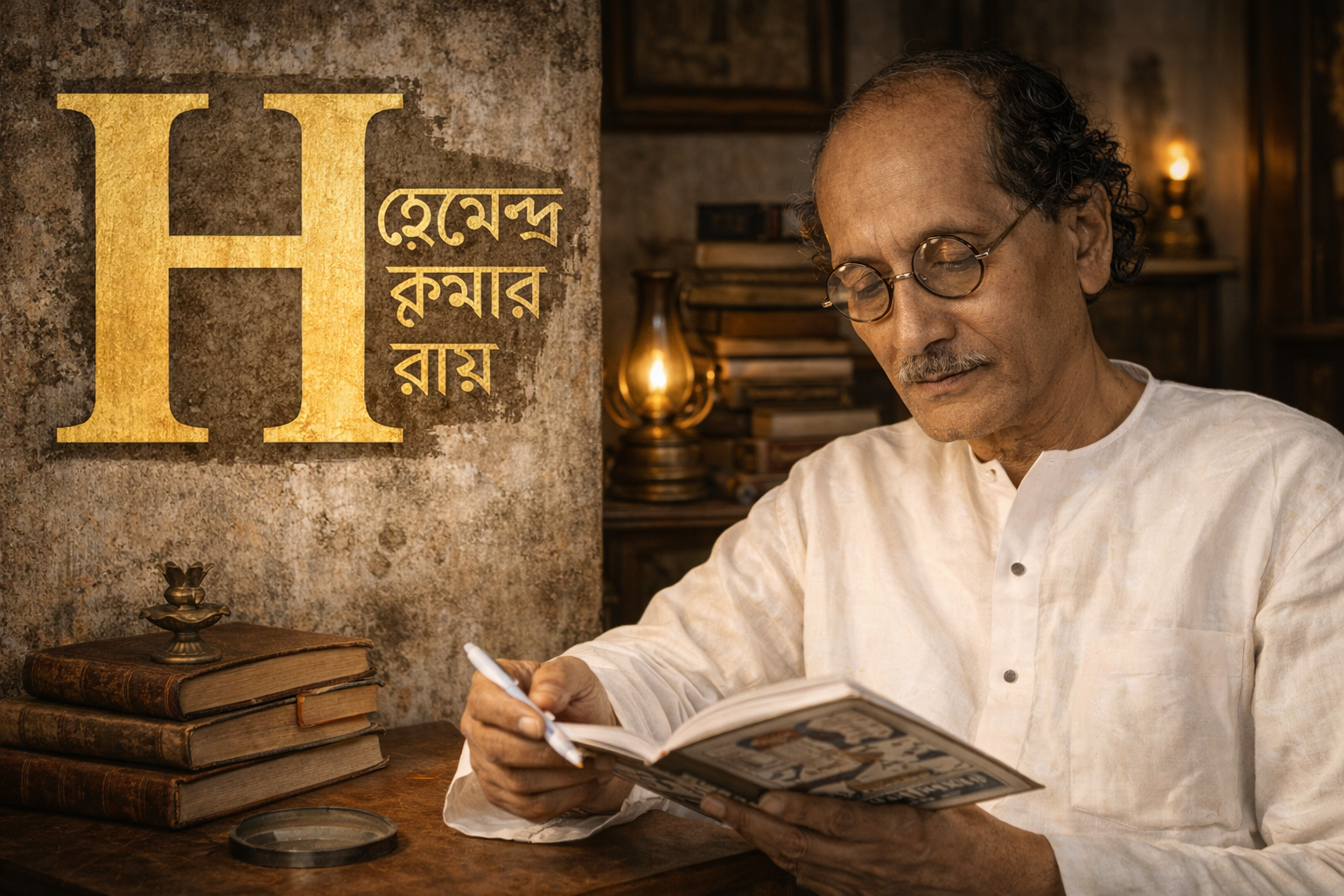
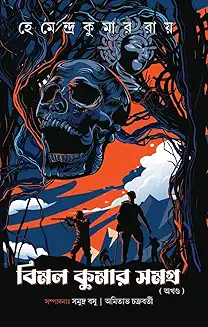
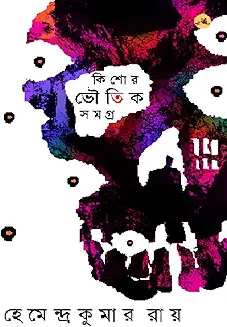
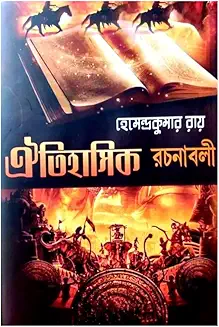
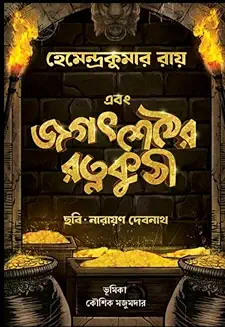
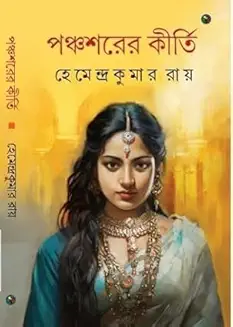
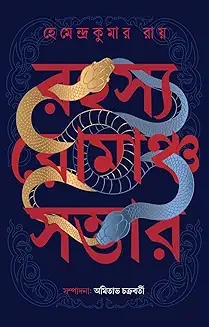
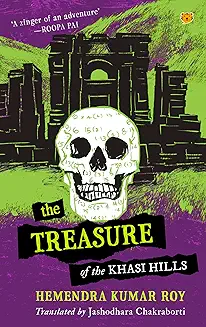
    I discovered Shri Hemendra Kumar Roy through his timeless classic Jokher Dhan. My first encounter with the book was my mother reading it to me. Once I started reading books on my own, this was one of the first books I read. A thrilling tale of adventure and treasure hunting, it undoubtedly shaped my taste in books and movies. Even now, adventure and treasure hunt stories are close to my heart. Through this book, I was introduced to the inimitable duo of Bimal and Kumar, as well as their redoubtable manservant Ramhari and their dog Bagha. Later I was to learn that this was not the only adventure of the daredevil duo that Shri Roy wrote. There are a total of 31 novels and stories of this duo, including some set abroad.

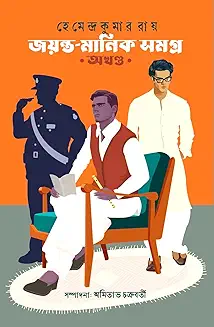
    The other famous duo created by Shri Roy are the detectives Jayanta-Manik, about whom I have written in my post D is for Detectives of Bengali Fiction. These two amateur sleuths live in Kolkata and solve crimes, often helping police inspector Sundar Babu in his cases. They are intelligent, brave, physically fit, and patriotic young men. Possibly the first completely original indigenous pair based on the Sherlock-Watson model in Bengali literature, Jayanta and Manik took the market by storm. Even now, the pair remain highly popular among readers, with the complete collection including 27 novels and 25 stories.

    Shri Hemendra Kumar Roy was a highly prolific author who wrote many other novels and stories besides these two series. His works, which number in the hundreds, built the foundation of the Juvenile or Young Adult genre in Bengali literature long before the genre was part of the consciousness of popular readership. Including adventures, mysteries, humour, horror, science fiction, and the supernatural, his books appeal both to young readers and adult despite the target audience being the young. His books were instrumental in introducing reading as a hobby to many in the early and mid-twentieth century.

    Some of the better known of his books for juvenile readers, apart from the two series mentioned above, are Moynamotir Mayakanan (fantasy), Jader Naame Sabai Bhoy Paay, Manush-Pishach, Morar Mrityu (horror), Meghduter Mortye Agomon (science fiction), Dedhsho Khokar Kando (Adventure), Tara Teen Bondhu (comic series), and Ratrir Jatri (detective fiction). He also wrote novels and stories of many hues for adults. His works for adults include Aleyar Alo, Jaler Alpona, Jharer Jatri, Pather Meye, and many others.

    Shri Hemendra Kumar Roy wasn’t just an author. He was also a painter, an editor for magazines like Nachghar, Mouchak, and Rongmoshal, a poet whose lyrics were put to music and sung by legends like Sachin Dev Burman, Manna Dey, Kazi Nazrul Islam, and Kanai Dey. He even choreographed Shishirkumar Bhaduri’s Seeta. He translated and adapted many foreign works into Bengali, such as the Rubaiyat of Omar Khaiyyam, Lewis Carroll’s Alice in Wonderland, H G Wells’s The Invisible Man, Bram Stoker’s Dracula, Alexandre Dumas’s Count of Monte Cristo, Enter the Saint by Leslie Charteris, King Kong by Edgar Wallace, Conan Doyle’s The Hound of the Baskervilles, and others.

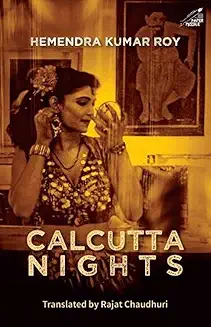
    Many of his works have been adapted into film and television, with Jokher Dhan receiving multiple adaptations. His story Nishithini Bibhishika was adapted into a Bengali film titled Jighansha (1951) and into the hit Hindi film Bees Saal Baad (1962). Other adaptations include Dedhsho Khokar Kando, Abar Jakher Dhan, and Ratrir Jatri. Many of the Jayanta-Manik and Bimal-Kumar stories have been adapted into popular podcasts. His story Sindur Chupri and his work of poetry titled Jouboner Gaan were translated into German by Dr Reinhart Hobner, while Jakher Dhan was translated into English.

    What set his stories apart was the inherently Indian sensibilities of his characters. In an age when nationalism was rising, creating confident, physically competent, courageous, and patriotic characters met the growing demand for literature that fit the national sentiment. These were characters and settings that the youth could relate to and emulate, in a language that was their own. His works set the tone for anti-imperialistic popular fiction, which ushered in a new era for Bengali literature. They also paved the way for authors like Premendra Mitra, Satyajit Ray, Nihar Ranjan Gupta, Sunil Gangopadhyay, and others.

    When I first started writing fiction some decades ago, Jokher Dhan consciously and subconsciously influenced my characters and stories. Even now, when I sit down to write about Manik and his (mis)adventures, I am aware of the extent of inspiration I draw from that and other books written by Shri Hemendra Kumar Roy. Is Manik a copy of his heroes? Absolutely not! Is he a successor of the type of character created by this colossus of Bengali literature? Very much so.

    Have you read any of his books, either in the original or a translated version? Would you like to? Let me know in the comments!

    #AtoZChallenge

    #BlogchatterA2Z

    #Kolkata

    #cityofkaali

    #hemendrakumarroy

    This post is a part of BlogchatterA2Z Challenge 2026
  • G is for Ghosts of Bengal

    G is for Ghosts of Bengal

    Hi folks!

    This post, from what I have seen on the internet, should come with a disclaimer. Being lazy, I’m just using a modified version of the one I put in Ageless Feud: This blog is meant purely for the entertainment and amusement of readers and is not intended to offend any person, group, or community. Nor is the blog meant to support belief in magic, superstition and supernatural forces.

    With the business of saving my skin over, let’s get into the real fun. Bengali folklore is full of spirits of the departed, and many of them have been finding their way into my series City of Kaali. But more about that later. For now, let me be a good host and serve you a delicious dollop of the deadly, with a scrumptious side of the shivers, followed by a healthy helping of the heebie-jeebies!

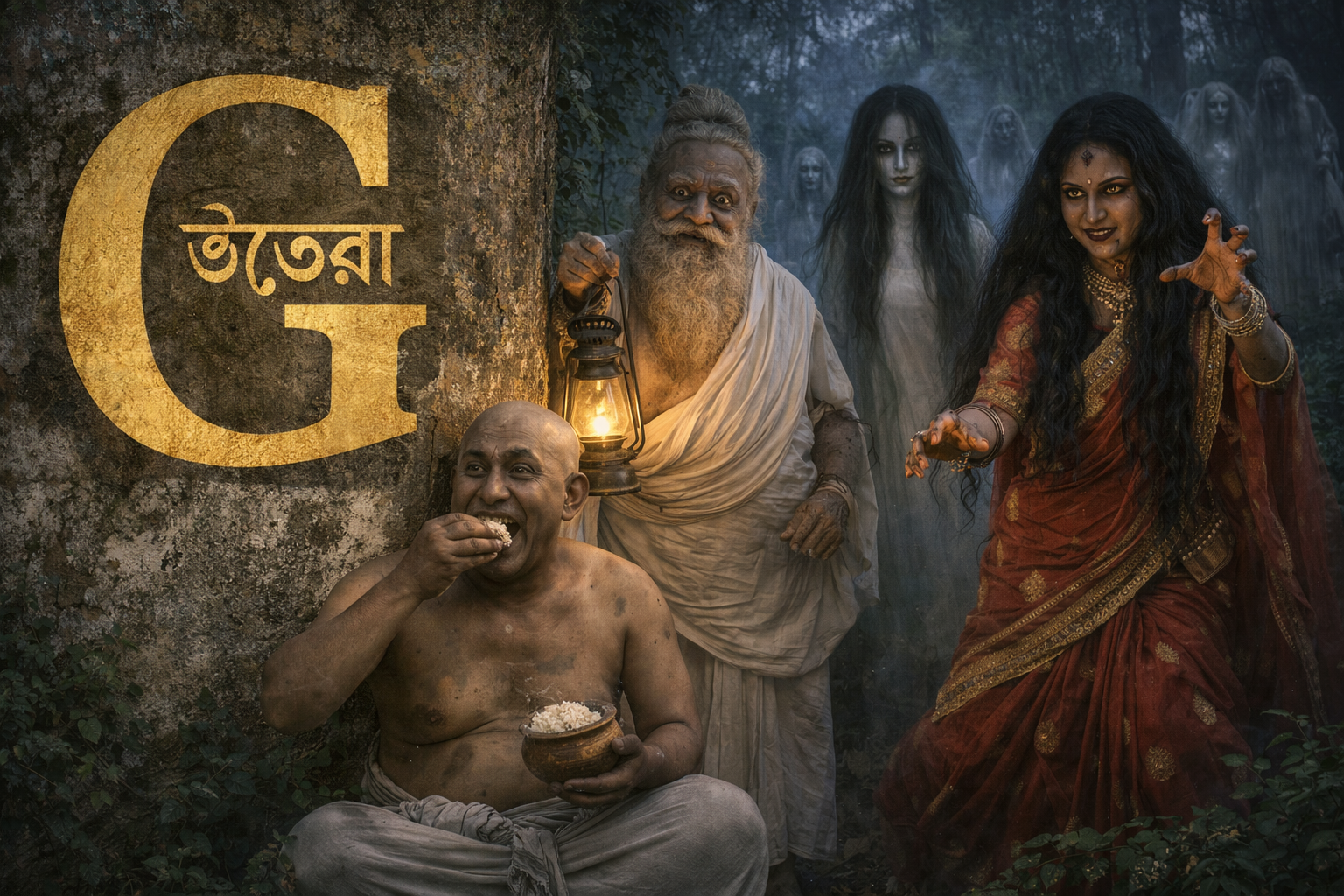
    A short note first: Bengali ghosts are a reflection of the folk culture of Bengal. Therefore, like Bengali people, they come in different castes, religions, genders, marital statuses, and so on. It is important to keep in mind that these legends have evolved over centuries, absorbing socio-cultural-economic-political conflicts and dynamics, and so should not be judged simply by modern standards.

    Made with Gemini

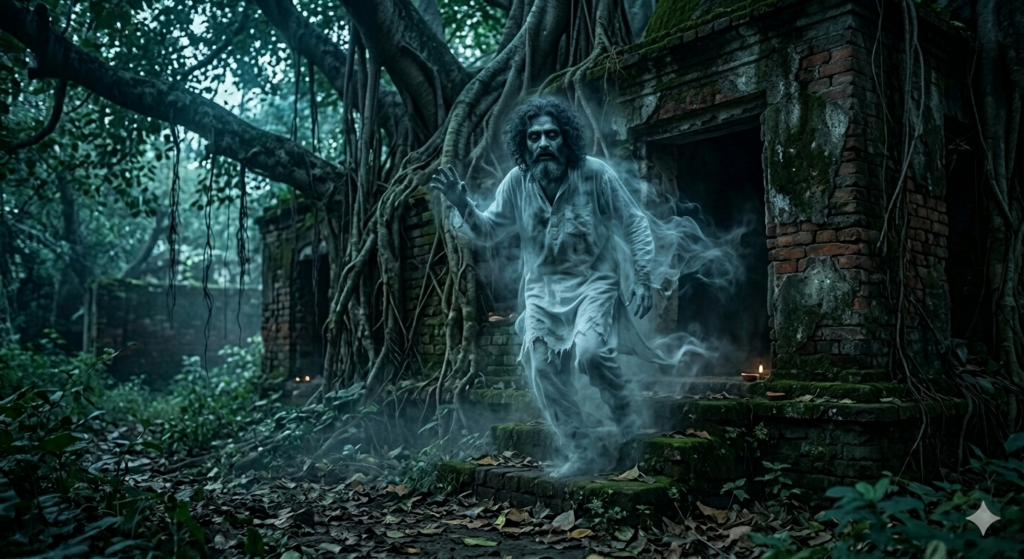
    Bhoot – The first one on the list is, of course, the most basic of the lot. A bhoot is the spirit of a dead person that cannot move on from this world. It is used to refer to a generic male ghost as well as a class appellate meant to distinguish ghosts from other types of supernatural beings.

    Made with Gemini

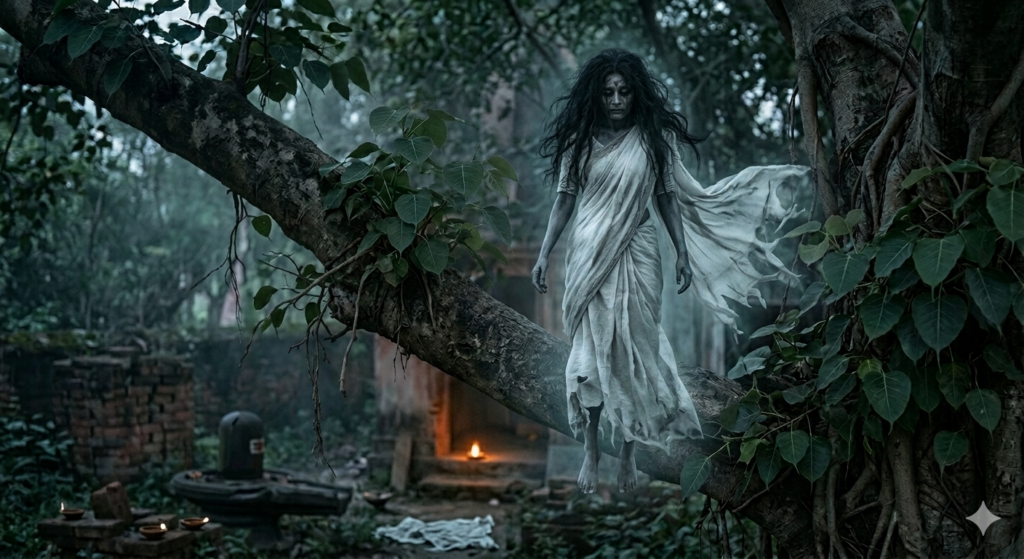
    Petni – The petni is the female equivalent of a bhoot. Now, you will get many blogs and websites saying that a petni is the ghost of an unmarried woman. However, nothing I have read in stories of folk tales or ghost stories supports that. There have been as many petnis from married as from unmarried women in those stories. PS: You WILL encounter two petnis in City of Kaali, and they are very important to the story.

    Made with Gemini

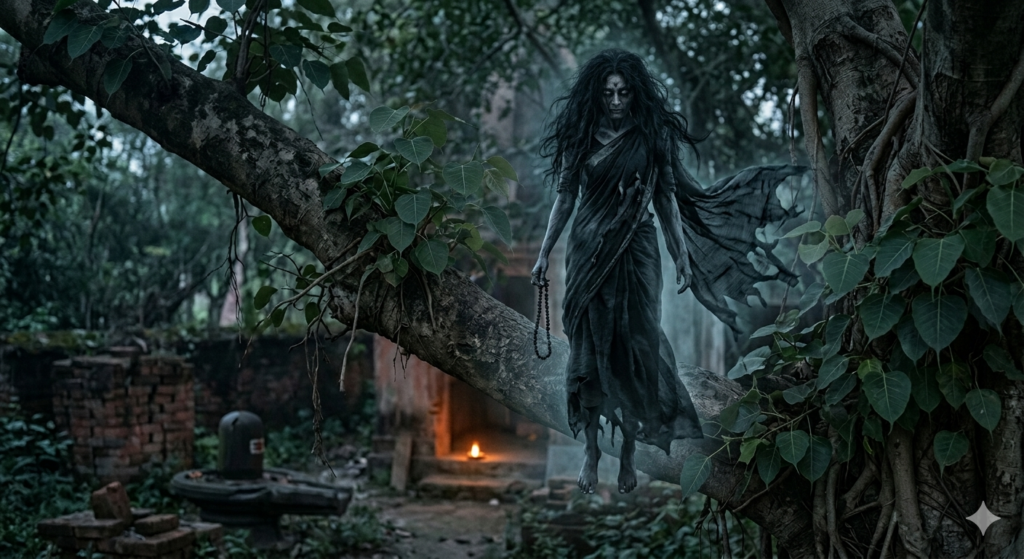
    Shankhchunni – A shankchunni is another type of female ghost that is highly misrepresented on the internet. Sites and blogs often claim that this is the ghost of a married woman because of the word “Shankh” in the name referring to the “shankha” that married Bengali women wear. They conveniently—or ignorantly—ignore the “chunni” part of the name, which derives from “churnika” referring to breaking. Shankhchunnis, therefore, are female ghosts who have broken their shankhas, i.e., ghosts of widows. PS: If this has intrigued you, you should definitely check out the Saat Shankchunni in Ageless Feud. I had great fun writing about this girl gang! Ok, shameless self-promotion over.

    Made with Gemini

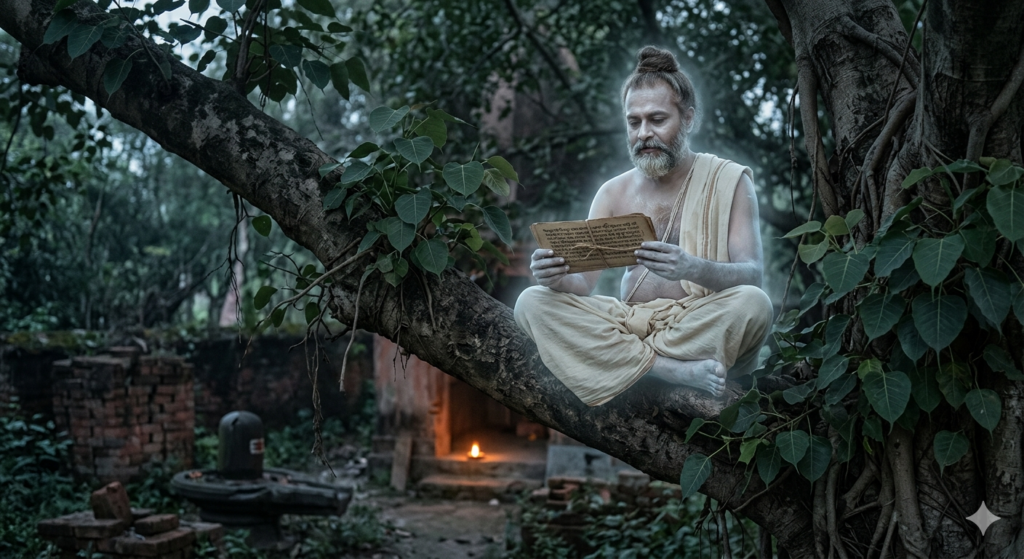
    Brohmodoityo – A brohmodoityo is the ghost of a brahmin, though some sites claim that it is the spirit of a dead brahmin priest. These ghosts are usually benevolent, with dhoti, chadar and sacred thread being their distinguishing features. They are said to prefer residing in Bael trees.

    Made with Gemini

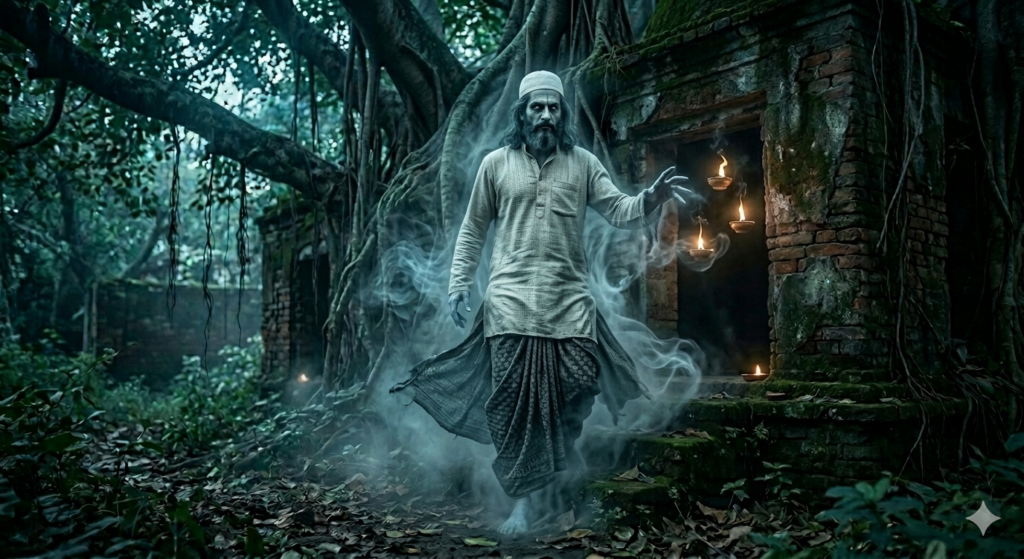
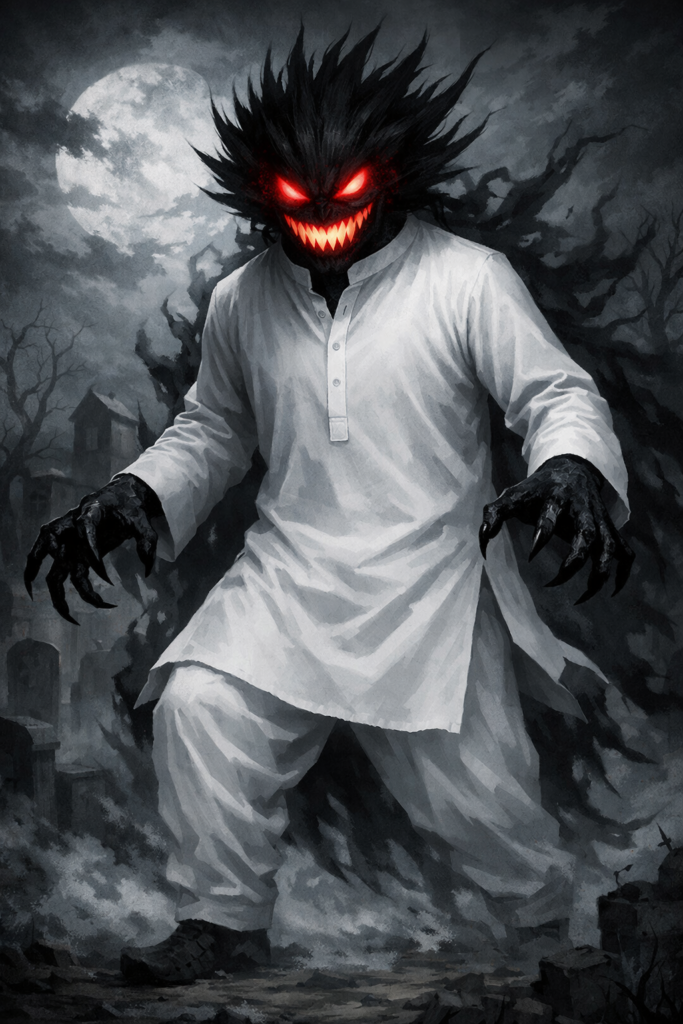
    Mamdo – This one is interesting in its etymology as well as context. A mamdo is the ghost of a Bengali Mulsim. The name itself is derived from “Mohammadiya”, meaning “follower of Mohammad”. The fact that ghosts of Muslims are classified separately, and are considered to be one of the most dangerous, is likely a result of Bengal’s complex history riddled with religious conflict and violence.

    Made with Gemini

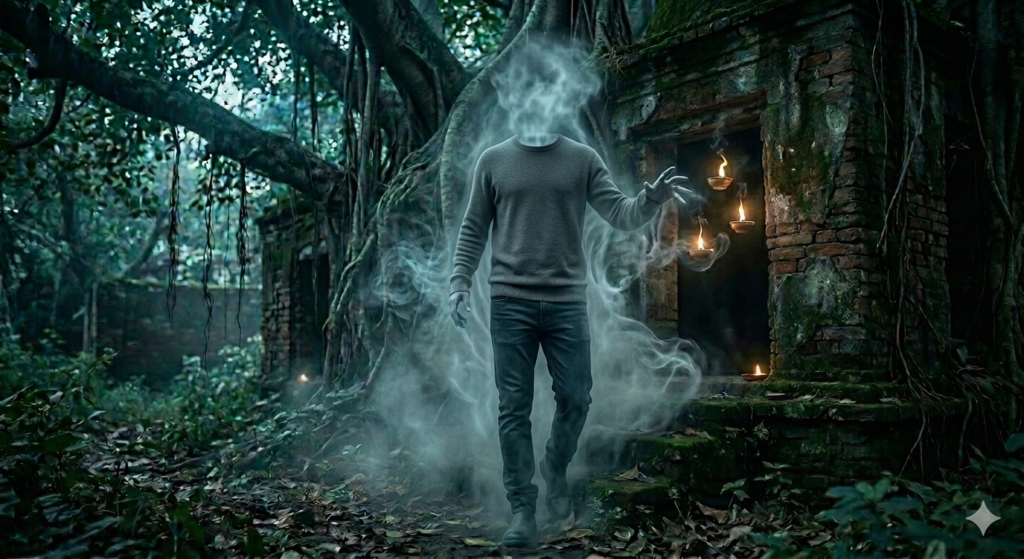
    Skondhokata – The skondhokata or kabandho is a headless ghost. Though this ghost’s legend stretches back to the Kabandha Rakshasha from the Ramayana, its most recent incarnations tend to be those who have lost their heads on railway tracks. So, they often haunt railway stations, though neither decapitation nor their haunting grounds are restricted to the railways.

    Made with ChatGPT

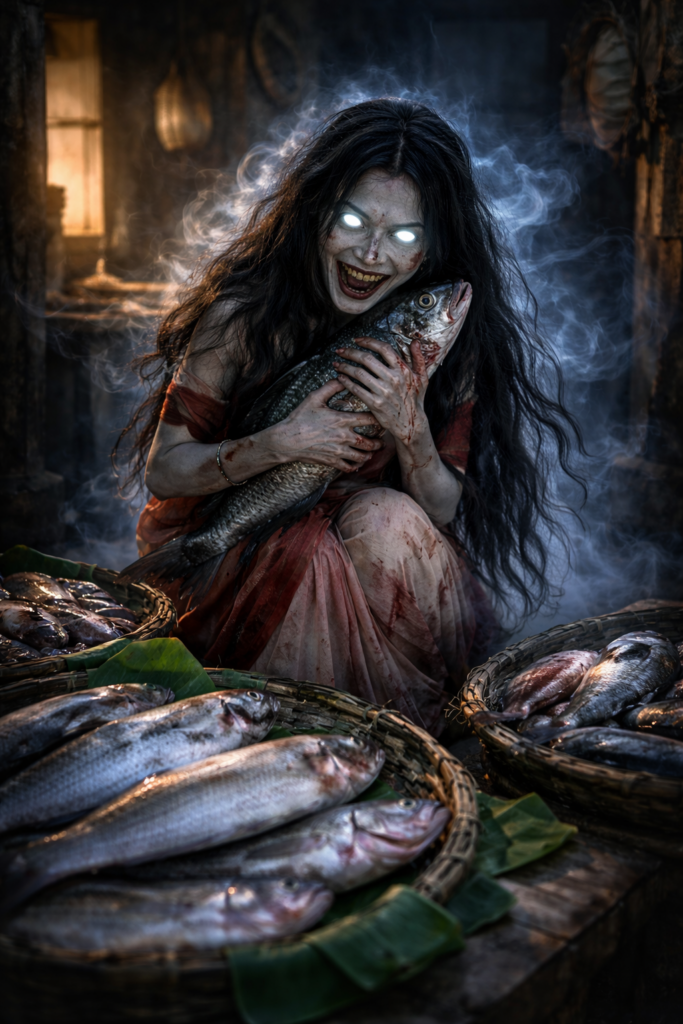
    Mechho Bhoot –These are fish-obsessed ghosts who haunt fishermen, fish sellers, or people who are travelling alone with purchased fish. They are reputed to ask for fish in exchange for safe passage or even steal fish from nearby kitchens. Believed to be the souls of those who’ve died while fishing, they are found near water bodies and are rooted in Bengal’s rural culture.

    Made with Gemini

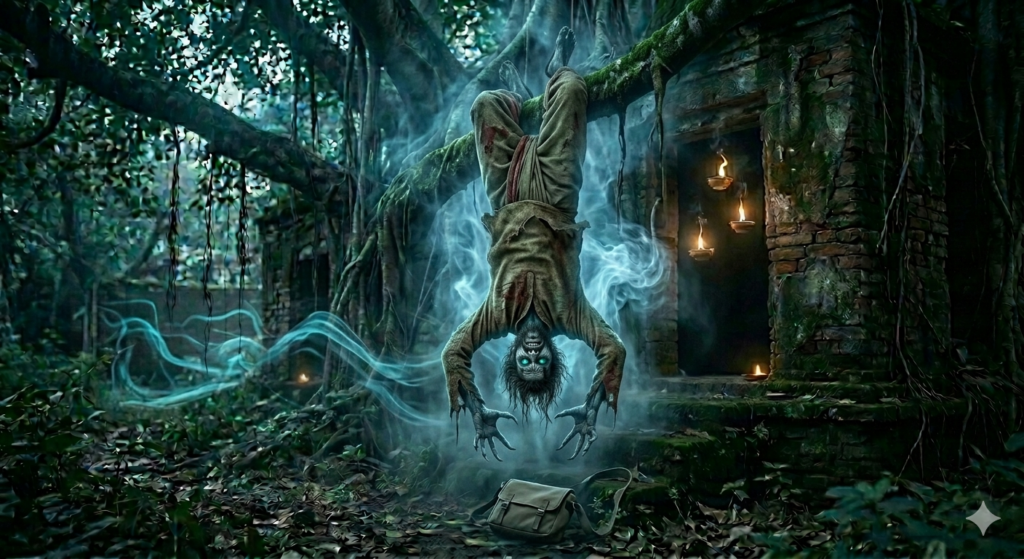
    Gechho Bhoot – Though many types of ghosts prefer to reside in trees, this ghost’s specialty is in not just living (metaphorically speaking) in trees but in attacking using them. Often living in packs, these highly malevolent ghosts hang upside down from branches, lying in wait for their victims. They grab solitary travellers at night and twist their necks to kill them.

    Made with ChatGPT

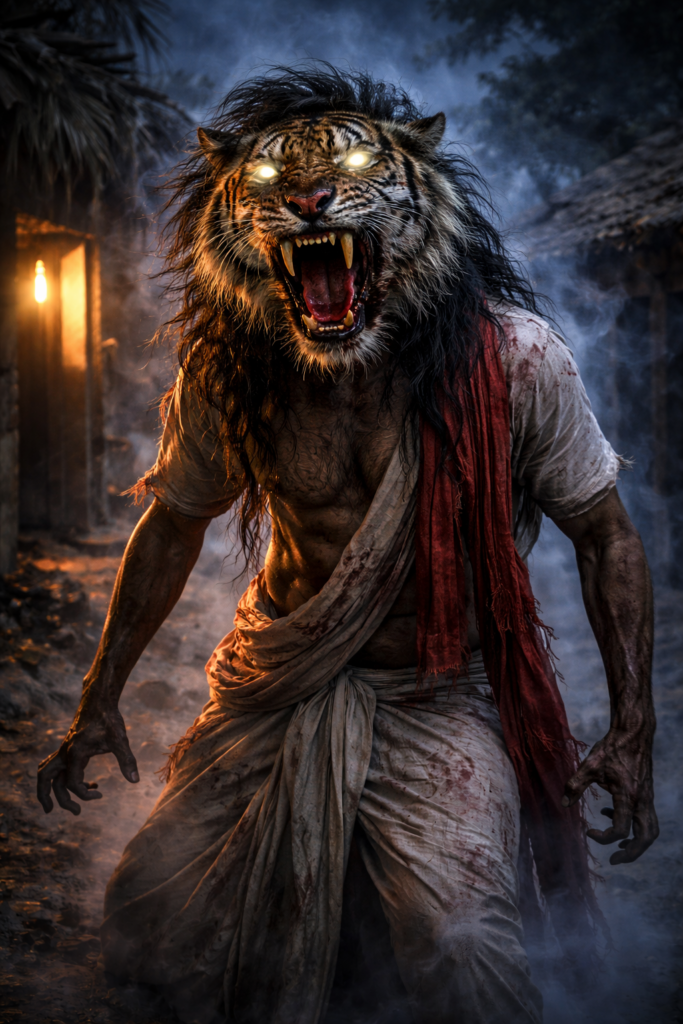
    Begho Bhoot – This ghost is a product of the Sunderbans where many villagers are killed by tigers in the forests. Ironically, they roar like tigers to scare villagers and lure them into the forests to be killed by tigers.

    Made with Gemini

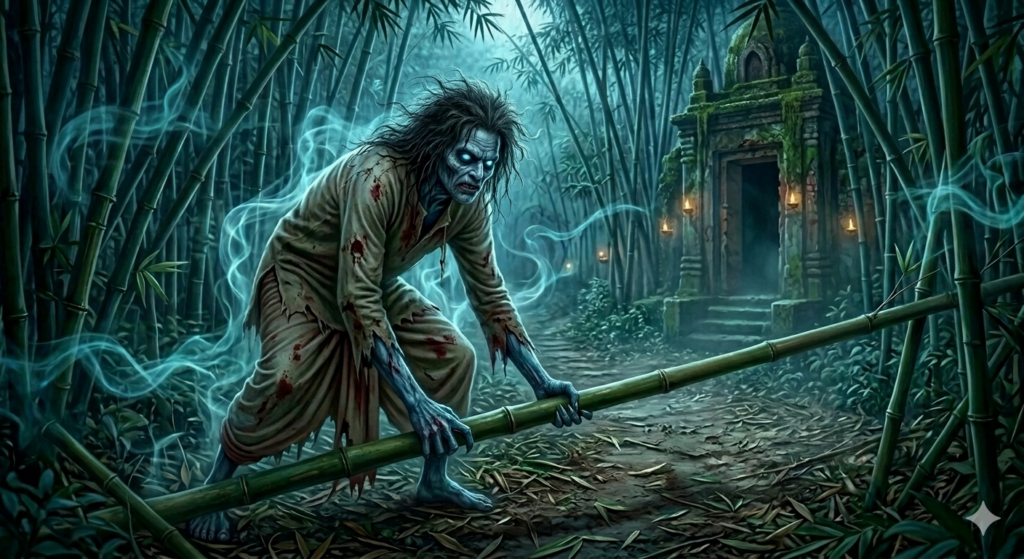
    Besho Bhoot – Another ghost defined by its habitat, the besho bhoot lives in bamboo groves (the word “besho” comes from “baansh” meaning bamboo). Like their tree-dwelling counterparts, they are also malevolent and lie in wait for travellers. This is why legends ask one to avoid stepping over a bamboo leaning too close to the ground and to instead walk around it, lest the besho bhoot uses the bamboo to impale one.

    Made with ChatGPT

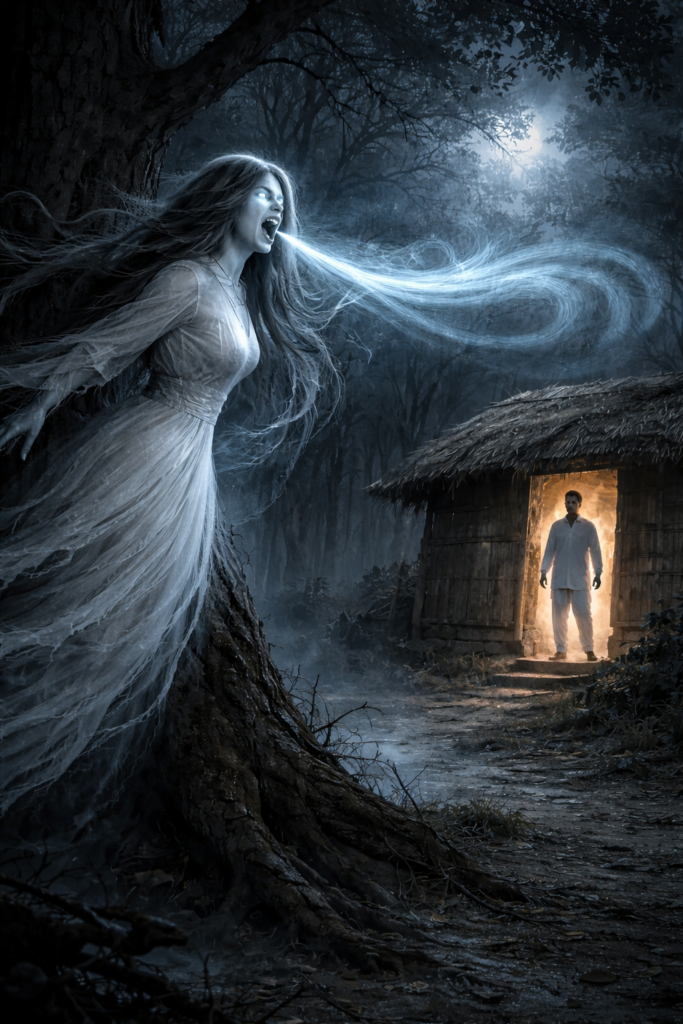
    Nishi – The nishi (literally meaning “night”) is a malevolent spirit that calls to people imitating voices of loved ones to come out from the safety of their homes. People cannot resist this “daak” or call and are thus lured to their death.

    Made with Gemini

    Aleya – One of the few counterparts of supernatural elements found in Western myths and legends, the aleya is a light that misleads travellers and fishermen, luring them into marshes. It is similar to the will-o’-the-wisp, and another ghost whose origins can be traced to the Sunderbans. It is also one of the few ghosts that have captured the romantic imaginations of poets and finds a place in songs and poems.

    Made with ChatGPT

    Boba – This is less a ghost than a personification of a phenomenon many of us have experienced while sleeping: sleep paralysis. A boba is said to sit on its victim and strangle them, making it impossible for them to either move or speak. It is similar to the Western Old Hag. As someone with personal experience of sleep paralysis, I can testify to how terrifying it is and why people in olden times have felt compelled to ascribe the phenomenon to supernatural reasons.

    Made with ChatGPT

    Pishach – The last one in the list is one of the most dangerous and malevolent spirits. It is the spirit of an evil person who takes over an uncremated body, giving rise to a terrifyingly murderous supernatural being. It is said to be able to take any form, change its size, and even become invisible. This is said to be why bodies are meant to be guarded until they are cremated. PS: You will encounter a particularly exciting pishach in Ageless Feud, and Manik tackles it in one of the first fight sequences of the book. So, if your curiosity has been aroused, go and grab a copy.

    There are many other types of supernatural entities in Bengali folklore and stories, and maybe someday I will write about the non-ghost ones. Ghosts, one must remember, are created by unfulfilled desires, violent ends, and unfinished business. They are both a warning and a hope that there is something beyond death, at least for those whom the idea of death being complete dissolution is a scary one.

    Often born from Bengal’s rural and agrarian culture and history, these ghosts have intrigued storytellers and writers for centuries, resulting in ghost stories being one of the most popular genres in Bengali literature. Have you encountered any of these stories? If you did, tell me in the comments what kind of ghost and what kind of story it was. For now, I wish you a Good Night, and may no disembodied spirits stalk your footsteps in the dark!

    #AtoZChallenge

    #BlogchatterA2Z

    #Kolkata

    #cityofkaali

    #ghostsofbengal

    This post is a part of BlogchatterA2Z Challenge 2026